Plants
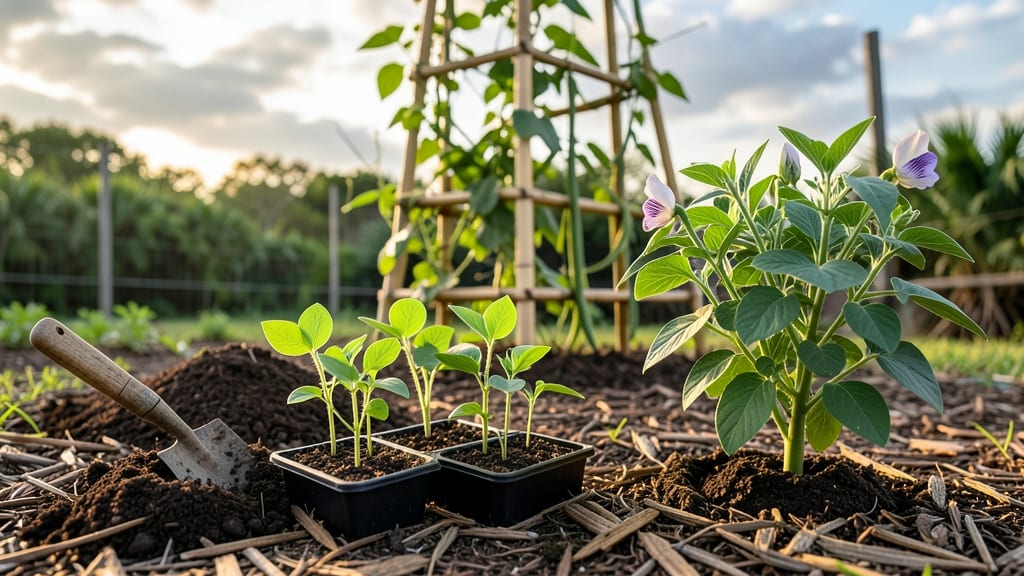
Timing your bean planting in Florida can mean the difference between a bountiful harvest and bitter, underwhelming pods. The state’s unique climate—with its long, hot summers and mild winters—lets you grow beans almost year-round, but knowing the exact window for each variety is key.
Whether you’re growing heat-loving varieties like Scarlet Runner or classic bush beans, planting too early or late can leave your plants struggling. I’ll break down the perfect months for Florida’s North, Central, and South regions, so you can avoid common mistakes and maximize your garden’s potential.
From soil temperature checks to adjusting for summer heat, this guide covers everything you need to know. Let’s get your beans off to the best start possible—because in Florida, the growing season never really stops.
Ready to turn your garden into a bean-producing powerhouse? Let’s dive into the timing secrets that’ll have you harvesting fresh pods all season long.
Optimal planting windows for beans in Florida’s climate zones
Florida’s diverse climate zones—from North Florida’s cooler winters to South Florida’s year-round warmth—create unique planting opportunities for beans. Unlike northern states, Florida gardeners can grow beans in both spring and fall, with summer varieties thriving in heat-tolerant types.
The key is aligning planting with soil temperatures (ideal: 65–85°F) and avoiding extreme heat or frost.
Most of Florida falls within USDA Zones 8–10, meaning frost is rare but possible in North Florida’s Panhandle (Zone 8a). In these areas, spring planting begins after the last frost date (typically mid-March to early April), while fall planting wraps up by mid-September to avoid winter chill.
South Florida (Zones 10–11) enjoys year-round planting, but summer heat demands heat-tolerant varieties.
Here’s how to time your plantings by region for maximum pod production and sweet flavor:
| Region | Climate Zone | Spring Planting Window | Fall Planting Window | Summer Notes |
|---|---|---|---|---|
| North Florida (Panhandle) | 8a–9a | Mid-March to April 15 | Mid-Sept to Oct 1 | Use heat-tolerant varieties after May 15 |
| Central Florida | 9a–9b | Feb 15 to March 30 | Aug 15 to Sept 30 | Avoid June–July (extreme heat) |
| South Florida | 10a–11 | Year-round (best: Jan–March) | Year-round (best: Aug–Oct) | Plant every 2 weeks for continuous harvest |
For spring plantings, wait until soil temperatures reach 65°F+ to prevent cold soil shock, which stunts growth. Test with a soil thermometer or plant when daytime temps consistently stay above 70°F. In North Florida, this often means delaying until late March or April.
Fall plantings are trickier in Florida because hurricane season (June–November) can disrupt young plants. Aim to harvest before October’s storms by choosing fast-maturing varieties (50–60 days to harvest). In South Florida, you can extend fall plantings into November if using row covers for light protection.
Summer planting is all about heat tolerance. Traditional varieties like Green Bean may struggle in 90°F+ temps, but Cowpeas and Scarlet Runners thrive. Plant these in June–July for a late-summer harvest before fall rains increase fungal risks.
Pro tip: Use black plastic mulch in summer to raise soil temps by 5–10°F, helping beans establish faster. This is especially useful in Central Florida’s transitional zones where heat waves can be unpredictable.
Always check local frost dates via the Florida Climate Center or Almanac for your county, as microclimates (like coastal vs. inland) can shift planting by 2–4 weeks. For example, Tallahassee (Zone 8a) may need earlier spring plantings than Orlando (Zone 9b).
🌱
Optimal planting windows for beans in Florida’s climate zones
Florida’s climate varies dramatically from North to South, creating distinct planting windows for beans. In North Florida (Zones 8a-8b), where cooler temperatures linger, aim for early March to April and September to October for fall harvests.
The last frost typically occurs by mid-March, but beans thrive best when soil warms to 65°F+.
Central Florida (Zones 9a-9b) enjoys a longer growing season, allowing beans to be planted year-round with caution. Start in late February to March for spring crops and August to September for fall. Avoid planting during peak summer heat (June-July), as temperatures above 90°F stress most varieties.
South Florida (Zones 10a-11) offers year-round planting opportunities, but timing matters for flavor and yield. Winter beans (January-February) benefit from cooler temps, while summer varieties (August-September) handle humidity better. Heat-tolerant types like Scarlet Runner can even be sown in late spring.
| Region | Best Planting Windows | Avoid Planting | Soil Temp Goal |
|---|---|---|---|
| North Florida | Early March–April, Sept–Oct | May–June (heat stress) | 65°F+ |
| Central Florida | Late Feb–March, Aug–Sept | June–July (peak heat) | 70°F+ |
| South Florida | Jan–Feb, Aug–Sept (year-round possible) | April–May (extreme heat) | 75°F+ |
For pole beans, which take longer to mature, plant 4–6 weeks earlier than bush beans. In North Florida, this means starting pole beans in February for a summer harvest. Succession planting every 2 weeks ensures a steady supply of fresh pods throughout the season.
Use shade cloth (30–50%) during late spring in hotter regions to protect young seedlings from intense sun. This trick extends the planting window by 2–3 weeks in Central and South Florida, allowing for earlier spring harvests without risking seedling stress.
Always check local frost dates via the Florida Climate Center for real-time updates, as microclimates (like coastal areas) can shift ideal planting times by 1–2 weeks. Adjust for hurricane season (June–Nov) by avoiding late-summer plantings in flood-prone zones.