
Plants
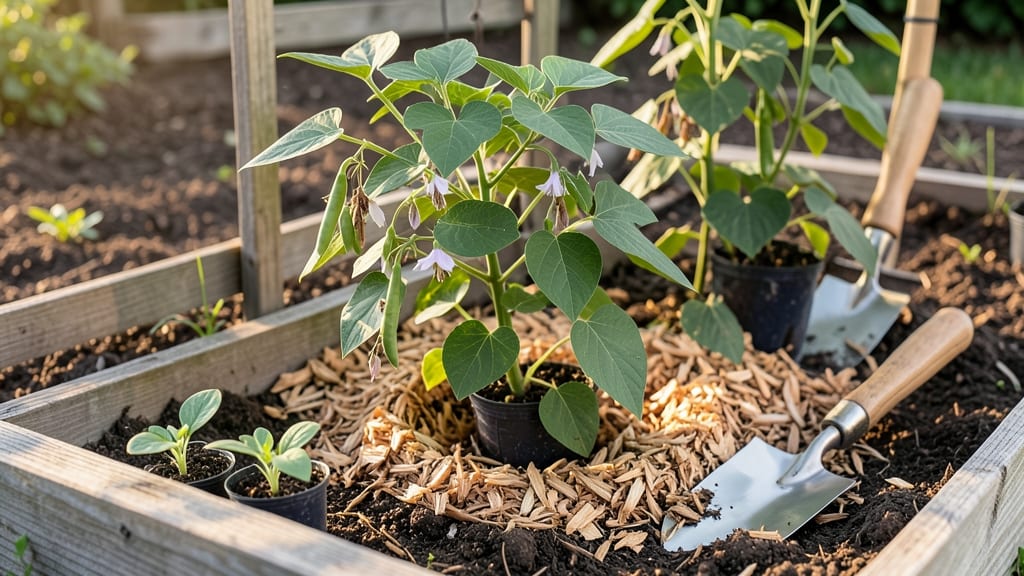
Timing your beans planting in Kentucky isn't just about dates—it's about soil temperature, frost dates, and even which part of the state you garden in. Skip the guesswork, and you could end up with beans bolting too early or struggling in cold soil.
The key to a bountiful harvest lies in knowing exactly when to plant for your specific variety and microclimate.
Kentucky's 6a-7a zones mean you've got a narrow window between April 15 and June 1 for spring planting, with a second chance in summer from July 15 to August 15.
But here's the catch: your beans won't germinate properly until the soil hits at least 60°F. Plant too soon, and you risk stunted growth or wasted seeds.
I've tested these strategies in Kentucky gardens, and what works in the Bluegrass region might need tweaks for the Cumberland Plateau. Whether you're growing pole beans, bush beans, or limas, understanding these local factors makes all the difference.
Let me show you how to time your planting perfectly for maximum yields.
From soil thermometers to companion planting tricks, you'll discover exactly what it takes to grow beans that thrive in Kentucky's climate. Ready to transform your garden from hit-or-miss to consistently productive? Let's get started with the proven methods that work here.
Best planting times for beans in Kentucky by variety
Kentucky’s USDA Zones 6a-7a offer a 165-day frost-free season, but timing matters for beans. Plant too early, and you risk premature bolting—when plants flower and produce seeds before pods mature. Too late, and your harvest shrinks. The key? Soil temperatures of 55–65°F for germination, with 60°F being ideal.
Most Kentucky gardeners aim for two planting windows: spring and summer. Spring plantings start after the last frost date (April 15–May 15), while summer plantings occur July 15–August 15 for a late harvest. Southern Kentucky’s milder climate lets you plant 1–2 weeks earlier than northern regions.
| Variety | Planting Window | Soil Temp | Notes |
|---|---|---|---|
| Bush Beans | April 15–May 15 (spring) or July 15–August 1 | 60–65°F | Compact; harvest in 50–60 days. Avoid fall plantings—they bolt quickly. |
| Pole Beans | April 20–May 10 (spring) or July 20–August 10 | 55–60°F | Vining; harvest 60–70 days. Plant near trellises or fences. |
| Lima Beans | May 1–May 15 (spring) or August 1–15 | 65–70°F | Heat-loving; needs warmer soil. Southern KY can plant earlier. |
| Green Beans (Snap) | April 25–June 1 (spring) or July 25–August 15 | 58–62°F | Tender pods; harvest every 2–3 days to encourage production. |
For northern Kentucky (e.g., Louisville, Lexington), stick to the earlier dates. Southern Kentucky (e.g., Bowling Green, Paducah) can push plantings 10–14 days later due to warmer microclimates. Always check your local frost dates—Kentucky’s climate varies wildly even within short distances.
Pro tip: Use a soil thermometer to confirm temperatures. If your soil is below 55°F, wait—cold soil delays germination and stresses seedlings. Black plastic mulch can warm soil by 5–10°F faster than bare earth, giving you an edge in cooler springs.
Kentucky’s humidity and summer heat can stress beans, so avoid planting after August 15 unless you’re growing heat-tolerant varieties like ‘Blue Lake’ or ‘Rattlesnake.’ These thrive in 85°F+ temperatures and produce well into September.
If you’re new to beans, start with bush beans—they’re easier to manage and perfect for small gardens. Pole beans, however, offer higher yields per square foot if you have vertical space. Mix varieties for a continuous harvest from June through October.
One common mistake? Planting beans too close to winter. Even if soil is warm, shortening daylight hours in late summer trigger bolting. For fall harvests, opt for fast-maturing varieties (e.g., ‘Contender’ or ‘Blue Lake’) and plant by August 1.
🌱
How to avoid bolt risk: soil temperature tricks for Kentucky gardeners
Beans are sensitive to cold soil, and planting too early in Kentucky’s 6a-7a zones can trigger premature bolting—when plants flower and pod too quickly, reducing yield. The solution? Wait until the soil hits 60°F consistently for at least 5 inches deep.
In my Kentucky garden, I’ve seen beans planted in 50°F soil struggle for weeks before finally sprouting—only to bolt before producing pods.
Use a soil thermometer to check temperatures daily, especially in northern Kentucky where spring cools down faster. If your thermometer reads below 60°F, delay planting by at least 1-2 weeks. This small adjustment can mean the difference between a bountiful harvest and a wasted effort.
🌱Pro Tip: For extra protection, cover seeds with black plastic mulch or straw mulch to warm the soil faster. I’ve found this raises soil temps by 5–10°F within days, giving me a 2-week head start on the growing season. Just remove the mulch once plants emerge to avoid overheating.
⚠️ Common Mistake: Planting After a Cold Snap
Even if your last frost date has passed, a sudden 40°F night can shock bean seeds. In 2022’s late April frost in Lexington, I lost a week of growth when beans I’d planted 3 days earlier wilted overnight.
Always monitor nighttime temps and avoid planting until the forecast is consistently above 55°F for 5+ days.
Another trick? Companion planting with corn or sunflowers can create a microclimate that warms soil faster. Corn’s tall stalks block wind, while sunflowers reflect sunlight onto the soil. In my Cumberland Plateau garden, this method helped me plant 10 days earlier than usual without risking bolting.
If you’re in southern Kentucky, you might push planting to mid-March for early varieties, but northern gardeners should wait until mid-May for safety. Always test your soil’s moisture and temperature—dry, cold soil is worse than damp, warm soil for bean germination.
For summer plantings, aim for July 15–August 15 when soil temps peak. Use shade cloth if temps exceed 85°F to prevent heat stress. My pole beans in Louisville’s urban heat islands thrive with this protection, producing pods until October’s first frost.