
Plants
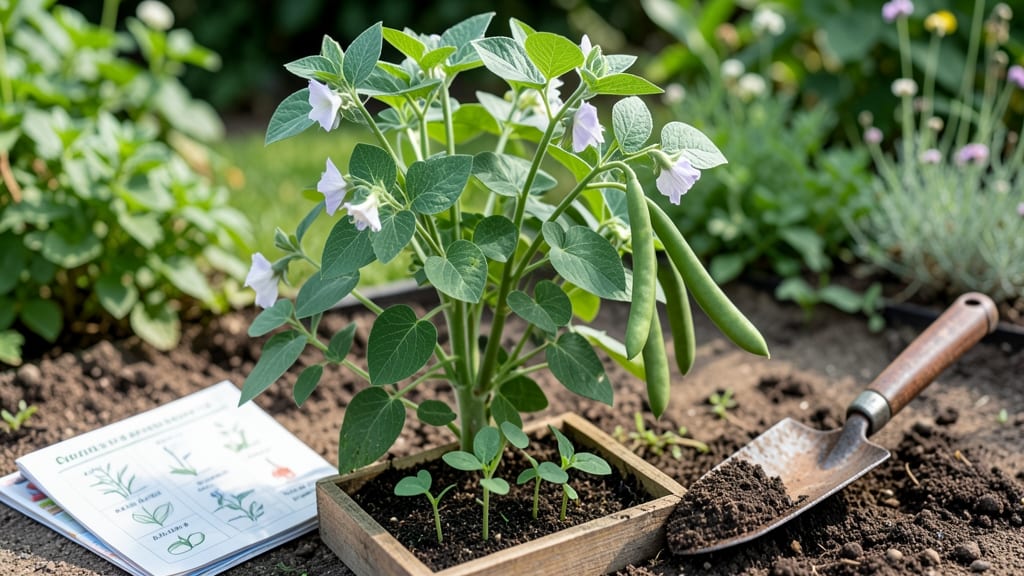
Timing your bean planting in Wisconsin can mean the difference between a thriving harvest and wasted seeds. The key to fast germination and strong growth lies in waiting for that perfect soil temperature—usually when the ground warms to at least 60°F after the last frost.
For Wisconsin gardeners in zones 4a-6b, that typically means planting 🌱 beans between mid-April and early June for a summer harvest, or late July to early August for a fall crop.
But don't rush—cold soil can delay sprouting or even rot your seeds before they have a chance to grow.
I've learned the hard way that patience pays off when it comes to beans. Planting too early might leave your seeds sitting in damp, chilly soil for weeks, while waiting just a little longer ensures those little seeds pop up in 5-10 days and start climbing toward the sun.
Ready to grow your best bean crop yet? Let's dive into exactly how to time your planting for Wisconsin's climate, from testing soil warmth to choosing the right varieties for your region's short growing season.
Wisconsin bean planting timeline based on soil temperature
Beans are sensitive to cold soil, so timing your planting based on soil temperature—not just air temperature—is critical in Wisconsin’s USDA Zones 3-5. Seeds won’t germinate until the soil reaches 60°F (15°C), and planting too early can lead to rot or stunted growth.
In most of Wisconsin, this typically aligns with late May to early June, but northern regions may need to wait until mid-June.
For a second harvest, you can plant a fall crop in late July to early August. These beans mature quickly—often in 50-60 days—so they’ll be ready before Wisconsin’s first frost (usually mid-October in the north and early November in the south).
This strategy maximizes your yield and extends your fresh bean supply.
Wisconsin’s unpredictable spring weather can throw off planting schedules. A late frost in May or a cold snap in June might delay your ideal window. That’s why soil temperature monitoring is your best friend.
Use a soil thermometer (available for under $15) to check warmth at a depth of 2 inches—the depth where bean seeds are planted.
If you’re eager to start earlier, consider cold frames or row covers to warm the soil faster. These tools can shave off 1-2 weeks from your planting timeline, giving you a head start on the season. Just remember: never plant before the soil hits 60°F, even with protective coverings.
Here’s a quick Wisconsin bean planting timeline based on soil temperature and frost dates:
| Stage | Action | Soil Temp | Wisconsin Window |
|---|---|---|---|
| Prep Beds | Add compost, loosen soil | N/A | April - Early May |
| Test Soil | Use thermometer (2" deep) | 60°F+ | Late May - Early June |
| Plant Seeds | 1" deep, 3-4" apart | 60°F+ | Late May - Early June |
| Germination | Keep soil moist | 60-70°F | 7-14 days |
| Second Planting | For fall harvest | 60°F+ | Late July - Early Aug |
| Harvest | Pick pods at peak firmness | N/A | July - October |
For northern Wisconsin (Zones 3-4), aim for late May to early June planting. In southern Wisconsin (Zones 5-6), you can start as early as mid-May, but always confirm soil warmth. Pro tip: Plant a test row a week before your target date to gauge germination success.
If you’re growing pole beans, which take longer to mature, prioritize the earlier planting window. Bush beans, which mature faster (50 days vs. 60+ days for pole beans), give you more flexibility for succession planting later in the season.
Wisconsin’s short growing season means every day counts. By aligning your planting with soil temperature triggers and regional frost dates, you’ll avoid common pitfalls like seed rot or premature frost damage. With the right timing, you could enjoy three harvests in one season—spring, summer, and fall!
For extra insurance, keep an eye on the Wisconsin State Climatology Office or local UW Extension reports. These resources provide real-time frost predictions and soil temperature updates tailored to your specific county. 🌱
Wisconsin bean planting timeline based on soil temperature
Wisconsin’s USDA Zones 3-5 mean beans need precise timing—soil temperatures below 50°F will stall germination, while waiting too long risks late-season frosts. The ideal window spans mid-April to early June for spring plantings, but soil warmth is the real trigger, not just calendar dates.
Beans germinate best when soil reaches 60-65°F, a threshold often hit 2-4 weeks after Wisconsin’s last frost.
In southern WI (Zone 5), this could be late April, while northern WI (Zone 3) may wait until early May. Fall plantings work too—sow seeds by late July for a September harvest before frost.
Here’s how Wisconsin’s planting timeline breaks down by soil temperature and frost risk:
| Stage | Soil Temp | Wisconsin Window | Action |
|---|---|---|---|
| Pre-Planting | Below 50°F | Early April | Test soil warmth; prepare beds |
| Optimal Planting | 60-65°F | Mid-April to early June | Sow seeds 1" deep, 3-4" apart |
| Frost Watch | Above 55°F | Late May | Use row covers if frost predicted |
| Fall Planting | 60-65°F | Late July to early August | Sow for September harvest |
For early varieties like ‘Tendergreen’, plant as soon as soil hits 55°F—they tolerate cooler temps better. Late-season varieties (e.g., ‘Kentucky Wonder’) need warmer soil (65°F+) and should wait until late May to avoid frost damage.
Wisconsin’s unpredictable spring weather means flexibility is key. If a cold snap hits after planting, use row covers or wait until soil warms again. Succession planting every 2 weeks ensures a steady harvest through summer.
Pro tip: Check the Wisconsin State Climatology Office for 7-day soil forecasts—this helps adjust planting dates for late frosts or heatwaves. Pole beans planted in late July can even produce into October if protected from early frosts.