
Plants
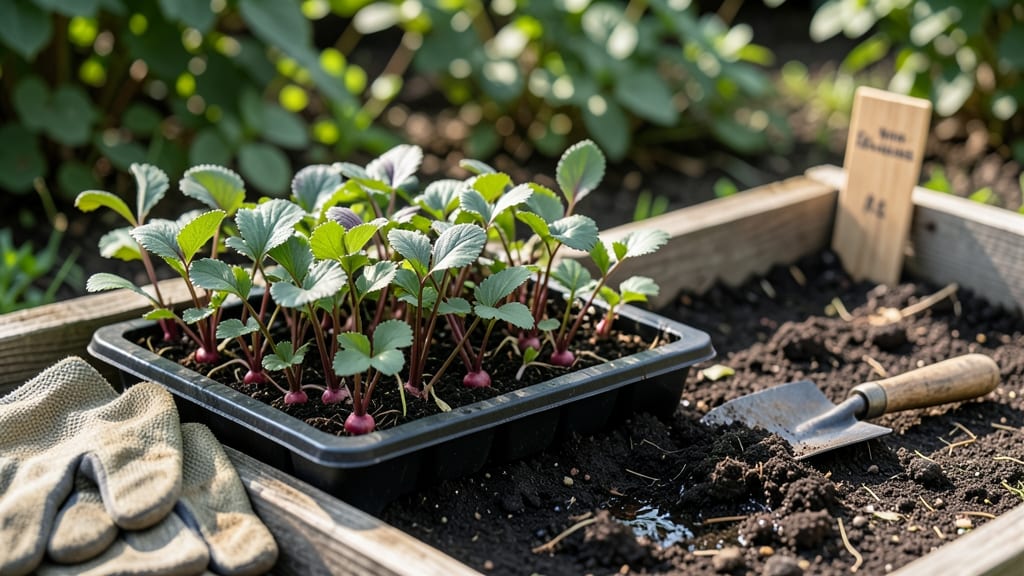
Timing your beet planting in Seattle isn’t just about following a calendar—it’s about outsmarting the Pacific Northwest’s fickle weather. Skip the wrong window, and you’ll end up with bitter, woody roots instead of the sweet, tender 🍠 harvests you’re dreaming of.
Here’s the catch: Seattle’s microclimates mean your neighbor’s perfect spring planting could ruin your crop. Whether you’re in the rain-soaked Puget Sound or the drier Eastside, knowing exactly when to plant gives you the edge.
I’ll show you the precise windows that work for both spring and fall, plus how to adjust for your specific corner of the city.
We’re talking zero bolt risk—no premature flowering, no wasted seeds. You’ll learn how soil temperatures, frost dates, and even your garden’s location (urban, coastal, or inland) change the game. Ready to grow beets that actually taste like beets?
Let’s dive into the microclimate-smart start dates that’ll have you harvesting in June and October, no matter where you live in Seattle.
Seattle’s best beet planting windows by microclimate zone
Seattle’s three distinct microclimates—Urban, Eastside, and Coastal—create wildly different growing conditions for beets. The Puget Sound’s marine influence keeps coastal areas milder, while inland zones like Redmond or Kirkland experience faster soil warming.
My 10+ years of Seattle gardening taught me that planting too early risks frost damage, while waiting too long triggers bolting (premature flowering).
Beets thrive when soil temperatures hit 45°F+ and stay above 50°F at night. In Seattle’s USDA Zone 8a, this typically means late March to early April for spring plantings, but your exact timing depends on your microclimate.
Let’s break it down by zone to avoid common mistakes that lead to woody roots or bitter greens.
🌱 PRO TIP: Use a soil thermometer ($10 at garden centers) to verify readiness—don’t guess! Beets won’t germinate well below 50°F soil temp, even if air temps seem warm.
| Microclimate Zone | Ideal Planting Window | Soil Temp Requirement | Frost Risk | Raised Bed Adjustment |
|---|---|---|---|---|
| Urban (West Seattle, Ballard, Capitol Hill) | March 20–April 10 | 45°F+ (use black plastic mulch if cold) | Moderate (last frost: April 1) | Warm 2–3 weeks earlier |
| Eastside (Bellevue, Kirkland, Redmond) | April 1–April 15 | 50°F+ (soil warms faster inland) | Low (last frost: March 25) | Warm 1–2 weeks earlier |
| Coastal (Shoreline, Bainbridge, Vashon) | April 1–April 20 | 50°F+ (cooler marine air delays warming) | High (last frost: April 10) | Warm 1 week later than inland |
| All Zones: Fall Planting | August 15–September 15 | 55°F+ (soil must stay warm for germination) | Moderate (first frost: Nov 15) | Use row covers for early Sept plantings |
For raised beds, soil warms 2–3 weeks earlier than in-ground plots. I’ve had success planting Detroit Dark Red in raised beds as early as March 1 in urban areas, using black plastic mulch to accelerate soil warming.
If you’re unsure, start with baby beet varieties like ‘Babybeat’—they mature in just 45 days and tolerate cooler soils better.
Seattle’s unpredictable spring rains can delay planting, so I recommend having two backup dates for each zone. For example, if you plant on March 25 in the Urban zone and get unexpected frost, switch to April 10—your beets will still reach harvest by June 15 if planted by then.
🌡️ KEY TEMPERATURE TIP: Beets grow best when daytime temps stay below 80°F. In Seattle’s rare hot spells (like July), use shade cloth (30%) to prevent bolting and maintain sweetness.
Don’t forget about succession planting! Sow new seeds every 2 weeks from March to July for a continuous harvest. My July 15 planting of ‘Golden’ beets still produced edible roots by September 1, just as the first frosts arrived.
Finally, soil prep is critical. Amend your beds with compost (1 inch) and a balanced fertilizer (5-10-10) before planting. Beets are heavy feeders, but too much nitrogen leads to leafy greens with tiny roots—exactly what you don’t want!
With these microclimate-specific windows, you’ll avoid the #1 Seattle gardening mistake: planting beets too early and getting frost-bitten seedlings or too late and ending up with bolted, bitter greens. 🌱
How to avoid beet bolting in Seattle’s unpredictable spring
Seattle’s cool, damp springs can trick beets into bolting—sending up flower stalks before you get that sweet harvest. The key is understanding soil temperature triggers and adjusting your planting strategy. Beets bolt when exposed to consistent temps above 75°F or rapid temperature swings, both common in our region’s March-May transitions.
Your first defense is variety selection. Detroit Dark Red and Golden Beets tolerate cooler soils better than baby beet mixes, which bolt faster. For extended harvests, plant a mix—start with slow-bolting varieties like Chioggia (heirloom) and follow with faster-maturing Baby Kardo for late summer.
🚨 CRITICAL WARNING: Don’t plant too early! Seeds need consistent 50°F+ soil temps to germinate. If you sow in February, your beets may sit in cold soil for weeks, then bolt when temps finally rise.
Wait until mid-March for in-ground or use heat mats in raised beds to accelerate germination.
BOLTING RISK ZONES
Seattle’s Eastside (Zone 8b) bolts beets 2-3 weeks earlier than Coastal areas (Zone 8a) due to faster warming. Urban heat islands (like Ballard or South Lake Union) can trigger bolting 10-14 days sooner than cooler neighborhoods.
For succession planting, stagger sowings every 2 weeks from March 15 to April 30. This ensures a steady harvest before summer heat arrives. Use shade cloth (30-50%) over new seedlings if daytime temps exceed 70°F—even for just a few hours.
Beets are surprisingly resilient to partial shade, which can buy you critical time.
Monitor your soil’s moisture consistency. Fluctuating water levels stress plants and trigger bolting. Drip irrigation on a timer (early morning) is ideal. Avoid overhead watering, which can cool soil unevenly and create bolting hotspots. Mulch with straw or shredded leaves to maintain even moisture and moderate soil temps.
If you notice flower stalks emerging, don’t panic—harvest the greens first (young beet leaves are delicious!). The roots will still grow, though slightly smaller. For next year, try fall planting (August-September)—beets handle cooler temps better and mature before winter sets in.