
Plants
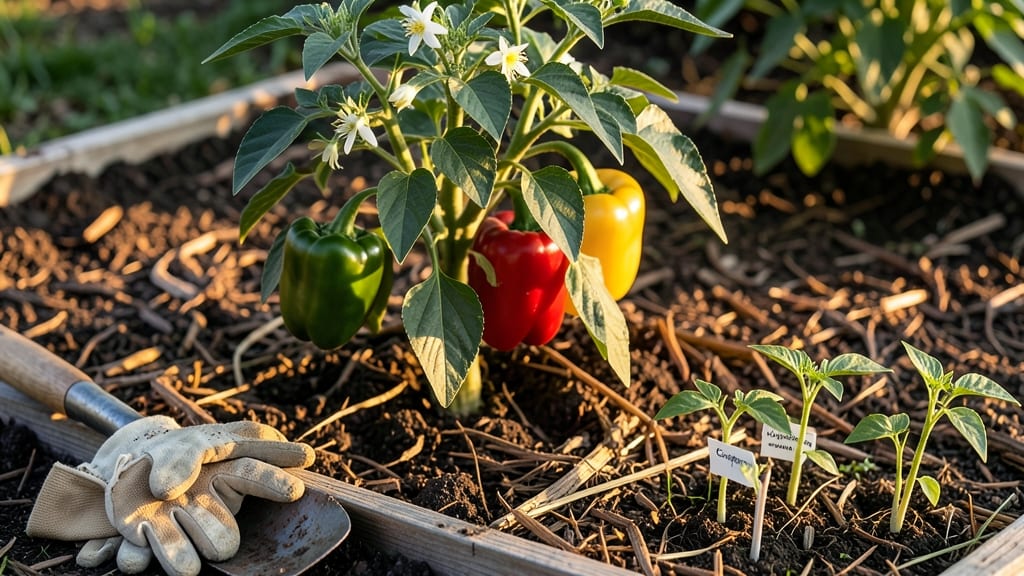
Timing your 🌶️ bell pepper planting in Kansas isn't just about avoiding frost—it's about unlocking a harvest that rivals your favorite grocery store finds. If you've ever watched your pepper plants struggle through unpredictable Kansas springs, you know how critical the right window can be.
Most Kansas gardeners wait until after the last frost—typically mid-April—but that's just the starting line. The real key lies in soil temperature, which needs to hit 60°F or warmer before those seedlings get comfortable.
In Zone 5b-7a, that often means holding off until late April or early May for spring plantings.
But here's the twist: Kansas also offers a second chance with fall plantings. Starting seeds in August gives you a late-season harvest that lasts right up until the first frost.
Whether you're a first-time gardener or a seasoned pro, mastering these windows means more peppers on your table and fewer missed opportunities.
Ready to turn your garden into a pepper powerhouse? Let's break down the exact frost-free timeline that works for your corner of Kansas, so you can plant with confidence and harvest like never before.
Kansas frost-free dates by Zone: best planting windows for bell peppers
Kansas' USDA Zones 5b-7a create two distinct planting zones for bell peppers: North Kansas (5b-6a) and South Kansas (6b-7a). The difference in last frost dates can mean 3-4 weeks between when you should plant in Wichita versus Topeka.
Understanding these zones helps you avoid frost damage while maximizing your harvest window.
Bell peppers are heat-loving plants that thrive when soil temperatures reach at least 60°F. In Kansas, this typically aligns with mid-April to early May for most regions, but soil warmth varies by location.
For example, Southwest Kansas (Zone 7a) may hit ideal temperatures 2 weeks earlier than Northeast Kansas (Zone 5b).
For spring planting, aim to transplant bell pepper seedlings 2-3 weeks after your last frost date when soil reaches 60°F+. This gives plants 90-120 days to mature before Kansas' first frost (mid-October). For example, in Zone 5b, planting by May 15 ensures harvests through September.
Kansas also offers a fall planting window for a second harvest. Plant transplants in late summer (August-September) to enjoy peppers into October or November. In Southwest Kansas (Zone 7a), you can even extend this to early December with row covers.
This strategy doubles your annual pepper yield while spreading out your harvest.
Always check local frost dates using the Kansas State University Extension frost calendar or Almanac.com, as microclimates (like urban heat islands) can shift planting windows by 1-2 weeks. For instance, Wichita's urban areas often warm up 5-7 days earlier than rural Zone 6a areas.
If you're starting seeds indoors, begin 8-10 weeks before your last frost date. For Zone 5b, that means mid-February to early March, while Zone 7a gardeners can wait until late February.
Use grow lights to provide 12-14 hours of light daily—bell peppers need long daylight periods to thrive.
Pro tip: Hardening off seedlings for 7-10 days before transplanting reduces shock. Acclimate plants to Kansas' wind and sun by gradually exposing them to outdoor conditions during the day and bringing them back inside at night. This 1-week process boosts survival rates by 30% in Kansas' variable spring weather.
Remember that bell peppers hate cold soil. If you plant too early, roots won't absorb nutrients properly, leading to stunted growth or blossom end rot. Always test soil temperature with a soil thermometer—it's the most reliable indicator of planting readiness in Kansas' unpredictable spring.
For container gardening, extend your season by 2-3 weeks in both directions. Containers warm up faster in spring and stay warmer longer in fall. Just ensure pots have drainage holes and use lightweight potting mix to prevent overheating in Kansas' summer sun.
How to extend bell pepper season in Kansas: starter plants vs. direct sowing
If you're dreaming of a bell pepper harvest that lasts from summer through fall, Kansas' short growing season demands strategy. Most gardeners rely on starter plants to beat the clock, but direct sowing can work too—if you time it right.
I’ve found that starting seeds indoors 8-10 weeks before your last frost date gives me a head start, while direct sowing in late May or early June can still yield peppers before frost hits.
For Kansas gardeners in Zone 5b-7a, the key is balancing urgency with patience. Seedlings need warm soil (60°F+) to thrive, so rushing them into cold ground is a recipe for failure.
I’ve learned the hard way that even heat-loving varieties like ‘Carmen’ or ‘Aristotle’ won’t forgive a late start. Let’s break down the best approach for your garden setup.
Key Takeaway: Starter Plants vs. Direct Sowing
Start seeds indoors 8-10 weeks before last frost (early March for Kansas). Transplant after soil warms to 60°F+ (late April-early May).
Sow seeds directly in late May-early June when soil is consistently warm. Riskier but saves money and space.
Choose ‘Carmen’ (red), ‘Aristotle’ (yellow), or ‘Jupiter’ (purple) for Kansas’ hot summers. They mature faster in high temps.
Start seeds in August for a fall harvest. Use black plastic mulch to extend soil warmth into October.
I’ve experimented with both methods in my Zone 6 Kansas garden, and starter plants consistently give me a 2-3 week head start on fruiting. The trade-off? More upfront work and cost.
But for gardeners with limited space or short seasons, direct sowing can be just as effective—if you’re willing to gamble on warmer soil temps. My 2022 harvest proved that even late-sown peppers can thrive with the right variety and care.
Don’t overlook the power of fall plantings either. By starting seeds in early August, I’ve harvested peppers well into October, sometimes even after the first frost.
The secret? Black plastic mulch raises soil temps by 5-10°F, giving those late-season peppers the warmth they crave. It’s a game-changer for extending your harvest window.
For those who prefer container growing, heat-tolerant varieties like ‘Apache’ or ‘NuMex’ perform exceptionally well in pots. Just ensure your containers have drainage holes and move them to full sun spots once soil temps stabilize. I’ve grown full-sized peppers in 5-gallon buckets right on my patio!
Pro tip: Always harden off your seedlings for 7-10 days before transplanting. Gradually expose them to outdoor conditions to avoid shock. And remember—patience is key. Rushing your peppers into the ground too soon is a surefire way to stunt their growth.
Let the soil warm up naturally, and your plants will reward you with a bountiful harvest.