
Plants
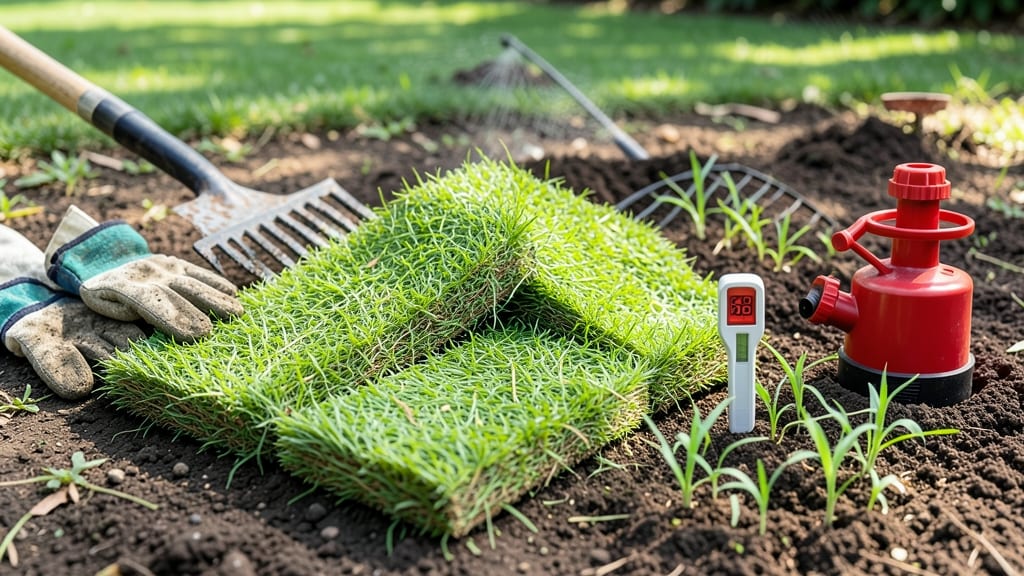
Timing your Bermuda grass 🌱 planting in Missouri isn’t just about following a calendar—it’s about outsmarting the state’s unpredictable spring frost and scorching summer heat. Plant too early, and you risk weak seedlings struggling with late frosts; too late, and your lawn might never fully recover from summer stress. The difference between a lush green carpet and a patchy disappointment often comes down to those critical 2-3 week windows in spring or fall.
Most Missouri gardeners swear by planting Bermuda grass between mid-April and late May, but here’s the catch: your exact timing depends on whether you’re in the cooler 5b zone of northern Missouri or the warmer 6b areas in the south.
Soil temperature—at least 65°F—is your real deadline, not just the date on your calendar. Ignore this, and you’ll be watering seedlings that never take root.
What you’ll discover in this guide is how to align your planting schedule with Missouri’s microclimates, from preparing your soil to recognizing the first signs of healthy growth. We’ll also cover the fall alternative (late August to early September) that many pros swear by for avoiding summer heat stress.
Whether you’re seeding or laying sod, these insights will help you skip the guesswork and get a lawn that thrives all season long.
The key to success? Patience and preparation. Bermuda grass isn’t a set-it-and-forget-it plant—it demands attention to soil, sunlight, and watering patterns. But when you get the timing right, you’ll have a lawn that’s not just green, but resilient enough to handle Missouri’s extremes.
Let’s break down exactly how to make that happen.
Optimal planting windows for Bermuda grass in Missouri (spring vs fall)
Timing your Bermuda grass planting in Missouri is critical—this warm-season grass thrives when soil temperatures consistently stay above 65°F (18°C). Planting too early risks frost damage, while waiting too long can leave your lawn vulnerable to weeds and summer heat stress.
Let’s break down the ideal windows for both spring and fall planting, tailored to Missouri’s unique climate zones.
Missouri spans USDA Zones 5b-6b, meaning northern areas (like St. Louis) have later frost dates than southern regions (like Springfield). For northern Missouri, aim for mid-April to late May for spring planting, while southern Missouri can start as early as late March.
Fall planting is less common but works in late August to early September for a head start on next year’s growth.
Here’s the key difference: Spring planting gives Bermuda grass the full growing season to establish roots before winter dormancy, while fall planting leverages residual summer heat for early root development. Both methods have pros and cons depending on your location and lawn goals.
⚠️ Critical Tip: Always check your local last frost date (typically April 15 in northern MO, March 30 in southern MO) and wait 2-3 weeks after frost before planting. Use a soil thermometer to confirm temperatures are stable above 65°F at a 4-inch depth.
| Planting Window | Ideal Soil Temp | Missouri Regions | Root Establishment | Summer Readiness |
|---|---|---|---|---|
| Mid-April to Late May | 65°F+ (18°C) | Northern MO: April 15+ Southern MO: March 30+ |
Full growing season | High (established by summer) |
| Late August to Early September | 65°F+ (18°C) | All regions (cooler nights) | Early start next spring | Moderate (smaller window) |
For northern Missouri, spring planting is the safest bet—this region’s shorter growing season and later frosts make fall planting riskier. In contrast, southern Missouri’s longer frost-free period allows for more flexibility, but even here, spring planting is preferred for maximum root depth before summer’s intense heat.
If you choose fall planting, prioritize late August to avoid early September’s heat spikes, which can stress young seedlings. This method works best if you’re establishing sod (which grows faster than seed) or have well-draining soil to prevent waterlogging during Missouri’s occasional late-summer rains.
Pro tip: Test your soil 2-3 weeks before planting. Bermuda grass prefers a pH of 6.0-7.0 and sandy loam soil. If your soil is too acidic (pH < 6.0), amend it with lime 4-6 weeks before planting. For clay-heavy soils, mix in compost or sand to improve drainage.
Missouri’s humidity and summer heat (often exceeding 90°F) can stress newly planted Bermuda grass. To mitigate this, mulch with straw after planting to retain moisture and shade seedlings until they’re 3-4 inches tall. Avoid heavy mulch layers, which can suffocate young grass.
Remember: Bermuda grass is aggressive once established, but it needs patience to get there. Planting at the wrong time can delay establishment by months, leaving your lawn vulnerable to crabgrass and other weeds. Stick to these windows, and you’ll be rewarded with a dense, drought-resistant lawn by summer’s end.
Optimal planting windows for Bermuda grass in Missouri (spring vs fall)
Missouri’s spring planting window for Bermuda grass runs from mid-April to late May, but don’t let the calendar fool you—soil temperature is your true guide. In northern Missouri (USDA Zone 5b), wait until after the last frost date (April 15) and when soil reaches 65°F (18°C).
Southern Missouri (Zone 6b) can start slightly earlier, around early April, thanks to warmer microclimates.
Planting too early risks frost damage to tender seedlings, while waiting too long may leave your lawn struggling to establish before summer heat sets in. The ideal soil temperature of 65°F ensures strong root development and faster germination. Use a soil thermometer to check—don’t guess!
For a fall alternative, late August to early September works best. This timing lets seedlings establish before winter dormancy, giving you a head start in spring. However, avoid planting after mid-September—new growth may not harden off before the first frost (October 15 in most areas).
| Factor | Northern Missouri (Zone 5b) | Southern Missouri (Zone 6b) |
|---|---|---|
| Spring Planting Window | Mid-April to late May | Early April to early June |
| Soil Temperature Threshold | 65°F (18°C) | 65°F (18°C) |
| Fall Planting Window | Late August to early Sept | Late August to mid-Sept |
| Last Frost Risk | High (April 15) | Low (March 15) |
| Key Advantage | Avoids late frost | Longer growing season |
Missouri’s microclimates mean your neighbor’s perfect timing might not work for you. For example, St. Louis (Zone 6a) can plant 2 weeks earlier than Kansas City (Zone 5b).
Check local weather patterns—some years, a late frost in May can delay planting until June. If you’re unsure, opt for sod over seeds—it establishes faster and reduces frost risks.
Once you’ve nailed the planting window, focus on watering consistency. Bermuda grass needs 1-1.5 inches of water weekly during establishment, but avoid overwatering—soggy soil suffocates roots. In Missouri’s summer heat, morning watering prevents fungal diseases like brown patch, a common lawn killer.
Pro tip: If you’re seeding, use a starter fertilizer with phosphorus to boost root growth. For sod, lay it on a prepared seedbed with no gaps—this minimizes weed competition.
Whether you choose spring or fall, patience pays off: a well-timed Bermuda lawn can outlast Missouri’s harshest summers with minimal care.