Plants
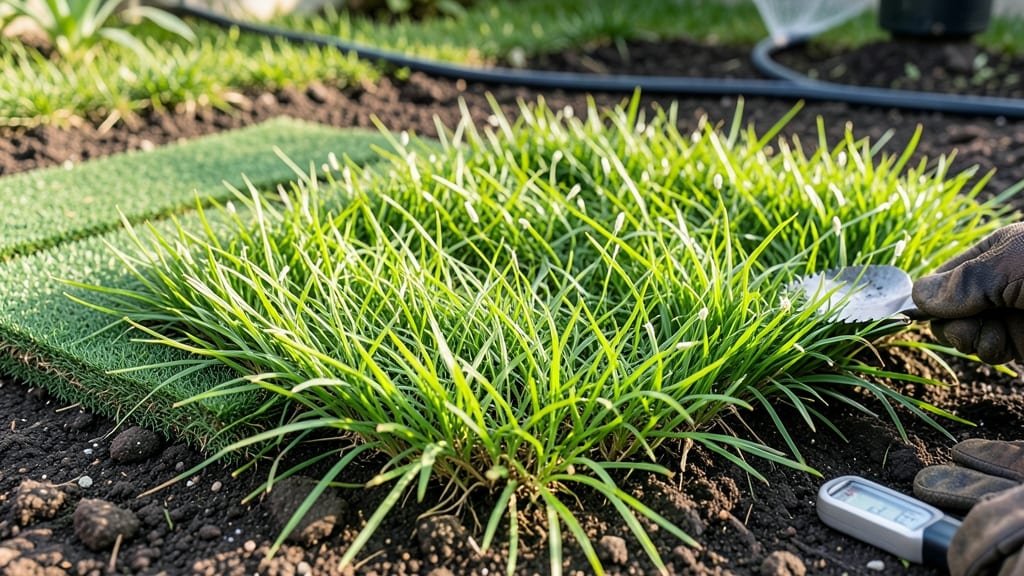
Timing your Bermuda Grass planting in Phoenix isn’t just about the calendar—it’s about beating the heat before it beats your lawn. With temperatures soaring past 100°F by late spring, planting too late means struggling with slow growth or weeds stealing your turf’s spotlight.
This heat-resistant grass thrives when planted between late February and early April, giving it a head start before summer’s intensity. But Phoenix’s microclimates—like the cooler desert edges versus the scorching urban core—can shift the ideal window by weeks.
I’ll break down the exact planting timeline for your zone, including soil prep tricks and watering hacks to keep your lawn lush despite the desert sun. Skip the guesswork and get it right the first time.
Whether you’re seeding or sodding, these insights will help you avoid common mistakes like planting too late or overwatering in the heat. Let’s get your Bermuda Grass 🌱 off to a fast, drought-proof start.
Best planting windows for Bermuda grass in Phoenix’s extreme climate
Phoenix’s 110°F+ summers and mild winters create a unique challenge for Bermuda grass planting. Unlike cooler climates, soil temperature—not frost—dictates your ideal window. Aim for consistent 75°F+ soil temps, which typically aligns with late February through early April in most of Phoenix.
This 6-week window ensures your grass germinates quickly before summer’s intense heat stresses young roots. Areas like Scottsdale and Paradise Valley may warm earlier, while Mesa and Glendale often lag by 1-2 weeks due to slightly cooler microclimates.
🌱Pro Tip: Use a soil thermometer to confirm temps—Bermuda grass won’t sprout below 65°F, and growth slows dramatically below 75°F.
| Factor | Phoenix Specifics | Key Consideration |
|---|---|---|
| Optimal Planting Window | Late February–Early April | Soil temps hit 75°F+ consistently |
| Soil Temperature Threshold | 65°F (minimum), 75°F+ (ideal) | Below 65°F = no germination |
| Microclimate Variations | Scottsdale: 1-2 weeks earlier Mesa/Glendale: 1-2 weeks later |
Higher elevations = cooler soils |
| Germination Speed | 7–14 days (ideal temps) | Slows to 3+ weeks below 70°F |
| Establishment Time | 6–8 weeks to full coverage | Critical for weed suppression |
If you miss the spring window, your second chance arrives in late August—but this is riskier. Monsoon rains can delay germination, and summer heat may stress young plants before winter dormancy. For most Phoenix gardeners, spring planting yields the fastest, most reliable results.
🌡️Heat Tolerance Note: Bermuda grass thrives in 100°F+ temps once established, but new seedlings struggle above 95°F. That’s why early spring planting gives roots time to develop before summer’s peak.
Local water restrictions often kick in by June, making spring establishment even more critical. A well-rooted lawn in May will survive summer with 30% less water than a newly planted one.
For sod vs. seed, timing shifts slightly: Sod can handle warmer soils (up to 85°F) and establishes faster, while seed needs that 75°F+ threshold. If you choose seed, late February is your best bet; sod can stretch into early April.
💡Phoenix-Specific Hack: Test your soil’s moisture retention before planting. Phoenix’s clay-heavy soils often need compost amendments to prevent water runoff during germination.
Spring vs. fall planting: which wins in Phoenix’s heat?
Phoenix’s spring and fall seasons offer two distinct windows for planting Bermuda Grass, but each comes with trade-offs.
Spring planting (late February to early April) gives your grass a 6-8 week head start before summer’s brutal heat, while fall planting (September to early October) avoids the worst of the sun but risks weed competition from crabgrass and clover.
I’ve planted Bermuda in both seasons here in Phoenix, and spring consistently delivers faster establishment—critical for beating weeds. However, fall planting can be a low-maintenance option if you’re okay with slower initial growth and lighter water demands as temperatures drop.
Your choice depends on your patience and water availability. Spring requires more frequent irrigation during germination, while fall lets you ease up on watering as winter approaches. Let’s weigh the pros and cons to help you decide.
Spring Planting
- Faster germination (6-8 weeks)
- Beats weeds before they take hold
- Established before summer heat
- Higher water needs early on
- Risk of heat stress if planted late
- More maintenance during peak summer
Fall Planting
- Lower water demands as temps drop
- Less weed competition in winter
- Easier establishment before spring
- Slower initial growth
- Weeds may still invade before dormancy
- Less time to establish before winter
For fastest results, I recommend spring planting—especially if you’re seeding.
Sodding in fall can work if you’re patient, but you’ll need to monitor for weeds until the grass fills in. Pro tip: If you choose fall, aim for early September to give your grass time to root before winter slows growth.
Regardless of season, soil temperature is your best guide. Bermuda grass seeds need soil at 75°F+ to germinate. Use a soil thermometer to confirm—this is non-negotiable in Phoenix’s unpredictable microclimates. 🌡️
One mistake I see often? Planting Bermuda in late spring (May+). By then, the heat is already intense, and germination slows dramatically. If you miss the spring window, wait until fall—but don’t push it past early October, or you’ll risk winter dormancy before establishment.