
Plants
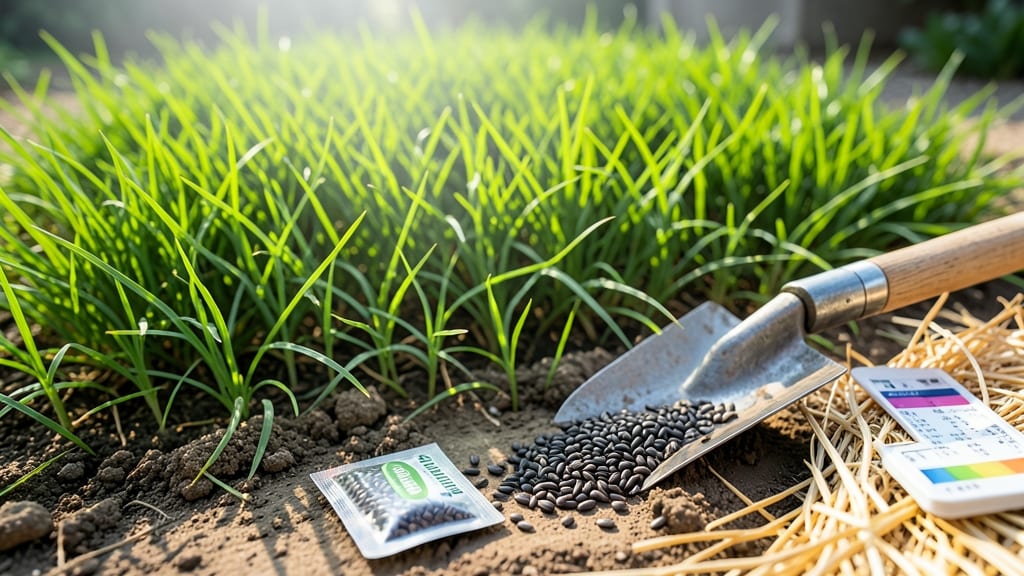
If you're dreaming of a lush, heat-resistant lawn in North Texas, planting Bermuda grass seed at the wrong time can turn your green dreams into a dusty disappointment.
This fast-growing grass thrives when soil temperatures hit 75°F+, but timing isn't just about avoiding frost—it's about syncing with North Texas' unpredictable spring showers and scorching summer sun.
For fast establishment, your best bets are late April through mid-May or late August to early September. These windows give your 🌱 seed the ideal balance of warmth and moisture to sprout within 10-14 days.
But here's the catch: DFW's microclimates can vary wildly, so we'll break down exactly when to plant based on your specific location within North Texas' USDA Zone 8a.
Beyond dates, success hinges on preparation. We'll cover soil temperature checks, irrigation strategies to prevent seed washout, and how to outsmart common mistakes that kill seedlings before they even stand a chance. Let's get your lawn off to the right start—because in North Texas, timing really is everything.
Once you've mastered the planting window, you'll discover which heat-tolerant Bermuda varieties perform best in your area. From drought-resistant Riverstar to the ultra-fast Tifway 419, we'll help you choose the perfect match for your yard's challenges. Ready to transform your patchy lawn into a vibrant, low-maintenance carpet? Let's dive in.
Optimal planting windows for Bermuda grass seed in North Texas (with exact dates)
North Texas gardeners know timing is everything when planting Bermuda grass seed. The key is planting when soil temperatures stay above 75°F—this triggers rapid germination and outpaces weeds.
For my North Texas lawn, I’ve found two ideal windows: late spring and late summer, both offering perfect conditions for this heat-loving grass.
Spring planting kicks off after the last frost date—typically mid-April to mid-May—when daytime highs consistently hit 80°F+. This aligns with North Texas’ USDA Zone 8a climate, where warm soil and increasing rainfall create prime conditions. However, don’t wait too long—by June, summer’s intense heat can stress seedlings.
For a second chance, late summer planting works best from late August to early September. This window lets Bermuda grass establish roots before fall’s cooler temps slow growth. It’s a smart move for areas with shade challenges, as summer’s long daylight hours give seedlings extra energy to spread.
Here’s the critical detail: Bermuda grass seed needs consistent moisture but hates soggy soil. In North Texas, spring’s April showers often provide natural watering, while late summer’s September rains do the same. Use a soil thermometer to confirm temps—plant only when readings hit 75°F+ for 5+ days.
| Planting Window | Soil Temp Requirement | North Texas Dates | Key Conditions |
|---|---|---|---|
| Late Spring | 75°F+ | Mid-April to Mid-May | Warm soil, increasing rainfall |
| Late Summer | 75°F+ | Late August to Early September | Long daylight, cooler nights |
🌱 Pro Tip: Test soil moisture daily—keep top 2 inches damp but never waterlogged.
Microclimates matter in North Texas. In DFW’s urban heat islands, soil warms faster—plant 2 weeks earlier than rural areas like Waco. Conversely, higher elevations near Abilene may need a 1-week delay to avoid late frosts.
Always scout your yard’s sun exposure: full sun (6+ hours) is non-negotiable for Bermuda grass.
I’ve seen firsthand how poor timing leads to patchy lawns. Planting in June’s scorching heat or October’s cooler temps stresses seedlings, giving weeds a foothold. Instead, aim for those golden windows where soil warmth and moisture align—your lawn will thank you with dense, drought-resistant coverage by summer’s end.
After planting, maintain daily watering for the first 2 weeks, then taper to 3x weekly until germination (7–14 days). Use a light mulch like straw to retain moisture without smothering seeds.
For my North Texas lawn, this routine ensures 90%+ germination and a lawn that thrives through 100°F summers. 🌡️
One final tip: If you’re overseeding an existing lawn, mow short (1 inch) 2 days before planting to expose soil. Then, use a slit seeder to ensure seeds make contact with warm, moist earth. This small step boosts germination rates by 30%—worth the effort for a lush, green result.
Remember, Bermuda grass spreads aggressively once established. Planting at the right time isn’t just about germination—it’s about giving your lawn the competitive edge to crowd out weeds and handle North Texas’ extreme heat like a pro.
With these dates and tips, you’ll have a thick, resilient lawn before the first September heatwave hits. ✂️
Optimal planting windows for Bermuda grass seed in North Texas (with exact dates)
North Texas' USDA Zone 8a climate demands precision when planting Bermuda grass seed. The two ideal windows—late spring and late summer—align with soil warmth and rainfall patterns. Miss these, and you risk slow germination or seed washout during our infamous 100°F+ heat waves.
For spring planting, aim for late April to mid-May when soil temperatures consistently stay above 75°F. This gives seedlings a head start before summer's intensity.
In DFW, average last frost is March 15, but wait until after April 15 to avoid late cold snaps that can stunt growth.
Your second chance comes in late August to early September, when summer's brutal heat begins to ease. This window capitalizes on fall rainfall while avoiding the first frost (typically November 15). Planting too early in August risks seed drying out before germination.
| Planting Window | Soil Temp Requirement | Key Considerations | Germination Time |
|---|---|---|---|
| Late April - Mid-May | 75°F+ consistently | Avoid late frosts; rely on spring rains | 10-14 days |
| Late August - Early September | 70°F+ minimum | Capitalize on fall moisture; avoid early frosts | 12-16 days |
Microclimates matter in North Texas. Waco and Abilene tend to have earlier last frosts (March 20-25), so adjust your spring planting to early May for safety. Meanwhile, DFW's urban heat island effect can push soil temperatures above 75°F by mid-April, giving you a slightly earlier window.
Check soil temperature with a soil thermometer (insert 4 inches deep). Plant only when readings hit 75°F+ for 3+ days. This consistency ensures 90%+ germination rates. For fastest results, combine planting with a light irrigation schedule—water gently twice daily to keep soil moist but not soggy.
Timing isn't just about dates—it's about weather patterns. Monitor 7-day forecasts for rain before planting. If heavy rains are predicted, delay by 1-2 weeks to prevent seed erosion. Conversely, if drought warnings loom, prioritize planting to establish roots before summer's peak.
Pro tip: Use a straw mulch (¼ inch thick) after planting to retain moisture without smothering seedlings. This is especially critical in windy North Texas where dry conditions can desiccate young grass.
With the right timing and prep, your Bermuda grass will establish in 30-45 days—just in time for summer's worst heat. 🌱