
Plants
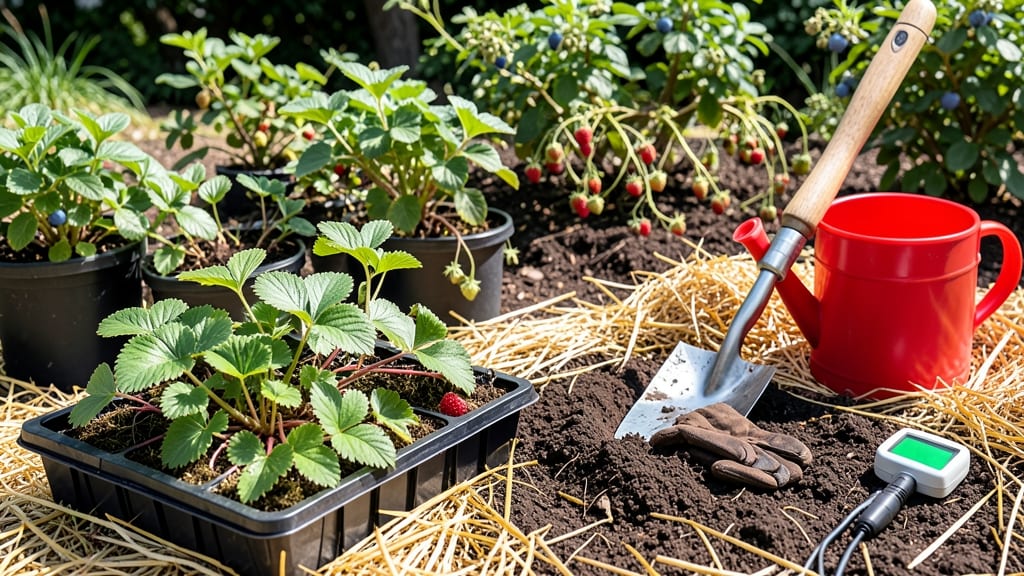
Knowing when to plant berries in Zone 8 isn’t just about picking a month—it’s about matching your berries’ chill-hour needs to your local microclimate to avoid frost damage or heat stress.
Whether you’re dreaming of juicy blueberries or sweet raspberries, getting the timing right makes the difference between a thriving bush and a sad, stunted plant.
In Zone 8 (like Southern California or Georgia), your best bets are late winter to early spring or fall planting—just after the last frost or before the first chill sets in. But here’s the catch: not all berries play by the same rules.
High-chill varieties like blueberries need 600+ hours below 45°F, while low-chill raspberries thrive with just 300 hours. Get this wrong, and you’ll end up with weak growth or no fruit at all.
I’ve tested what works in my Zone 8 garden, and the key is adjusting for your specific location’s frost dates and soil warmth. Urban areas might need container gardening for extra protection, while rural spots can push planting later into fall.
Let me walk you through the exact schedule—and the tricks—to ensure your berries 🫐 get the perfect start for a harvest that’ll make your neighbors jealous.
Ready to skip the guesswork? You’ll learn how to pick the right varieties, prep your soil, and time your planting for maximum flavor and yield—no matter where in Zone 8 you’re gardening. Let’s get those berries growing!

Berry planting schedule by chill-hour requirements in Zone 8
In Zone 8, the key to successful berry planting is understanding chill-hour requirements. Most berries need a specific number of hours below 45°F (7°C) to flower and fruit properly.
High-chill varieties like blueberries and blackberries struggle here, while low-chill raspberries and strawberries thrive. Let’s break down the best planting windows for each type.
For high-chill berries (300–900 hours), aim for late winter to early spring (February–March) when soil temperatures rise above 50°F (10°C). This gives roots time to establish before summer heat arrives. Low-chill varieties (<300 hours) can handle fall planting (September–October) for an earlier spring harvest.
Here’s how to match your berry variety to Zone 8’s chill-hour windows:
| Berry Type | Chill Hours Needed | Best Planting Window | Soil Temp Threshold | Notes |
|---|---|---|---|---|
| Blueberries | 600–900 | Feb–March (bare-root) | 50°F (10°C) | Acidic soil (pH 4.5–5.5); needs winter chill. |
| Blackberries | 300–500 | Feb–March or Sept–Oct | 55°F (13°C) | Thornless varieties perform best in heat. |
| Raspberries | 200–300 | Sept–Oct (fall) or Feb (spring) | 60°F (16°C) | 'Primetime' and 'Heritage' are top Zone 8 picks. |
| Strawberries | 150–250 | Sept–Nov (everbearing) or Feb (June-bearing) | 50°F (10°C) | 'Albion' and 'Seascape' handle heat well. |
If you’re planting bare-root berries, soak roots in water for 2–4 hours before transplanting to reduce shock. For container-grown plants, dig a hole twice as wide as the root ball to encourage root spread. Amend the soil with compost and a slow-release fertilizer (10-10-10) to support early growth.
Zone 8’s last frost date varies—check your local USDA frost map—but most areas see frost risks until mid-February. Planting too early can leave young plants vulnerable. For fall planting, aim for 6–8 weeks before first frost to allow roots to establish before winter dormancy.
Pro tip: Use black plastic mulch in early spring to warm the soil faster and jumpstart growth. This is especially helpful for high-chill berries that need a head start in Zone 8’s mild winters. Remove mulch once soil reaches 60°F (16°C) to prevent overheating.
For container gardening, plant berries in 5-gallon pots with drainage holes and use a well-draining potting mix. Containers warm up faster than ground soil, so adjust planting dates 2–3 weeks earlier in spring or 1–2 weeks later in fall.
Monitor your plants closely after transplanting. Wilting leaves or yellowing foliage can signal transplant shock or root rot from overwatering. Mulch with straw or wood chips to retain moisture and regulate soil temperature.
Remember: Berry plants take 1–2 years to mature and produce fruit. Patience pays off—with the right timing, you’ll enjoy homegrown berries for years to come! 🌱
How to adjust planting for Zone 8 microclimates and frost risks
Zone 8 isn’t one-size-fits-all—your urban backyard in Los Angeles faces different frost risks than a rural farm in Georgia. Microclimates can shift last frost dates by weeks, so knowing your specific conditions is key to avoiding frost damage or missed harvests.
Let’s break down how to adapt your planting schedule for your unique Zone 8 location.
Start by checking your local frost-free date, which typically ranges from February 15 to March 15 in Zone 8. Urban areas often warm up faster due to the heat island effect, while rural spots may hold frost longer.
Use the National Weather Service or local cooperative extension to pinpoint your exact date—this is your planting trigger for spring berries.
For high-chill varieties like blueberries or blackberries, consider fall planting (September–October) to give roots time to establish before winter. These plants need 600–900 chill hours, so planting too late in fall risks winter dieback in colder microclimates.
Use mulch (4–6 inches) to insulate roots and protect against temperature swings.
⚠️ Frost Risk Warning
Even in Zone 8, late-spring frosts can occur—especially in valleys or high elevations. If your area has a history of unpredictable frosts, opt for low-chill varieties or use row covers to protect young plants. Avoid planting bare-root berries until soil temps hit 50°F (10°C) consistently.
🌡️ Pro Tip: Use a soil thermometer to monitor temps—berries need warm soil to thrive.
Container gardening is a game-changer for urban Zone 8 gardeners. Move pots to warmer microclimates (like near a south-facing wall) during cool snaps and bring them indoors if frost is forecasted.
Choose dwarf varieties like 'Titan' blackberries or 'Albion' raspberries, which adapt well to container life and can be protected more easily.
Soil warming tricks can also extend your planting window. Lay down black plastic mulch 2–3 weeks before planting to raise soil temps by 5–10°F (3–6°C). This is especially helpful for slow-starting berries like gooseberries or currants, which need warmer soil to germinate.
Pair this with drip irrigation to maintain moisture without overheating the roots.
Don’t overlook windbreaks—they shield young berry plants from drying winds and frost pockets. A hedge or lattice fence on the north or west side of your berry patch can create a microclimate sanctuary, reducing stress on delicate canes.
For high-value varieties like 'Duke' blueberries, this extra protection pays off in bigger yields.
Finally, keep a gardening journal to track your local microclimate quirks. Note when frosts hit, how long soil stays warm, and which varieties thrive. Over time, you’ll fine-tune your planting schedule to perfection—because in Zone 8, local knowledge beats generic rules every time. 🌱