
Plants
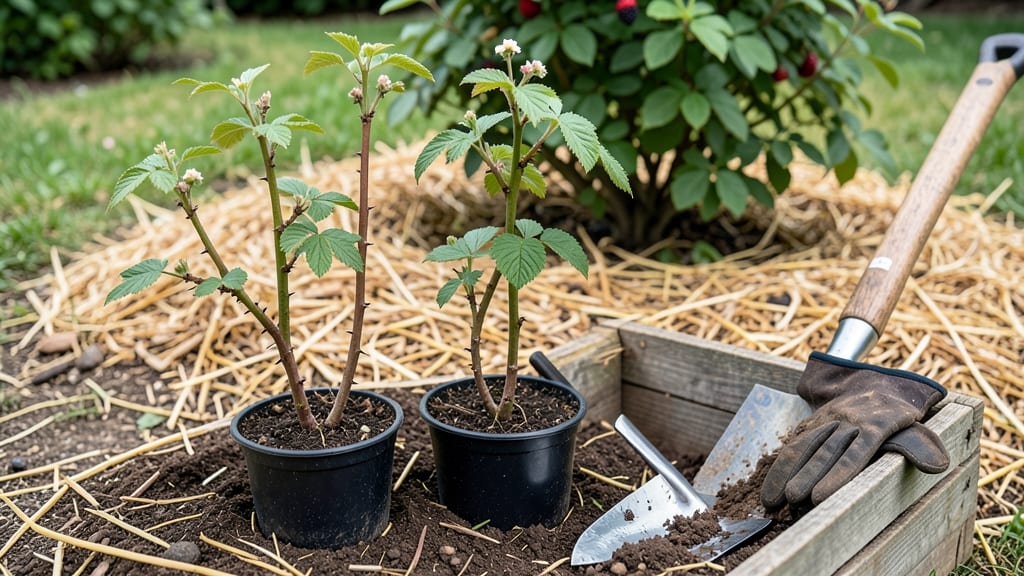
Planting blackberries in Alabama at the wrong time can mean the difference between a lush, fruit-bearing bramble and a struggling bush that never quite thrives in the humid climate. With Alabama’s Zone 7b-8a conditions, timing isn’t just important—it’s the key to avoiding heat stress, fungal diseases, and poor root establishment.
You’ve probably heard that spring is the best time to plant, but in Alabama, fall planting often gives blackberries a head start. The ideal window stretches from late winter to early spring, but there’s more to it than just the calendar.
Soil temperature, rainfall patterns, and even your specific microclimate (northern vs. southern Alabama) play a role in when you should get those canes in the ground.
Whether you’re a first-time gardener or a seasoned pro, knowing the exact months to plant—and how to prepare your soil—will determine whether your blackberries flourish or fizzle. Let’s break down the science behind Alabama’s planting calendar, including pro tips to maximize your harvest.
From choosing between bare-root or potted plants to adjusting for Alabama’s unique climate challenges, this guide covers everything you need to know. Ready to grow healthier blackberries with fewer headaches? Let’s dive in.
Alabama blackberry planting calendar: best months for spring vs fall planting in Zone 7B
Alabama’s Zone 7b-8a climate creates unique challenges for blackberry growers, where timing directly impacts survival rates and fruit production. Unlike cooler northern states, Alabama’s humidity and soil conditions demand precise planting windows to avoid fungal diseases and heat stress.
The two best times to plant blackberries in Alabama are late fall and early spring, but each has distinct advantages depending on your location and blackberry variety.
For most of Alabama, fall planting (November-December) is ideal because cooler temperatures and lower humidity give roots time to establish before summer heat arrives. In contrast, spring planting (February-March) works better in southern Alabama where winters are milder.
Understanding these differences—and how soil temperature plays a role—will help you choose the perfect window for your blackberry patch.
Here’s the critical comparison you need to know before selecting your planting date:
| Planting Window | Soil Temp Requirement (°F) | Key Climate Factors in Alabama | Pros of This Timing | Cons to Avoid |
|---|---|---|---|---|
| Late November to early December (Fall) | 60–70°F | Cooler nights, lower humidity, established roots before winter | Higher survival rate, earlier fruiting next season | Frost risk if planted too late |
| Mid-February to early March (Spring) | 55–65°F | Warmer days, higher humidity, potential drought stress | Longer growing season for established plants | Higher disease pressure from spring rains |
If you’re growing primocane varieties (like 'Natchez' or 'Ouachita'), fall planting gives them a head start for next year’s crop, while floricane types (like 'Apache' or 'Chester') benefit from spring planting to establish strong canes before fruiting.
For northern Alabama (closer to Zone 7b), aim for late November to avoid early frosts, while southern Alabama (Zone 8a) can extend planting until early December.
One critical factor often overlooked is soil temperature. Use a soil thermometer to confirm temperatures are above 55°F before planting, as cooler soils slow root establishment. In Alabama’s clay-heavy soils, this is especially important—roots need warmth to penetrate compacted layers.
Pro tip: If soil temps are too cold, delay planting by a week or two rather than forcing it.
Microclimates matter too. Urban areas in Birmingham or Huntsville may experience 3–5°F warmer soil temperatures than rural spots, allowing slightly later spring planting. Conversely, valley regions like the Tennessee River Valley can see earlier frosts, making fall planting riskier. Always check your local USDA frost date maps and adjust accordingly.
For container-grown blackberries (potted plants), you have a slightly wider window—plant them 2–3 weeks before your last frost date in spring, as their roots are less sensitive to cold. However, bare-root canes must go in the ground immediately after purchase to prevent desiccation, so plan ahead for fall planting.
Remember: Fall planting gives blackberries a 6–8 week head start on root growth before Alabama’s summer heat arrives, while spring planting risks stress from early-season humidity and potential drought. Choose wisely based on your variety, location, and soil conditions.
🌱
How to prepare your Alabama soil for blackberry planting: a step-by-step guide
Alabama’s clay-heavy soils and humid climate demand special prep before planting blackberries. Without the right foundation, your canes will struggle with poor drainage or nutrient deficiencies, leading to weak growth and low yields.
The key is creating a well-draining, slightly acidic (pH 5.5–6.5) soil rich in organic matter to support root development and disease resistance.
Start by testing your soil’s pH and nutrient levels at least 4–6 weeks before planting. Alabama’s native soils often test too alkaline (above 7.0), which locks out essential nutrients like phosphorus and iron.
Use a home test kit or send a sample to your local Alabama Cooperative Extension Service for professional analysis. This step alone can save you from years of struggling with stunted plants.
Once you have your results, amend the soil based on its needs. For high-clay soils common in northern Alabama, mix in 2–3 inches of compost or well-rotted manure to improve structure. Southern Alabama’s sandy soils benefit from organic matter additions like leaf mold or peat moss to retain moisture.
Work these amendments into the top 12 inches of soil where roots will establish most actively.
Organic vs. Synthetic Soil Amendments for Alabama Blackberries
Organic Amendments
- ✅ Pros: Improves soil structure long-term
- Enhances microbial activity
- Reduces risk of soil-borne diseases
- Cost-effective for large plots
- ⚠️ Cons: Slower results (3–6 months)
- May require frequent reapplication
- Can attract pests if not fully decomposed
Synthetic Amendments
- ✅ Pros: Fast-acting pH adjustment
- Precise nutrient delivery
- Longer residual effects
- Reduces labor for large-scale planting
- ⚠️ Cons: Potential for over-fertilization
- Higher upfront cost
- May disrupt soil biology if overused
- Requires careful calibration
🌱 Pro Tip: For Alabama’s humidity, combine organic matter with sulfur (to lower pH) and gypsum (to improve clay soils) for best results.
Drainage is non-negotiable in Alabama’s wet climate. Blackberries hate soggy roots, which lead to root rot and fungal diseases like anthracnose. If your soil drains poorly, create raised beds or mounds that are 12–18 inches high and 3–4 feet wide.
This elevates roots above waterlogged areas while still allowing ample space for blackberry canes to spread. For in-ground planting, dig a broad trench (12 inches deep) and fill it with a mix of native soil, compost, and perlite to improve drainage.
After amending, level the soil and create a planting hole that’s twice as wide as the root ball but only as deep. This prevents root suffocation from being buried too deeply. Water the hole thoroughly before planting to settle the soil and remove any air pockets.
For Alabama’s hot summers, follow up with a 2–3 inch layer of mulch (straw or pine needles) around the base, keeping it 6 inches away from the stem to prevent rot.
Finally, install a trellis system before planting—blackberries need support to thrive. Use galvanized metal or cedar posts (to resist Alabama’s humidity) and string twine or wire at 3–4 foot intervals vertically.
This keeps canes off the ground, improves airflow, and makes harvesting easier. With these soil prep steps, your blackberries will have the perfect foundation to flourish in Alabama’s challenging climate.