
Plants
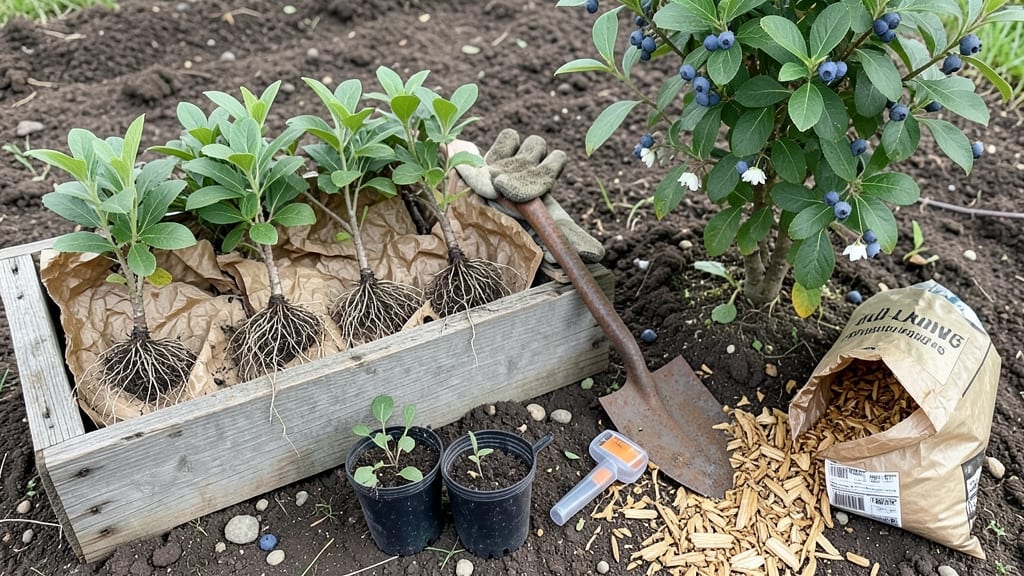
Timing your blueberry planting in Indiana can mean the difference between a thriving 🫐 bush and a sad, frost-nipped failure—especially in Zones 5b-6b where winters bite hard and summers race by.
I’ve watched too many gardeners rush the process, only to have their tender young plants crisp under late frosts or struggle to root before the first snowflakes.
The secret weapon here isn’t just waiting for the last frost (though that’s part of it)—it’s understanding your blueberry variety’s chill-hour needs. Some need 900 hours of cold to fruit well, while others thrive with just 400 hours.
Plant too early, and you risk frost damage; too late, and your bushes won’t establish roots before winter sets in.
But here’s the good news: Indiana’s two planting windows—late March through April or October through November—give you flexibility if you pick the right variety and prep your soil properly.
I’ll walk you through exactly how to match your bushes to your climate, plus pro tips to stretch your planting window without gambling with your harvest.
Let’s get your blueberries off to the right start—because once those bushes are happy, you’ll be picking sweet, juicy berries by July or August.
Best planting months for Indiana blueberries based on chill hours
Indiana’s Zone 5b-6b climate gives you two prime windows to plant blueberries: late March through April or October through November. But here’s the catch—your choice depends on your blueberry variety’s chill-hour needs. Most Indiana-friendly varieties need between 400-900 hours of temperatures below 45°F to set fruit properly.
If you plant in spring, aim for after the last frost date (typically around April 15 in most of Indiana). This gives your bushes 6-8 weeks of warm soil before summer heat arrives.
Fall planting, however, lets you take advantage of cooler soil temperatures and established roots before winter dormancy.
Here’s the key: Northern Indiana (Zone 5b) has shorter frost-free seasons, so fall planting is riskier. Southern Indiana (Zone 6b) can push fall planting later, even into early November. Always check your local USDA frost maps or use a frost calendar for your specific county.
Your microclimate matters. A sheltered spot near a south-facing wall or evergreen windbreak can add 2-3 weeks to your frost-free window. I’ve seen gardeners in northwest Indiana plant blueberries as early as mid-March in these protected spots—just be ready to cover them if frost sneaks in.
Now, let’s break down your options with a side-by-side comparison of spring vs. fall planting, including chill-hour strategies and Indiana-specific adjustments.
Spring planting gives your blueberries a head start on the growing season, but it’s riskier in northern Indiana where late frosts can linger.
Fall planting, on the other hand, lets your bushes establish roots before winter, but you’ll need to act fast—especially if you’re in southern Indiana where first frosts can arrive as early as October 10.
Pro move: If you’re on the fence, plant in both seasons! Start with 1-2 bushes in spring and another batch in fall. This way, you’ll have a mixed harvest timeline—some berries in early July and others in mid-August. Just
One more thing: Soil temperature
Best planting months for Indiana blueberries based on chill hours
Indiana’s chill-hour requirements (300-900 hours below 45°F) are the real game-changer for blueberry planting success. Most varieties need 600-800 chill hours to fruit well, and Indiana’s Zones 5b-6b deliver that—but timing matters.
Plant too early, and late frosts (common until April 15) will crisp your young bushes. Too late, and roots won’t establish before winter dormancy.
Your two safest windows are late March through April (after last frost) or October through November. Spring planting gives bushes a full growing season to root, while fall planting leverages cool soil temps to reduce transplant shock.
I’ve seen gardeners in northern Indiana (Zone 5b) struggle with spring planting because frosts linger longer—so adjust based on your microclimate.
🌱Key rule: Soil temps should be above 40°F (use a soil thermometer) and frost risk minimal. In southern Indiana (Zone 6b), you can push spring planting to mid-April, but northern areas should wait until late April.
| Planting Window | Chill Hours Needed | Best Varieties | Indiana Zone Fit |
|---|---|---|---|
| Late March - Early April | 600-900 hrs | Bluecrop, Jersey, Patriot | 5b-6b (all) |
| Mid-April | 400-600 hrs | Duke, Legacy, Top Hat | 6b (warmer microclimates) |
| October - Early November | All ranges | Any (fall planting) | 5b-6b (soil must freeze by Dec) |
📅 Pro Tip: Use a frost calendar for your county (e.g., Old Farmer’s Almanac) to pinpoint your exact window.
Fall planting (October-November) is my top recommendation for Indiana gardeners. The cooler soil helps roots establish without summer heat stress, and bushes enter dormancy naturally. Just ensure soil temps stay above freezing for 4-6 weeks post-planting—otherwise, roots may heave out of the ground.
In Zone 5b, aim for planting by October 15; Zone 6b can stretch to November 1.
🌡️Watch for: Soil temps dropping below 32°F before roots establish (use straw mulch 3-4 inches deep to insulate). I’ve had success in northern Indiana by covering newly planted bushes with frost blankets until the ground freezes solid—this buys you an extra 2-3 weeks of root growth.
Microclimates matter! If you’re in a sheltered valley or near a large body of water, you might safely plant 2 weeks earlier than the general guideline.
Conversely, hilltops or exposed areas need the full buffer. Test your spot by checking where frost lingers longest in your yard—blueberries hate cold air pockets.