
Plants
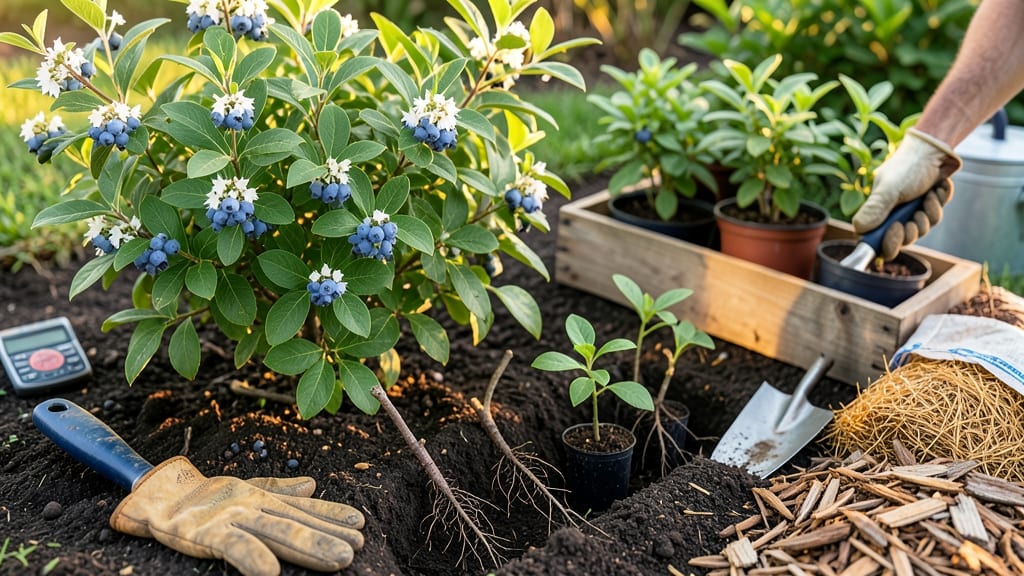
Planting a Blueberry Bush 🫐 in Mississippi isn't just about sticking it in the ground—it's about working with the state's unique climate to ensure those sweet, juicy berries thrive.
If you've ever wondered why some blueberry bushes explode with fruit while others struggle, the answer often comes down to timing and preparation.
Mississippi's warm winters and long growing season give you two prime windows to plant: late fall through early spring. But here's the catch—planting too early or too late can leave your bushes vulnerable to heat stress or winter damage.
Let me break down the exact months that work best for your specific USDA zone, whether you're in the cooler hills of the north or the balmier south.
You'll also discover how to prep your soil for those acid-loving bushes, because Mississippi's clay-heavy dirt needs special attention. We'll cover everything from adjusting pH levels to choosing the perfect spot that balances sun exposure with shade protection during those brutal summer afternoons.
By the end, you'll know exactly when to plant, how to care for your bushes through Mississippi's changing seasons, and what to watch for to guarantee a bountiful harvest. Let's get those blueberries growing!
Best planting months for blueberries in Mississippi’s climate Zones
Mississippi’s USDA Zones 7b-9a offer a perfect window for planting blueberry bushes, but timing varies by region. In Northern Mississippi (Zone 7b), the best time is late fall (November) to early spring (February)—before the last frost date around mid-March.
Southern areas (Zones 8a-9a) can plant until early March without frost worries, but late winter (January-February) is ideal for root establishment before summer heat arrives.
Blueberries thrive when planted during dormancy, allowing roots to establish before spring growth. In Mississippi, this means avoiding late spring (April-May) when soil temperatures rise too quickly. Southern Highbush varieties, common in the state, handle heat better but still need cool soil (below 60°F) for successful transplanting.
Northern regions should prioritize fall planting to avoid winter stress.
Here’s how Mississippi’s microclimates affect planting: Coastal areas (Zone 9a) can plant until early March, while inland zones (7b) must finish by February 15th. Elevation also matters—higher areas (like the Delta) may experience earlier frosts, requiring earlier planting.
Always check your local last frost date via the Mississippi State University Extension for precision.
| Zone | Best Planting Window | Soil Temp Requirement | Key Consideration |
|---|---|---|---|
| 7b (North MS) | Late November – Early February | Below 60°F (15°C) | Avoid late frosts (plant before March 15) |
| 8a (Central MS) | January – Early March | Below 65°F (18°C) | Cooler winters allow later planting |
| 8b (South MS) | February – Early March | Below 70°F (21°C) | Heat tolerance extends window |
| 9a (Coastal MS) | January – Mid-March | Below 75°F (24°C) | Longer frost-free season |
For container-grown blueberries, Mississippi gardeners can plant year-round in pots, but fall or early spring still yields best results.
Containers warm up faster in spring, so avoid planting after mid-March unless using shade cloth. Bare-root plants (cheaper and hardier) must be planted during dormancy—never in summer—while potted varieties offer more flexibility.
Mississippi’s humidity and summer heat demand extra care post-planting. After transplanting, mulch with pine straw or wood chips to retain moisture and mimic the acidic forest floors blueberries love.
Water deeply 2-3 times per week for the first month, then taper to weekly deep waterings once established. Drip irrigation is ideal to avoid wetting leaves and inviting fungal diseases like botrytis.
One common mistake Mississippi gardeners make is planting too late in spring, causing heat stress before roots establish.
If you miss the ideal window, wait until fall (September-October) for a second chance. Southern Highbush varieties like ‘Southern Belle’ or ‘Premier’ are best for Mississippi’s heat, while Rabbiteye types (like ‘Climax’) thrive in Zone 8b and below with less summer water stress.
Pro tip: Test your soil’s acidity (pH 4.5-5.5) before planting—Mississippi’s native soils are often alkaline (pH 7+). Amend with sulfur or peat moss 2-3 months before planting to avoid shocking roots. Blueberry bushes are perennials, so proper soil prep now means decades of harvests with minimal replanting.
Mississippi’s long growing season (210-240 frost-free days) lets blueberries produce two harvests per year in ideal conditions. Early-season varieties (like ‘Duke’) ripen in May-June, while late varieties (like ‘Brigitta’) extend into July.
Planting at the right time ensures your bushes bloom synchronously, maximizing pollination and fruit set for a bountiful harvest.
🫐💧☀️
Best planting months for blueberries in Mississippi’s climate Zones
Mississippi's climate zones—7b in the north and 8a-9a in the south—create distinct planting windows for blueberry bushes. In Zone 7b, where winters are cooler, aim for planting between November 1st and February 28th.
This window allows roots to establish before spring warmth triggers growth. For Zones 8a-9a, extend planting until March 15th to avoid early heat stress that can shock young plants.
The key is planting when soil temperatures stay below 60°F (15°C) but above 40°F (4°C). In Mississippi, this typically means late fall or early spring. Planting in November or December gives bushes time to root before spring's rapid growth phase.
If you miss this window, February is your next best bet before the last frost date—usually mid-March—when new growth could be damaged by unexpected cold snaps.
Southern Highbush varieties, like 'Southern Blue' or 'Peach Sorbet,' thrive when planted in Mississippi's milder winters. These varieties are less cold-hardy than Northern Highbush types, so avoid planting in late winter (March) unless you're in Zone 9a, where frost risks are minimal.
In cooler Zone 7b, late-March planting can expose young bushes to late frosts, stunting their development.
| Zone | Best Planting Window | Soil Temp Requirement | Key Consideration |
|---|---|---|---|
| 7b (North MS) | Nov 1 - Feb 28 | 40°F - 60°F (4°C - 15°C) | Avoid late frosts |
| 8a (Central MS) | Nov 15 - Mar 15 | 45°F - 65°F (7°C - 18°C) | Extend window slightly |
| 8b-9a (South MS) | Dec 1 - Mar 31 | 50°F - 70°F (10°C - 21°C) | Minimal frost risk |
Mississippi's clay-heavy soils can cause heat stress if planted too late. In Zone 9a, where summers are long and intense, avoid planting after March 15th. Young bushes planted in April or May may struggle with heat shock, leading to poor root establishment.
Instead, opt for bare-root plants in late winter or early spring, as they adapt better to Mississippi's warm transitions than container-grown bushes.
Pro tip: Check your local Mississippi State University Extension frost dates for your specific county. For example, North Mississippi (Zone 7b) may see frost until April 1st, while South Mississippi (Zone 9a) rarely experiences frost after February 15th.
Planting too close to these dates risks exposing your bushes to late-season cold snaps, which can be fatal for tender new growth.
If you're in a transition zone (like Zone 8a), split the difference: plant in late December or January for a balance of root establishment and frost avoidance.
Remember, Mississippi's humidity and summer heat demand healthy roots before the growing season kicks in—so timing is your secret weapon for bountiful blueberries! 🫐