Plants
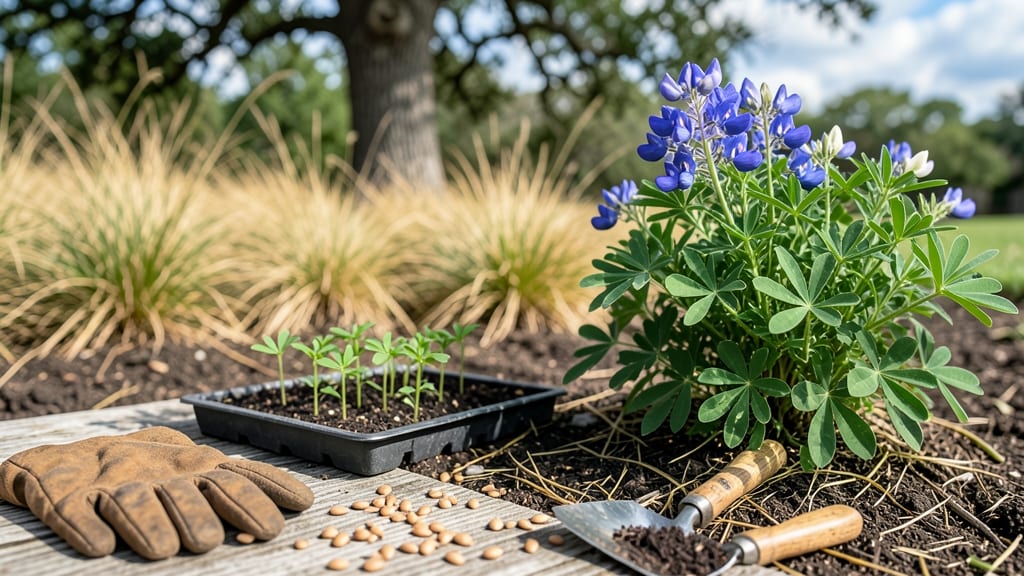
Planting bluebonnets at the wrong time in North Texas can mean waiting years for those iconic blue blooms—or never seeing them at all.
The key to success lies in a narrow frost-free window where seeds can germinate before winter sets in, and I’ve got the exact timing you need to avoid common mistakes.
For gardeners in zones 7b-8a, the ideal planting window runs from late September through November, when soil temperatures drop and rainfall increases. This timing ensures seeds don’t dry out or sprout too early, giving them the best chance to establish roots before dormancy.
Skipping this window often leads to sparse blooms or no flowers at all.
Whether you’re in the Hill Country or urban areas like Dallas-Fort Worth, the same rules apply: scatter seeds directly on well-drained soil after the first frost.
I’ll walk you through the exact steps to prepare your soil, choose the right variety, and care for your bluebonnets so they thrive next spring.
Ready to transform your landscape into a vibrant blue carpet? Let’s dive into the step-by-step guide that’ll have your North Texas garden bursting with these Texas state flowers by April.
North Texas bluebonnet planting calendar: month-by-month frost-free guide
Bluebonnets (Lupinus texensis) thrive in North Texas when planted during their optimal frost-free window, which typically runs from late September to November. This timing ensures seeds germinate after winter chilling and bloom spectacularly in spring.
Missing this window risks poor germination or frost damage, especially in USDA Zones 7b-8a.
North Texas experiences variable frost dates—Dallas-Fort Worth averages its first frost around mid-December, while Waco and Abilene may see frost earlier. Planting too late means seeds won’t establish roots before winter dormancy, while planting too early can lead to premature sprouting or seedling death from heat stress.
| Month | Planting Window | Soil Temp (°F) | Notes |
|---|---|---|---|
| August | Early August (dry areas) | 70-80°F | Risk of heat stress; best for drought-prone regions. |
| September | Late September (ideal) | 60-70°F | Best germination; seeds need 4-6 weeks to establish before frost. |
| October | Early to mid-October | 50-60°F | Peak planting time; cool nights trigger dormancy. |
| November | Early November (before frost) | 40-50°F | Last chance; seeds need 2-3 weeks to sprout before frost. |
| December | Not recommended | N/A | Frost risk; seeds may rot or fail to germinate. |
For urban areas like Dallas-Fort Worth, aim for late September to early October—this aligns with cooling soil temperatures and reduced rainfall, which are ideal for seed germination. In rural or Hill Country regions (e.g., Abilene, Waco), push planting to mid-October to avoid early frosts.
North Texas’ alkaline soils (pH 7.5-8.5) benefit from lightly disturbed ground—avoid tilling, which can bury seeds too deep. Instead, scatter seeds on the surface and lightly rake to ensure soil contact. A thin layer of mulch (like straw) helps retain moisture during fall’s variable rains.
If you miss the fall window, spring planting is possible but less reliable. Sow seeds in February only if your soil is workable and frost-free. Spring-planted bluebonnets often produce fewer blooms because they lack the winter chilling period needed for robust growth.
Pro tip: Use a seed starter mix if pre-sprouting indoors. Plant seedlings outdoors by mid-October to give them time to establish roots before winter. This method works well for urban gardeners with limited space or poor soil conditions.
Monitor local frost forecasts—the National Weather Service provides 10-day outlooks for North Texas. Planting 2-3 weeks before the first predicted frost gives seeds enough time to germinate and develop hardy taproots.
For maximum blooms, pair bluebonnets with wildflowers like Indian paintbrush or coreopsis. These companions thrive in the same full-sun conditions and drought-tolerant soils, creating a low-maintenance meadow that attracts pollinators year-round.
North Texas bluebonnet planting calendar: month-by-month frost-free guide
Bluebonnets thrive in North Texas when planted during the frost-free window between late September and November. This timing aligns with the region's USDA Zones 7b-8a, where the first frost typically arrives in mid-December.
Planting too early can lead to premature sprouting, while waiting too long risks frost damage before germination.
For the best results, aim to sow seeds 4-6 weeks before the first frost. In North Texas, this means early October is ideal for most areas.
However, elevated regions like Abilene may need to plant as early as late September, while urban areas like Dallas-Fort Worth can wait until mid-October.
Here’s your month-by-month planting guide, including soil temperature and frost risk:
| Month | Soil Temp (°F) | Frost Risk | Planting Window | Notes |
|---|---|---|---|---|
| August | 75-85°F | Low | Early August (high elevations) | Risk of premature sprouting; best for northern regions. |
| September | 65-75°F | Very Low | Ideal for all zones | Best time for direct sowing in well-drained soil. |
| October | 55-65°F | Low | Primary planting month | Avoid planting after mid-October in urban areas. |
| November | 45-55°F | Moderate | Late November (high elevations only) | Risk of frost damage; use mulch for protection. |
| December | 35-45°F | High | Not recommended | Seeds may not germinate until spring. |
If you miss the fall window, you can still plant bluebonnets in early spring (February-March), but expect smaller blooms or delayed flowering. The key is ensuring seeds experience cold stratification—a natural process that mimics winter conditions—to break dormancy.
For urban gardeners, consider pre-sprouting seeds indoors in late August and transplanting outdoors in September. This method gives seedlings a head start before the first frost. Just remember: bluebonnets are drought-tolerant once established, so avoid overwatering after planting.
Pro tip: Mark your calendar for April-May when bluebonnets will reward you with vibrant blue blooms—the perfect North Texas spring spectacle! 🌸