
Plants
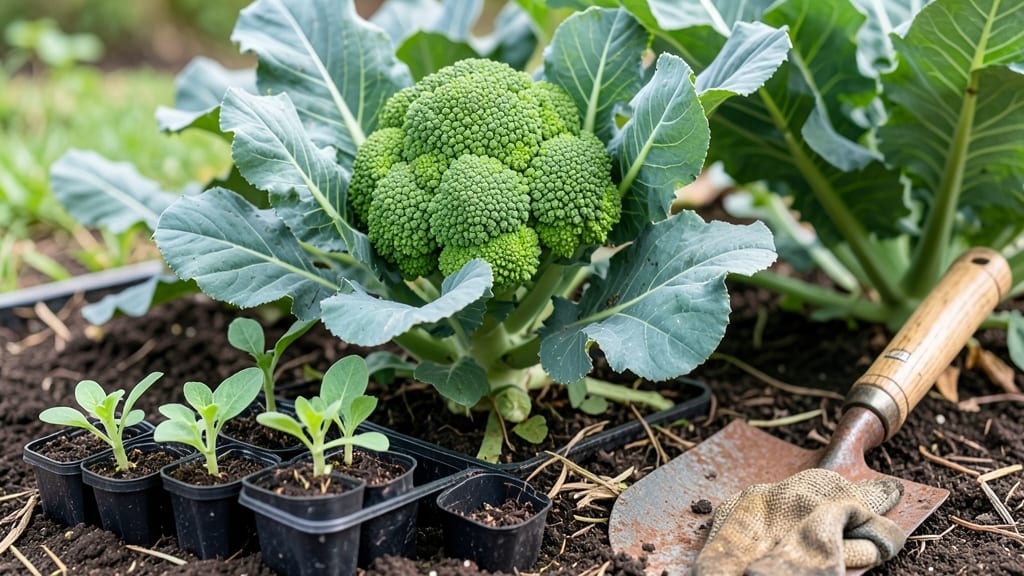
Timing your 🥦 broccoli planting in Iowa isn't just about following a calendar—it's about outsmarting the state's unpredictable swings from frost to heat waves. Plant too early or too late, and you'll end up with bitter, bolted heads that taste more like disappointment than dinner.
The secret lies in those narrow windows between March and April for spring, plus a clever fall strategy to squeeze in a second harvest before winter sets in.
Iowa’s Zone 5a-5b climate demands precision: sow seeds 4-6 weeks before your last frost (usually around April 15) to give plants enough time to mature before summer’s heat triggers bolting. But here’s the twist—if you miss that window, don’t despair.
A late-summer planting in July can still yield a fall harvest, provided you choose heat-tolerant varieties like ‘Waltham 29’ and protect seedlings with row covers.
What sets Iowa gardeners apart isn’t just knowing when to plant—it’s understanding why those dates work. Cool soil temperatures (40°F) are critical for germination, while consistent moisture and afternoon shade during summer’s peak keep plants happy.
Skip the guesswork and use this guide to turn your backyard into a broccoli powerhouse, even when Mother Nature throws curveballs.
Ready to ditch the trial-and-error? I’ll walk you through the exact planting schedule, soil prep secrets, and even how to stretch your harvest with succession planting. Let’s grow that 🥦 broccoli like a pro—no more wasted seeds or sad, bolted plants in sight.
Iowa’s best broccoli planting windows: avoid bolting with these exact dates
Timing is everything when growing broccoli in Iowa. The key is planting when soil temperatures hover between 40°F and 85°F—too cold or too hot, and your plants will either rot or bolt prematurely. Iowa’s Zone 5 climate gives us two prime windows: early spring and late summer.
For spring planting, aim for 4-6 weeks before your last frost date (typically March 15–April 15). This ensures seedlings mature before summer heat triggers bolting. Fall planting should start 8-10 weeks before the first frost (around July 1–August 15) for a late-season harvest.
Iowa’s unpredictable frosts and heat spikes demand precision. Miss the window, and you’ll end up with bitter, flowering stalks instead of tender heads. Let’s break down the exact calendar and variety choices to maximize your success.
| Planting Window | Iowa Dates | Soil Temp | Best Varieties | Harvest Window |
|---|---|---|---|---|
| Early Spring | March 15–April 15 | 40°F–60°F | ‘Waltham 29’, ‘Green Magic’ | June–July |
| Late Summer | July 1–August 15 | 60°F–75°F | ‘De Cicco’, ‘Calabrese’ | September–October |
| Fall Escape | August 15–September 1 | 50°F–65°F | ‘Belstar’, ‘Packman’ | October–November |
Iowa’s spring frost dates can vary 10–14 days from year to year, so always check the Iowa State University Extension’s frost forecast before planting.
For example, in Des Moines (Zone 5b), the average last frost is April 20, but northern Iowa (e.g., Dubuque) may see frost until May 5.
For heat-tolerant varieties, consider ‘Green Goliath’ or ‘Blue Wind’ broccoli, which handle Iowa’s summer heat spikes better than traditional types. These varieties can extend your growing season by 2–3 weeks in late summer plantings.
Pro tip: Start broccoli indoors 4–6 weeks before your target outdoor date. Use grow lights to provide 12–14 hours of light daily until seedlings are 3–4 inches tall with 2–3 true leaves. Harden them off for 5–7 days before transplanting.
If you’re in southern Iowa (Zone 6), you can push your fall planting slightly later—up to September 1—for a harvest before winter sets in. Just monitor soil temperatures closely; broccoli won’t germinate well below 40°F.
Remember, bolting (premature flowering) is your biggest enemy in Iowa’s heat. Plant shade cloth over seedlings during 90°F+ days to keep them cool and prevent bitter flavors. A simple 30% shade cloth can make all the difference.
For a continuous harvest, stagger plantings every 2–3 weeks between March and August. This ensures you’re always enjoying fresh broccoli from your garden, not just one big batch in summer.
How to extend Iowa’s broccoli season: succession planting and cold protection hacks
Iowa’s short growing season means we need to get creative to enjoy fresh broccoli all year. Succession planting and cold protection are my secret weapons for pushing harvests earlier or later.
By staggering plantings and using simple tools, I’ve extended my broccoli season from late spring to early fall—even in Zone 5!
Start by planting every 2-3 weeks from mid-March through early May. This ensures a continuous supply of fresh heads. For fall, begin sowing in late July and continue until early August. The key is timing these plantings so your broccoli matures before Iowa’s first frost around October 15.
Row covers are my go-to for protecting young plants from late frosts. These lightweight fabrics raise soil temperatures by 5-8°F and shield plants from 28°F+ temperatures. I use them until plants are established, then remove them to prevent overheating during summer.
For even earlier harvests, try a cold frame. These simple structures can extend the season by 4-6 weeks in both spring and fall. Place it over seedlings in early spring to accelerate growth, or use it in late summer to protect young plants from unexpected cold snaps.
Heat-tolerant varieties like ‘Waltham 29’ and ‘De Cicco’ are my top picks for Iowa’s summers. These varieties handle 85°F+ temperatures better than standard broccoli, giving you a better chance of success during our hot, humid summers. Plant them in partial shade if possible to prevent bolting.
Don’t forget about mulching! A thick layer of straw or shredded leaves keeps soil cool and moist, which is especially helpful during Iowa’s 90°F+ heat waves. I apply 3-4 inches of mulch around plants to maintain even soil temperatures and reduce watering needs.
Finally, keep an eye on your plants’ progress. If you notice heads forming too quickly, it’s a sign of bolting. In this case, harvest the side shoots for smaller, tastier broccoli instead of waiting for the main head.
With these strategies, you’ll enjoy homegrown broccoli for nearly 6 months of the year!