
Plants
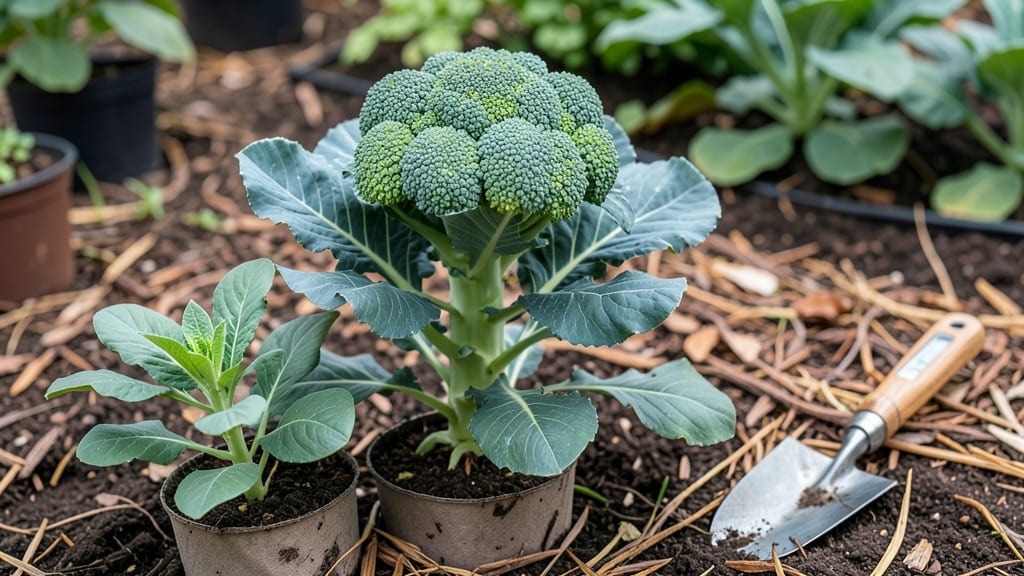
Planting broccoli 🥦 in Massachusetts isn’t just about tossing seeds into the dirt—it’s about outsmarting the unpredictable weather that can turn your garden dreams into a sad, bolting disaster.
Whether you’re a first-time gardener or a seasoned green thumb, getting the timing right means the difference between a bumper crop and a bitter lesson.
Here’s the secret: broccoli thrives in cool weather, but planting too early risks frost damage, while waiting too long sends your plants straight to the floret factory.
In USDA Zone 6a, the sweet spot is early spring (March–April) or late summer (August–September)—just like the pros at the Massachusetts Agricultural Extension recommend.
I’ll break down the exact windows for your location, from coastal breezes to inland heat pockets, so you can plant with confidence. No more guessing games—just a foolproof plan to grow broccoli that’s tender, abundant, and ready to harvest when you need it most.
Ready to turn your garden into a broccoli powerhouse? Let’s dive into the best planting times and tricks to keep your crop happy all season long.
Ideal Massachusetts broccoli planting windows by variety type
Massachusetts’ USDA Zone 6a climate offers two prime windows for broccoli planting: early spring and late summer. The key? Matching your variety to the season’s temperature extremes—cold-hardy types thrive in spring, while heat-tolerant ones excel in fall. Let’s break down the best planting timelines for each.
For spring planting, aim to sow seeds 4-6 weeks before your last frost date (typically mid-April). Coastal areas like Barnstable can start slightly earlier, while inland zones like Worcester may need to wait until late March. Use row covers if nighttime temps dip below 40°F.
Fall planting requires more precision. Start seeds 90-100 days before the first frost (usually mid-September). Varieties like ‘Waltham 29’ or ‘Packman’ handle cooler temps better than ‘Calabrese’, which bolts faster in heat. Plan for harvest before October’s first frost.
| Variety Type | Planting Window | Frost Tolerance | Days to Maturity | Best For |
|---|---|---|---|---|
| Cold-Hardy (e.g., ‘Waltham 29’) | Early March–Mid-April | Survives 25°F with protection | 50–65 days | Spring harvest |
| Heat-Tolerant (e.g., ‘Calabrese’) | Late July–Early August | Bolts at 80°F+ | 60–75 days | Fall harvest |
| Dwarf (e.g., ‘Green Gems’) | April or August | Survives 28°F | 45–55 days | Containers or small gardens |
Pro tip: Soil temperature matters more than air temperature. Use a soil thermometer—broccoli seeds need 40–85°F to germinate. In coastal MA, soil warms faster than inland areas, so adjust planting dates accordingly. For example, Provincetown gardeners can start seeds 2 weeks earlier than those in Pittsfield.
If you’re succession planting for continuous harvests, sow new seeds every 2–3 weeks from March to July. This ensures a steady supply before summer heat sets in. Just remember: Broccoli hates heat—temperatures above 80°F trigger bolting (when it flowers prematurely).
For fall broccoli, consider transplanting seedlings instead of direct sowing. Start seeds indoors in July for August transplants, giving plants a head start before cooler weather arrives. This method works especially well in Zone 6a’s shorter growing season.
Don’t overlook microclimates—your backyard’s exposure can shift planting windows by 1–2 weeks. A south-facing garden warms up faster than a north-facing one. Use frost cloth to extend spring planting by 3–4 weeks if needed.
Finally, harvest timing depends on variety. Cold-hardy types like ‘De Cicco’ mature in 50–60 days, while heat-tolerant ‘Green Magic’ takes 65–75 days. Plan your planting schedule backward from your target harvest date to avoid rushed crops.
With these variety-specific windows, you’ll sidestep MA’s unpredictable springs and early falls, ensuring a bountiful broccoli harvest—no matter where you garden in the state. 🥦
How to time broccoli planting for Massachusetts’ unpredictable weather patterns
Massachusetts’ climate throws curveballs—coastal areas like Cape Cod enjoy milder springs, while inland zones near Worcester face harder freezes. To outsmart these microclimates, I adjust planting dates by 1-2 weeks based on location.
For example, coastal gardeners can start broccoli seeds indoors in late February, while inland growers wait until mid-March to avoid frost damage.
Soil temperature is your best friend here. Broccoli seeds need soil that’s at least 40°F to sprout reliably. Use a soil thermometer to check—if it’s colder, delay planting or use row covers to warm the soil faster.
In my Zone 5b garden, I’ve found that planting outdoors after April 15 (our average last frost date) gives seedlings the best head start.
Don’t forget about historical frost dates—they’re your planting calendar. The USDA’s Massachusetts frost maps show that inland areas can expect frost until mid-October, while coastal regions may stay frost-free until early November.
For fall broccoli, I plant 90-100 days before my first frost, which in my case means late July to early August.
🌱 Numbered Highlights: MA Broccoli Planting Adjustments
- Coastal Areas: Start seeds indoors late February for outdoor transplant by March 15.
- Inland Zones: Wait until mid-March for direct sowing or April 1 for transplants.
- Soil Temp Check: Plant only when soil reaches 40°F+—use row covers if needed.
- Frost Buffer: Add 1-2 weeks to planting dates if your area has late frosts.
- Fall Planting: Aim for 90-100 days before first frost (typically late July-August).
Row covers are my secret weapon for extending seasons. In Zone 6a, I use them to plant broccoli as early as February or as late as early October. Just
Watch for unpredictable heat waves, too. If temperatures climb above 80°F during head formation, broccoli bolts faster than a rabbit in a garden. To combat this, I plant shade-tolerant varieties like ‘De Cicco’ and use drip irrigation to keep soil cool. In my 2022 garden, this strategy added 2 extra weeks of harvestable heads before bolting.
Finally, keep a planting journal to track what works in your microclimate. Note when you planted, soil temps, and any weather anomalies—this data becomes your personalized planting guide over time.
For example, I’ve learned that my north-facing beds stay cooler and can support broccoli 2 weeks longer than my south-facing rows.