Plants
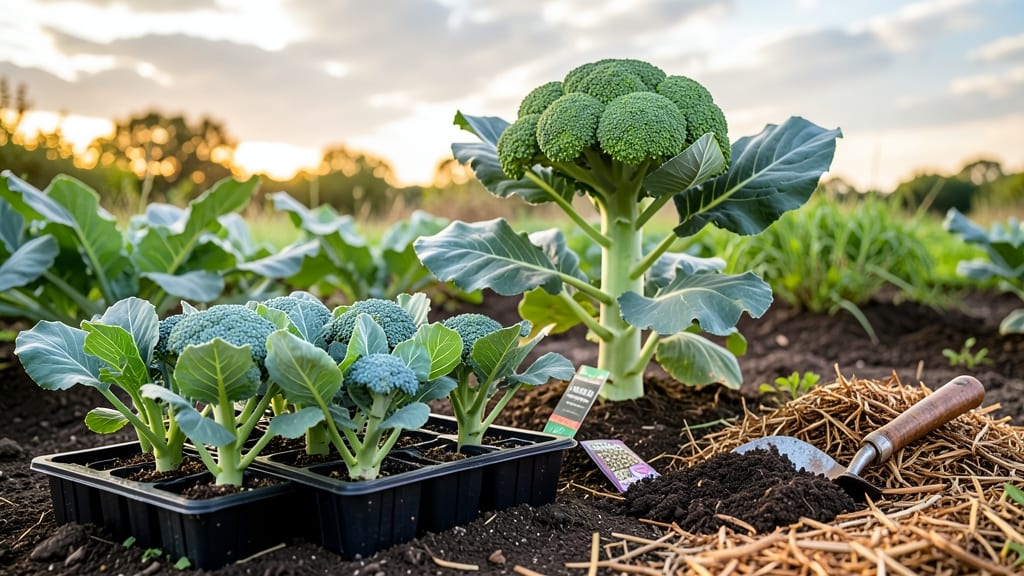
Timing your 🥦 broccoli planting in Utah isn’t just about the calendar—it’s about avoiding the dreaded bolt before your crop even matures.
With Utah’s USDA zones 5-8 and dramatic shifts from alpine chill to desert heat, getting the window right means the difference between a bumper harvest and a sad, flowery disappointment.
Most Utah gardeners know spring is prime time, but did you know late summer can also work? The key lies in understanding your microclimate—whether you’re in the Wasatch Front’s cooler pockets or Southern Utah’s warmer valleys.
Plant too early, and frost will nip your seedlings; too late, and summer’s heat sends your broccoli racing toward seed before you’ve even tasted it.
I’ll walk you through the exact March-April and July-August windows that work for Utah’s diverse regions, plus how to stretch your growing season with simple tricks. No more guessing—just science-backed dates tailored to where you live.
Ready to grow broccoli that’s bold, crisp, and ready to harvest? Let’s dive into the planting schedule that’ll make your garden the talk of the neighborhood.
Utah’s broccoli planting zones: when to start seeds vs. transplants by region
Utah’s four distinct gardening zones create wildly different conditions for broccoli—from the Wasatch Front’s mild winters to Southern Utah’s scorching summers. Timing is everything: plant too early, and your broccoli bolts before forming heads; too late, and summer heat stunts growth.
Let’s break down the optimal planting windows for each zone, including when to start seeds indoors versus direct-sowing outdoors.
First, check your last frost date. Most of Utah falls in USDA Zones 5-8, but elevation shifts frost timelines dramatically. For example, Salt Lake City’s last frost averages April 15, while St. George’s last frost can be as late as March 1.
Use these dates as your anchor, then adjust for your specific microclimate.
🌱
Utah Broccoli Planting Guide by Region
| Zone | Last Frost | Start Seeds Indoors | Direct Sow Outdoors | Fall Planting Window |
|---|---|---|---|---|
| Wasatch Front (Salt Lake City) | April 15 | March 1 - March 15 | April 1 - April 30 | July 15 - August 15 (90 days before first frost) |
| Southern Utah (St. George) | March 1 | February 15 - March 1 | March 15 - April 15 | June 15 - July 15 (longer heat tolerance) |
| Northern Utah (Ogden, Logan) | April 20 | March 15 - April 1 | April 15 - May 1 | July 1 - August 1 |
| High Desert (Price, Moab) | April 10 | March 1 - March 10 | March 20 - April 10 | July 10 - August 10 |
*Adjust dates 1-2 weeks earlier for high-elevation gardens (e.g., Park City) or later for low desert areas (e.g., Cedar City).
For spring planting, start seeds indoors 4-6 weeks before your last frost date. Use grow lights or a sunny windowsill to avoid leggy seedlings. Harden off transplants for 7-10 days before moving them outdoors after the last frost.
In Southern Utah’s warmer microclimates, you can direct-sow as early as mid-February if soil temps stay below 50°F.
Utah’s late summer/fall planting is your second chance for broccoli. Aim to plant 90-100 days before your first frost (typically July-August). This window works best in higher elevations where summer heat isn’t as intense.
In St. George or Spanish Fork, opt for heat-tolerant varieties like ‘De Cicco’ to avoid bolting.
Pro tip: Soil temperature is your best indicator. Broccoli thrives in 45-85°F soil. Use a soil thermometer—if temps exceed 85°F, delay planting until evening shade cools the ground. In Northern Utah’s cooler pockets, you can even try early February sowings under row covers for a jump-start.
🌿
Don’t overlook microclimate tweaks. A south-facing slope in Park City warms up faster than a north-facing valley in Moab. If your garden sits in a hot microclimate, prioritize shade cloth or drip irrigation to keep soil cool.
Conversely, in cold pockets, use black plastic mulch to accelerate soil warming in spring.
Finally, succession planting is key to a continuous harvest. In Utah’s short season, stagger plantings every 2-3 weeks from March through July. This ensures you’re always harvesting fresh broccoli while avoiding overcrowded plants that compete for nutrients.
For fall crops, your last planting should go in by mid-August to mature before frost.
✂️
How to extend Utah’s broccoli growing season: frost-proofing and succession planting
Utah’s short cool season can feel like a race against time for broccoli lovers. The key to fall harvests lies in extending your growing window with smart tactics.
Whether you’re in the Salt Lake Valley or St. George’s desert, these methods will help you push broccoli’s limits while avoiding premature bolting from summer heat or early frost.
Start by staggering your plantings every 2-3 weeks from mid-July through August. This ensures a continuous supply of fresh heads as summer transitions to fall.
For example, plant one batch in late July for a September harvest, then follow with another in early August for October yields—just before the first frost.
🌱 Pro Tip: Use heat-tolerant varieties like ‘De Cicco’ or ‘Calabrese’ for late-summer starts. These varieties handle Utah’s 90°F+ temperatures better than traditional types, reducing the risk of bolting before heads form.
- 📅 Succession Planting: Sow seeds every 2-3 weeks from July to August for staggered harvests.
- 🛡️ Row Covers: Use floating row covers to protect plants from light frosts (28–32°F) and extend harvests into October. Remove covers during the day for pollination.
- 🏠 Cold Frames: Build a low tunnel or cold frame to shield plants from early fall frosts. This adds 2–4 weeks to your harvest window in cooler zones like Cache Valley.
- 💧 Consistent Watering: Keep soil evenly moist (1–1.5 inches/week) to prevent stress-induced bolting. Drip irrigation works best in Utah’s dry climate.
- 🌡️ Microclimate Hack: Plant near south-facing walls or black plastic mulch to absorb heat and delay frost by 1–2 weeks in exposed areas.
For high-elevation gardens (e.g., Ogden or Park City), focus on early planting in late July paired with row covers. In Southern Utah (e.g., St. George), prioritize shade cloth to protect plants from intense summer sun while still allowing fall growth.
Test your soil temperature—broccoli thrives when soil is 45–85°F; anything hotter risks bolting.
Don’t forget to harvest before frost! Broccoli heads left on the plant after a light frost (28–32°F) may turn bitter, but the stems and leaves are still edible.
Cut heads at the base of the stem with a sharp knife, leaving 6-inch stalks to produce side shoots for 2–3 more harvests over 4–6 weeks.
With these tactics, you can enjoy homegrown broccoli from July through November—no matter where in Utah you garden. 🌿