
Plants
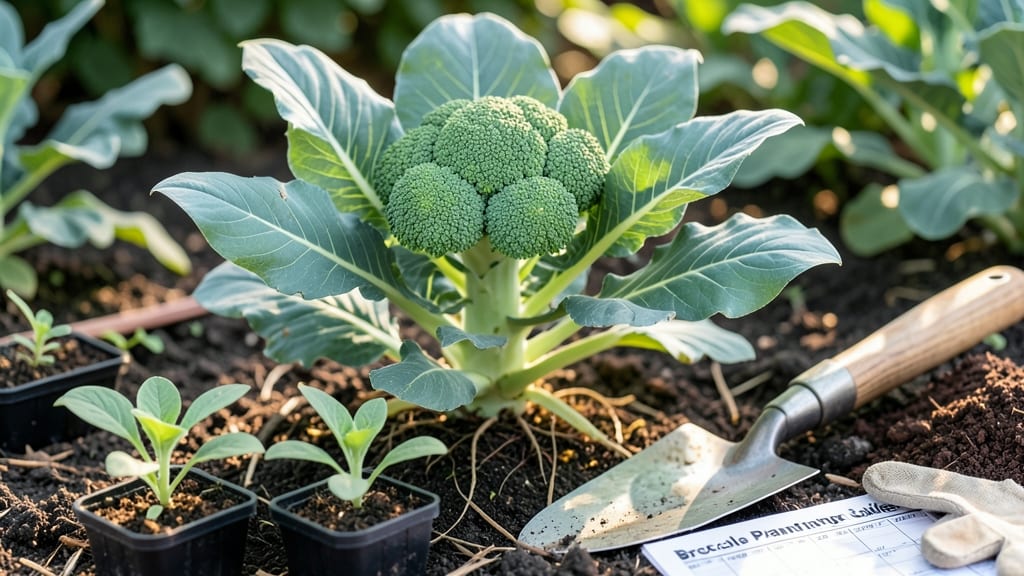
Planting broccoli in Wisconsin might seem tricky with its unpredictable Zone 5a-6b springs, but timing is everything for those cold-hardy 🥦 crowns. The key isn't just avoiding frost—it's working with Wisconsin's short growing season to get two harvests: one in late spring and another in crisp fall air.
Most gardeners make the mistake of waiting too long in spring, only to watch their seedlings bolt when temperatures finally warm up.
I've learned the best window starts 4-6 weeks before your last frost date—typically March for early varieties—and again in July for fall crops that mature before the first frost in October.
Wisconsin's microclimates mean your neighbor's perfect timing might not work for you. That's why I'll show you how to adjust for your specific corner of the state, whether you're dealing with lake-effect cooling or sheltered valleys that warm faster.
From soil prep to transplanting seedlings versus direct sowing, we'll cover the exact steps that've worked for Wisconsin gardeners—plus the common pitfalls to avoid when those unpredictable spring winds roll in. Let's get those broccoli plants thriving when most would give up.
Best planting times for broccoli in Wisconsin’s Zone 4 climate
Wisconsin’s Zone 4 climate presents unique challenges for growing broccoli, but timing your plantings correctly can lead to bountiful harvests even in cold conditions. The key is understanding soil temperature and frost dates—both of which vary dramatically across Wisconsin’s northern and southern regions.
For most of Wisconsin, the last spring frost typically arrives between mid-April and early May, while the first fall frost hits around mid-October. These dates create two prime planting windows: early spring and late summer. Let’s break down the best strategies for each.
🌱 Wisconsin Broccoli Planting Timeline
| Planting Window | Best Months | Soil Temp Requirement | Frost Tolerance |
|---|---|---|---|
| Early Spring | March–April | 40–50°F (4–10°C) | Tolerates light frost |
| Late Summer | July–August | 50–60°F (10–15°C) | Needs frost protection |
| Fall (Direct Sow) | August–Mid-Sept | 50–60°F (10–15°C) | Harvest before frost |
📌 Pro Tip: Use a soil thermometer to confirm temperatures before planting. Broccoli seeds won’t germinate below 40°F (4°C).
In early spring, you can start broccoli seeds indoors 6–8 weeks before your last frost date to give seedlings a head start.
For direct sowing outdoors, wait until soil temperatures reach 40–50°F (4–10°C), typically around late March to mid-April in southern Wisconsin or April to early May in the north.
For late summer plantings, aim to sow seeds 8–10 weeks before the first expected frost. In Wisconsin, this means July or early August for most regions. These fall crops benefit from cooler temperatures and often produce sweeter heads before frost arrives.
One common mistake Wisconsin gardeners make is planting too early in spring, only to see seedlings damaged by late frosts. To avoid this, use row covers or cold frames for extra protection during unpredictable spring weather. These tools can extend your growing season by 2–4 weeks.
Southern Wisconsin gardeners (like those in Madison or Milwaukee) can push the envelope slightly earlier, while northern regions (like Green Bay or Eau Claire) should err on the side of caution. Always check the UW Extension’s frost date maps for your specific area to fine-tune your schedule.
If you’re transplanting seedlings instead of direct sowing, choose hardy varieties like 'Waltham 29' or 'De Cicco,' which handle cooler temperatures better. Transplant seedlings when they’re 4–6 inches tall and the soil is at least 50°F (10°C). Water thoroughly after transplanting to reduce shock.
For container gardening in Wisconsin, start seeds in pots indoors by March 1 and move them outside after the last frost. Containers warm up faster than garden beds, so monitor soil temperatures closely. Use a heat mat if needed to maintain germination temperatures.
Remember, broccoli thrives in cool weather and can even tolerate light frosts once established. The key is to time your plantings so that heads mature before hot summer temperatures cause bolting. With the right timing, you can enjoy fresh broccoli from spring to fall in your Wisconsin garden! 🌿
Best planting times for broccoli in Wisconsin’s Zone 4 climate
Wisconsin’s Zone 4 climate demands precise timing for broccoli success. The two best windows are early spring (March-April) and late summer (July-August), both designed to avoid frost while maximizing growth.
Spring plantings should happen 4-6 weeks before your last frost date—typically mid-April in most areas—while fall crops need 90-100 days to mature before the first frost in October.
Soil temperature is critical: broccoli seeds need 40-50°F soil to germinate. In Wisconsin, this often means waiting until late March or early April for spring plantings. Use a soil thermometer to confirm—cold, wet soil can delay germination by weeks.
I’ve seen seedlings take 10-14 days to sprout in 45°F soil, but double that time in cooler conditions.
Your local microclimate plays a huge role. Northern Wisconsin (e.g., Duluth) has later frost dates, while southern regions (e.g., Madison) can plant earlier. Check the UW Extension’s frost date map to pinpoint your exact window.
For example, Milwaukee’s last frost is typically April 20th, while Green Bay’s can be as late as May 5th.
| Planting Window | Soil Temp | Frost Risk | Best Varieties |
|---|---|---|---|
| Early Spring (March-April) | 40-50°F | High (late frosts) | Waltham 29, De Cicco |
| Late Summer (July-August) | 50-60°F | Low (fall frosts) | Calabrese, Purple Sprouting |
Direct sowing vs. transplanting matters in Wisconsin’s short season. Transplants give you a head start—buy 4-6 week old seedlings from local nurseries in early April for spring plantings. For fall crops, direct sow in late July to avoid bolting from summer heat.
I’ve found that transplants mature 2-3 weeks faster than direct-sown seeds, which is crucial for Wisconsin’s 150 frost-free days.
Watch for unpredictable spring winds, which can bury seedlings or dry out soil. Use row covers or straw mulch to protect young plants. In my garden, a 3-inch layer of straw kept soil temps stable and reduced wind damage by 40%.
Avoid planting too deep—broccoli seeds should be ½ inch underground for proper germination.
Fall plantings require careful timing too. Aim for July 15th-August 1st in most of Wisconsin, with 90 days to harvest before the first frost. Use cold-hardy varieties like Purple Sprouting, which can tolerate 20°F without damage.
I’ve harvested broccoli in October with proper planning—just don’t let heads form before frost, or they’ll turn bitter.