Plants
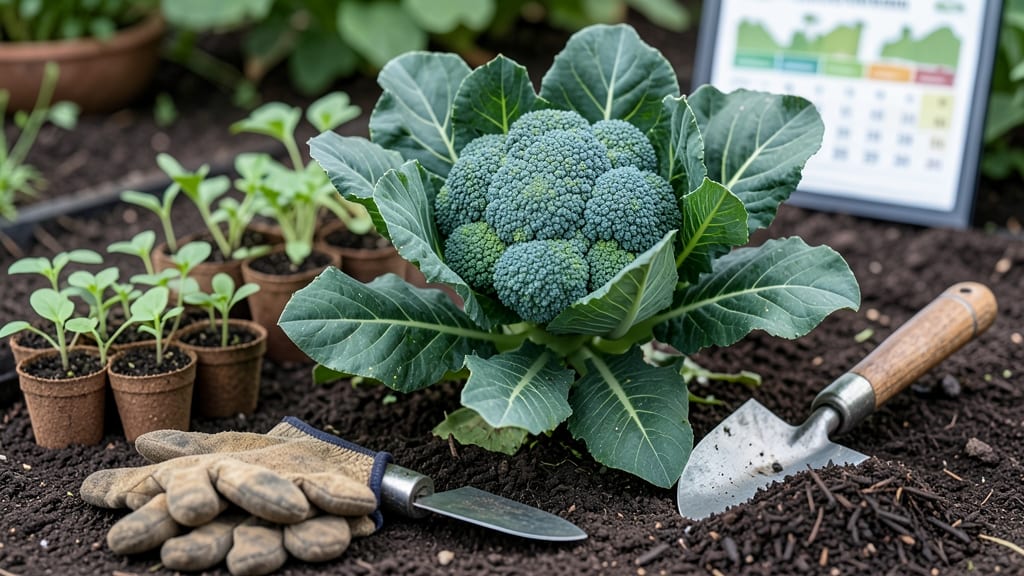
Knowing when to plant broccoli in Zone 6b can mean the difference between a thriving garden and a disappointing harvest. With the right timing, you'll enjoy crisp, flavorful 🥦 heads all season long—but get it wrong, and you might end up with bitter-tasting or stunted plants.
Zone 6b's climate presents unique challenges, from unpredictable frost dates to summer heat that can stress broccoli plants. Whether you're a first-time gardener or a seasoned grower, understanding these factors is key to planning your planting schedule effectively.
In this guide, I’ll walk you through the ideal planting windows for both spring and fall, including how to adjust for your specific last frost date. You’ll also discover which broccoli varieties thrive best in your zone and how to extend your harvest season with simple techniques.
Ready to grow the best broccoli your garden has ever seen? Let’s get started with the essentials you need to know before you even pick up your trowel.

Zone 6b frost dates & broccoli planting windows explained
In Zone 6b, where average last frost dates fall around April 15 and first frosts arrive by October 15, timing your broccoli planting is critical.
This cool-season crop thrives when soil temperatures hover between 45°F and 85°F, making early spring and late summer the sweet spots for planting. Miss these windows, and you risk bolting (premature flowering) or stunted growth from heat stress.
For spring planting, aim to sow seeds 4-6 weeks before your last frost date—typically late February to early March in Zone 6b. Fall plantings should occur 8-10 weeks before the first frost, landing you in late July to early August.
These deadlines ensure your broccoli matures before summer’s heat or winter’s chill set in.
Broccoli varieties also play a role in timing. Fast-maturing varieties (50-60 days) like 'De Cicco' give you flexibility, while slower growers (65+ days) like 'Calabrese' need earlier starts. Understanding these nuances helps you align planting with your local microclimate and frost patterns.
Soil temperature is just as critical as frost dates. Broccoli seeds struggle to germinate below 45°F, while soil above 85°F triggers bolting. Use a soil thermometer to confirm readiness—planting too early in cold soil can delay germination by weeks.
In Zone 6b, this often means waiting until mid-March for spring plantings.
Pro tip: Extend your growing season with row covers or cold frames to protect early spring plantings from late frosts. These tools can push your last frost date back by 2-3 weeks, giving your broccoli more time to establish before summer heat arrives.
Just remove covers during the day once temperatures rise above 75°F.
For fall harvests, prioritize varieties with disease resistance like 'Belstar' or 'Purple Sprouting', which handle cooler temps better. Plant these 8-10 weeks before your first frost (around early August in Zone 6b) to ensure a harvest before winter sets in.
Mulch heavily to insulate roots and protect against early frosts.
Remember, Zone 6b’s climate can vary by 1-2 weeks from year to year. Always check your local almanac or frost calendar for precise dates. Adjust planting windows by 1 week earlier or later based on your area’s trends to avoid common pitfalls like bitter-tasting heads or premature bolting. 🌱
Spring vs fall planting: which works better in Zone 6b?
Deciding whether to plant broccoli in spring or fall in Zone 6b depends on your climate goals and patience. Both seasons offer advantages, but each comes with trade-offs that can make or break your harvest.
Let’s break down the pros and cons to help you choose the best strategy for your garden.
Spring planting gives you a head start with longer daylight hours and warmer soil, but it also means racing against summer heat. Fall planting, on the other hand, avoids the bolting risk from early warmth and often yields sweeter, more tender heads.
The key is understanding how to leverage each season’s strengths while mitigating its weaknesses.
Spring planting is ideal if you want to harvest early and can commit to consistent care. However, planting too soon risks bolting—when broccoli flowers prematurely due to heat stress. Fall planting, meanwhile, thrives in cooler temperatures, reducing stress and extending your harvest window.
Spring Planting
- Longer daylight hours
- Higher yields if planted early
- Better for heat-tolerant varieties
- Risk of bolting if planted too early
- Limited window before summer heat
- Requires consistent watering
Fall Planting
- Cooler temps reduce bolting risk
- Extended harvest window
- Less pest pressure
- Shorter daylight may slow growth
- Frost-sensitive varieties need protection
- Soil prep timing critical
For spring planting, aim to sow seeds 4-6 weeks before your last frost date (typically mid-March in Zone 6b). Use row covers or shade cloth to protect seedlings from late frosts and extend the season.
Varieties like Calabrese or Green Magic handle heat slightly better than others, making them good choices for late spring.
If you prefer fall planting, start seeds 8-10 weeks before your first frost (around mid-August in Zone 6b). Use cold-hardy varieties like Waltham 29 or De Cicco, and consider mulching to insulate roots from early frosts.
A lightweight row cover can also buy you extra weeks of harvest before winter sets in.
Pro tip: Succession planting works well for both seasons. In spring, sow a second batch 2-3 weeks after your first planting to stagger harvests. In fall, repeat the process 4-6 weeks before your first frost to ensure a continuous supply of fresh broccoli.
Ultimately, the best choice depends on your goals. If you want early harvests, go for spring. If you prefer sweeter, cooler-season crops with less stress, fall planting is your best bet. Either way, soil prep and consistent moisture are non-negotiable for success in Zone 6b.