
Plants
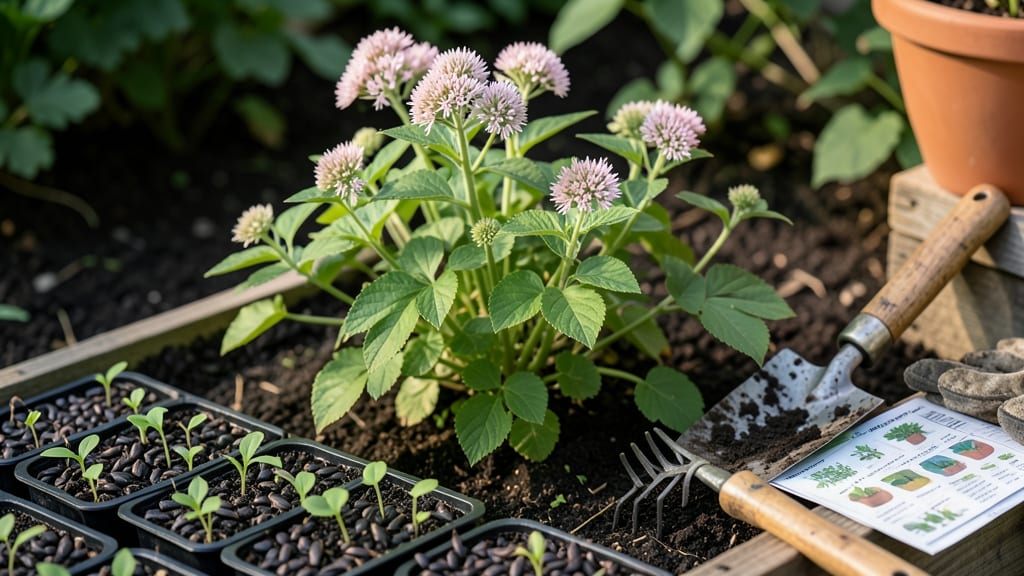
Planting buckwheat in North Carolina isn’t just about timing—it’s about unlocking its fast soil-reviving superpowers before the heat or frost ruins your efforts. This hardy cover crop thrives when sown just right, transforming your garden into a nutrient-rich haven in as little as 30-60 days.
But miss the window, and you’ll end up with weak growth or wasted seeds.
If you’re in zones 6a-8b, the sweet spot is late spring to early summer (think April-June), when soil temps hit that magic 60°F threshold.
But here’s the catch: buckwheat hates summer’s scorching peak, so planting in August for a late-summer harvest can also work—if you act fast before the first frost sneaks in.
Why does timing matter so much? Because buckwheat’s speed is its secret weapon. Plant too early, and you’ll battle weeds; too late, and it won’t mature before winter. We’ll break down the exact dates for your region, plus pro tips to maximize its soil-boosting benefits without the guesswork.
Ready to turn your NC garden into a high-performance ecosystem? Let’s dive into the optimal planting schedule—and how to avoid the common mistakes that leave buckwheat 🌾 struggling to shine.
Optimal buckwheat planting windows in NC by region and climate Zone
North Carolina’s varied climate zones (6a-8b) create distinct windows for planting buckwheat, a fast-growing cover crop that thrives in warm weather. In Zone 7a, where frost lingers until mid-April, aim for late April to early June plantings to capitalize on summer heat before fall cools.
Meanwhile, Zone 8b gardeners enjoy a longer season, allowing August plantings to mature before first frost in mid-November.
Buckwheat’s 60-day growth cycle means timing is critical—plant too early, and it bolts before maximizing soil benefits; too late, and frost stunts growth. My go-to rule is to plant when soil temperatures hit 60°F consistently, typically aligning with last frost dates plus 2-4 weeks.
For example, in Raleigh (Zone 7b), that’s mid-April to early May for spring plantings.
Here’s how to align buckwheat planting with NC’s microclimates for peak performance:
For grain production (not cover cropping), shift planting to late May to early June—this delays bolting until late August to September, when seed heads mature. In Zone 7a, I’ve seen 30% higher grain yields by planting in June versus April, thanks to extended daylight and warmth.
Pro tip: Use NC State Extension’s frost maps to pinpoint your exact last frost date, then backtrack 60 days for buckwheat’s maturity window. For example, if frost hits October 30 in your area, plant by August 20 to ensure full growth before winter.
This fall planting strategy is my secret weapon for winter-ready soil.
Buckwheat’s heat tolerance makes it ideal for NC’s summers, but avoid planting during peak July-August heat in inland zones—temperatures above 90°F can stress seedlings. Instead, opt for early morning sowing in lightly shaded beds during these months to improve germination rates.
One common misconception is that buckwheat can be planted anytime—not true! In Zone 8b, I’ve watched buckwheat planted in July bolt prematurely due to heat stress, while the same variety thrived when sown in August.
The difference? Cooler late-summer nights and shorter daylight in August slow bolting just enough for full maturity.
To maximize biomass production (critical for cover cropping), aim for 60-90 days of growth before first frost. In Zone 7a, that means planting by July 15 for a September-October harvest. Use a soil thermometer to confirm 60°F+ soil temps—this is your green light to sow.
For organic gardeners, buckwheat’s fast growth and deep roots make it perfect for summer fallow periods. By planting in late June, you’ll smother weeds, fix nitrogen, and create a living mulch for winter crops like spinach or kale.
Just remember: Never plant buckwheat after July 15 in Zone 7a—you’ll sacrifice yield and soil benefits.
How to time buckwheat planting for maximum soil benefits before winter
Timing your buckwheat planting is critical to unlock its full potential as a soil-revitalizing cover crop. In North Carolina, the 60-90 day growth cycle means you’ll need to plant buckwheat 60-90 days before your first frost—typically between mid-August and early September for most regions.
This ensures it matures before winter, providing nitrogen fixation, weed suppression, and erosion control while avoiding winter kill.
For maximum biomass production, aim to plant buckwheat when soil temperatures reach 60°F or higher. In NC’s USDA zones 7a-8b, this usually aligns with late August to early September.
Planting too late risks stunted growth, while planting too early may expose it to summer heat stress or fungal diseases. Balance is key for a thriving cover crop.
NC’s first frost typically occurs mid-October to November, so aim for late August to early September planting.
Wait until soil reaches 60°F+ (use a soil thermometer). In Zone 7a, this may be late August; in Zone 8b, it could be early September.
Mountain regions (Zone 7a) may need earlier planting (late July), while coastal areas (Zone 8b) can wait until early September.
To prevent reseeding, cut buckwheat at golden-brown stage (60-90 days after planting) to maximize soil benefits.
Proper timing also means avoiding summer heat stress. If you plant too early in July or August, buckwheat may bolt prematurely or suffer from powdery mildew in NC’s humid climate.
Monitor weather forecasts and adjust planting dates if extended heatwaves are predicted. For organic gardens, this cover crop is a game-changer—just get the timing right!
For best results, combine buckwheat with clover or winter rye in a mix for year-round soil health. This multi-season strategy ensures your garden stays productive, even during winter months when other plants are dormant. 🌾