
Plants
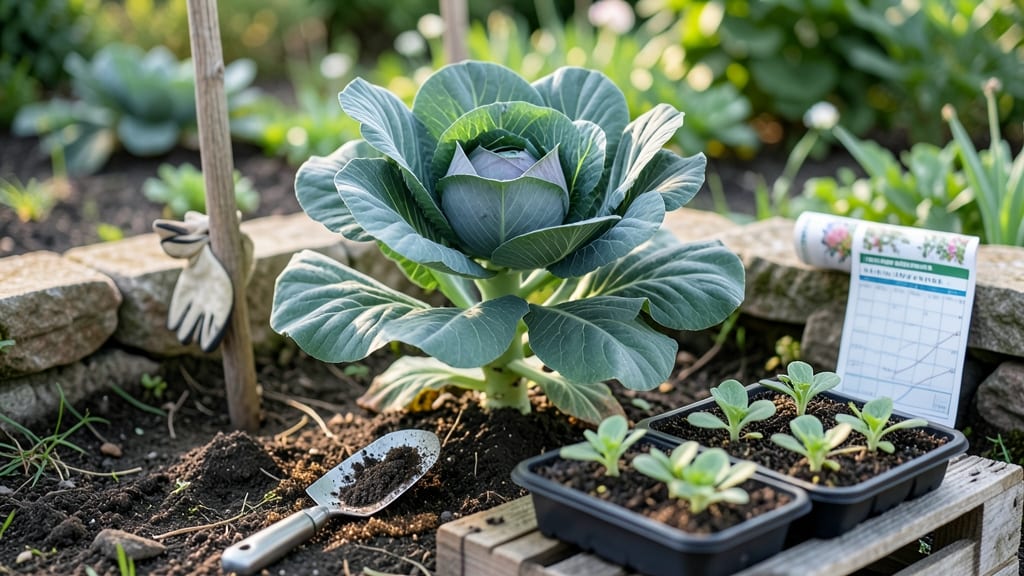
If you've ever watched your 🥬 cabbage plants bolt into bitter flowers instead of sweet heads, you know timing is everything in Illinois' unpredictable climate.
The difference between a thriving harvest and wasted effort often comes down to planting at the right moment—whether that's the cool shoulder of spring or the crisp air of early fall.
For Illinois gardeners in zones 5b-6b, getting the timing wrong can mean bolting, stunted growth, or even total crop failure.
But here's the good news: with just a few key dates and microclimate awareness, you can lock in perfect planting windows that work for your specific corner of the state.
I'll walk you through exactly when to plant—whether you're starting seeds indoors or dropping them directly into the soil—plus how to adjust for northern Illinois' cooler springs or southern Illinois' earlier last frosts.
You'll learn the 3 critical windows that separate success from disappointment, and how to avoid the most common mistakes that turn cabbage dreams into bolting disasters.
Ready to grow heads so firm they'll last through winter storage? Let's dive into the precise planting schedule that'll have your cabbage thriving when most gardeners are pulling their hair out over failed crops.
Illinois cabbage planting calendar by microclimate Zone
Illinois' diverse climate—from Zone 4-5 in the north to Zone 6-7 in the south—means your cabbage planting timeline should match your microclimate. Northern Illinois gardeners face earlier frosts, while Southern Illinois can push planting later.
I’ll break down the exact windows for both spring and fall planting, so you avoid bolting and maximize your harvest.
For all Illinois regions, soil temperature is your best friend. Cabbage seeds need 40-50°F soil to germinate, while transplants thrive in 50-60°F soil. In Northern Illinois, aim for mid-March to early April for direct sowing or late March to mid-April for transplants.
Southern Illinois can start 2-3 weeks earlier due to warmer microclimates.
Spring planting is your goldmine for cabbage, but timing is critical. Plant too early, and frost will kill seedlings. Too late, and bolting (premature flowering) becomes a risk as days lengthen. My rule? 4-6 weeks before your last frost date for direct sowing, or 3-4 weeks before for transplants. In Central Illinois (Zone 5-6), that’s typically late March to early May.
Here’s the visual breakdown of your Illinois cabbage planting calendar, tailored to each microclimate zone:
| Zone | Spring Planting Window | Fall Planting Window | Last Frost Date | Bolting Risk |
|---|---|---|---|---|
| Northern IL (4-5) | Mid-March to early May | Late July to early August | April 15 | High (late May) |
| Central IL (5-6) | Late March to mid-May | Early August to mid-August | April 22 | Moderate (late May) |
| Southern IL (6-7) | Early April to late May | Mid-August to early September | April 29 | Low (late June) |
Don’t overlook fall planting—it’s your secret weapon for winter harvests in Illinois. Start seeds 10-12 weeks before your first frost (typically late July to early August in Northern Illinois and mid-August to early September in the south).
Fall cabbage thrives in cooler weather and often produces sweeter, tighter heads than spring-planted varieties.
Pro tip: Use shade cloth in late summer to protect seedlings from intense Illinois heat, which can stress young plants. I’ve had the best luck with 30% shade cloth during afternoon heatwaves (90°F+). This small step can mean the difference between bolting and perfect heads.
If you’re seed-starting indoors, begin 6-8 weeks before your last frost date. Use grow lights or a sunny windowsill, and harden off seedlings for 7-10 days before transplanting. In Northern Illinois, this means starting seeds by mid-February, while Southern Illinois can wait until early March.
Remember: Soil prep is non-negotiable. Cabbage loves well-draining, nitrogen-rich soil with a pH of 6.5-6.8. Amend your beds with compost or aged manure before planting, and consider a balanced fertilizer (10-10-10) at transplanting. This ensures your cabbage has the nutrients it needs to bolt-proof its growth.
For direct sowing, space seeds 12-18 inches apart in rows 24-36 inches apart. Thin seedlings to 12-18 inches apart once they’re 3-4 inches tall. This spacing gives cabbage heads room to plump up without competing for resources, reducing stress and bolting risks.
Finally, succession planting is your ticket to a continuous harvest. In Illinois, sow new seeds every 2 weeks from mid-March to mid-June for spring, and again from late July to early August for fall.
This staggered approach ensures you’re always harvesting fresh cabbage instead of facing a glut (or worse, bolting) all at once.
With these microclimate-specific windows, you’ll dodge bolting, beat Illinois’ unpredictable weather, and enjoy crisp, homegrown cabbage all season. Happy planting! 🥬
How to avoid cabbage bolting in Illinois heat
Illinois summers can turn your cabbage into bitter-tasting, bolted disappointment if you're not careful. Bolting happens when cabbage plants sense heat stress and rush to flower—ruining those perfect heads you worked so hard for. The key? Preventative action before soil temperatures climb above 75°F.
First, focus on soil temperature, not air temperature. Cabbage thrives when soil stays below 70°F. Use a soil thermometer to check—if it’s creeping up, it’s time to act. Shade cloth (30-50%) is your best friend during June-July heat waves.
Even a few hours of afternoon shade can make all the difference.
Next, variety selection matters more than you think. Heat-tolerant varieties like ‘Golden Acre’ or ‘Red Express’ handle Illinois summers better than standard green cabbage. These varieties mature faster (55-65 days) and bolt less easily when temperatures spike.
For fall planting, aim for varieties like ‘Early Jersey Wakefield’—it’s bolt-resistant and perfect for Illinois’ shorter growing season.
Watering deeply but infrequently is another game-changer. Cabbage needs 1 inch of water weekly, but shallow watering encourages weak roots that can’t handle heat. Use drip irrigation or soaker hoses to keep moisture at the root zone without wetting the leaves.
Water in the early morning to prevent fungal diseases that thrive in humid Illinois summers.
Don’t forget about mulching! A 2-3 inch layer of straw or grass clippings keeps soil cool and retains moisture. This is especially critical in Zone 5-6 areas where heat pockets form.
For container-grown cabbage, move pots to shadier spots during peak afternoon heat—even a few feet of difference can prevent bolting.
Finally, harvest promptly once heads form. Cabbage left too long in the heat will bolt faster. If you see the outer leaves yellowing or the head starting to loosen, pick it immediately.
And if all else fails, succession plant! Stagger your spring and fall plantings to ensure a continuous harvest before the heat sets in.