
Plants
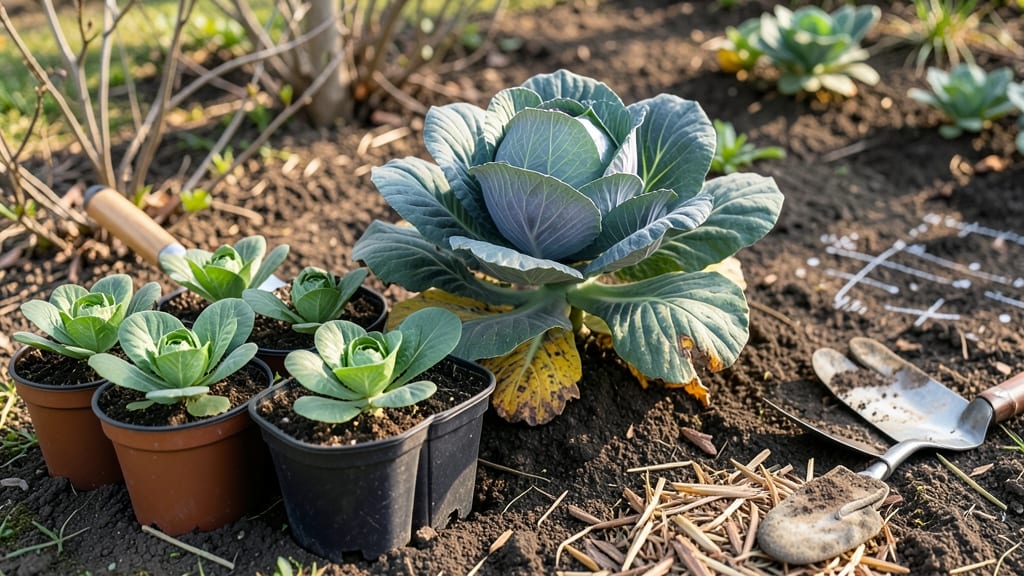
Timing your cabbage planting in Indiana isn’t just about following a calendar—it’s about outsmarting the 6a zone’s tricky frost dates and heat spikes. Plant too early, and your 🥬 heads bolt before you can harvest; too late, and frost steals your crop.
The secret? A two-season strategy that plays to Indiana’s climate, from cool spring starts to heat-tolerant fall varieties.
Most gardeners here swear by the mid-March to early April window for spring cabbage, but Purdue Extension’s frost data shows that last frost can vary by 10 days across the state.
That’s why I’ll break down the exact weeks to plant—plus how to adjust for early or late varieties—to ensure your cabbage matures before summer’s heat sends it to seed.
Fall planting is where things get interesting. While many skip it, late July to early August sowings can yield sweeter heads by October or November—if you pick the right varieties and protect them from early frost.
I’ll share the 3 key adjustments that make fall cabbage in Indiana a reliable harvest, not a gamble.
Ready to turn your garden into a cabbage powerhouse? Let’s dive into the frost-date cheat sheet and variety hacks that’ll keep your 🥬 growing strong, whether you’re in northern or southern Indiana.
Indiana cabbage planting calendar: exact frost dates by region
Indiana’s frost dates vary dramatically from north to south, making precise timing critical for cabbage success. The average last frost date in northern Indiana (like Fort Wayne) is around April 15, while southern Indiana (Evansville) sees frost end by April 1.
These differences mean your planting window shifts by 2-3 weeks depending on location.
For spring cabbage, start seeds indoors 6-8 weeks before your last frost date. Transplant seedlings outdoors 4-6 weeks before the last frost—typically mid-March to early April in most of Indiana. This timing ensures heads form before summer heat triggers bolting (premature flowering).
Fall cabbage requires even more precision. Plant seeds 10-12 weeks before the first frost (usually late July to early August) to harvest before winter sets in. Northern Indiana’s first frost typically arrives by October 15, while southern regions may extend harvests until November 1.
🌱
| Region | Last Frost Date | Spring Planting Window | Fall Planting Window |
|---|---|---|---|
| Northern IN (Fort Wayne) | April 15 | Mid-March to early April | Late July to early August |
| Central IN (Indianapolis) | April 5 | Late February to mid-March | Early July to mid-August |
| Southern IN (Evansville) | March 25 | Late February to early March | June 15 to July 15 |
Use Purdue Extension’s frost maps for your exact location—Indiana’s microclimates can shift planting windows by 1-2 weeks. For example, Lake Michigan’s moderating effect on northern Indiana may delay frost by 7-10 days compared to inland areas.
Pro tip: Succession planting every 2 weeks in spring and fall extends harvests. Start with early varieties like ‘Early Jersey Wakefield’ (58 days to maturity) for spring, then switch to late-season types like ‘Badger Shipper’ (85 days) for fall.
Soil temperature matters too—cabbage seeds need 40°F+ soil to germinate. Use a soil thermometer to confirm readiness, especially in cool, wet springs that delay planting.
🌡️
For container gardening, adjust timing by 1-2 weeks earlier—pots warm up faster than soil. Place containers in south-facing spots and use black plastic mulch to raise soil temperature 5-10°F above ambient.
Remember: Indiana’s unpredictable weather means flexibility is key. Have row covers ready for late frosts, and monitor 7-day forecasts before transplanting seedlings.
How to avoid bolting: temperature and variety hacks for Indiana’s climate
Indiana’s summer heat can turn your cabbage into a bitter, bolted mess if you’re not careful. The key to avoiding bolting is choosing the right varieties and adjusting planting times to match your microclimate.
Heat-tolerant varieties like ‘Golden Acre’ and ‘Red Express’ are my go-to picks for Indiana gardens—they handle 85°F+ temperatures better than standard types.
For spring plantings, aim to harvest before June 15, when daytime temps consistently exceed 80°F. If you’re planting in late May or June, use shade cloth (30-50%) to protect young plants from afternoon sun.
I’ve seen shade cloth extend the growing season by 2-3 weeks in my Zone 6a garden.
Fall plantings are trickier—you want to avoid late summer heat while still giving heads time to mature before frost. Start seeds indoors in late June and transplant outdoors by mid-July for a late fall harvest.
Varieties like ‘Early Jersey Wakefield’ mature in just 55-60 days, making them perfect for Indiana’s short fall season.
- 🌡️ Pick heat-tolerant varieties: ‘Golden Acre’ or ‘Red Express’ handle 85°F+ better than standard types.
- ⏰ Time plantings for harvest before June 15 (spring) or October 1 (fall).
- 🛡️ Use shade cloth (30-50%) for late spring/early summer plantings to reduce stress.
- 💧 Water deeply in morning to keep soil consistently moist (1 inch weekly).
Another trick I swear by is succession planting in 2-week intervals from March to July. This ensures a steady harvest before summer heat sets in.
For example, plant one batch in early April (harvest by June), another in mid-May (harvest by July), and a final batch in late June (harvest before August heat peaks).
If you notice your cabbage plants sending up flower stalks, act fast! Cut the bolts off at the base and focus on side shoots—they’ll often regrow into smaller, edible heads.
This “second chance” method has saved my 🥬 harvests more times than I can count in Indiana’s unpredictable summers.
Finally, mulch heavily with straw or grass clippings to keep soil temps stable. I’ve seen mulched beds stay 5-10°F cooler than bare soil, which delays bolting by 1-2 weeks. Pair this with drip irrigation for consistent moisture, and you’ll outsmart Indiana’s heat every time.