
Plants
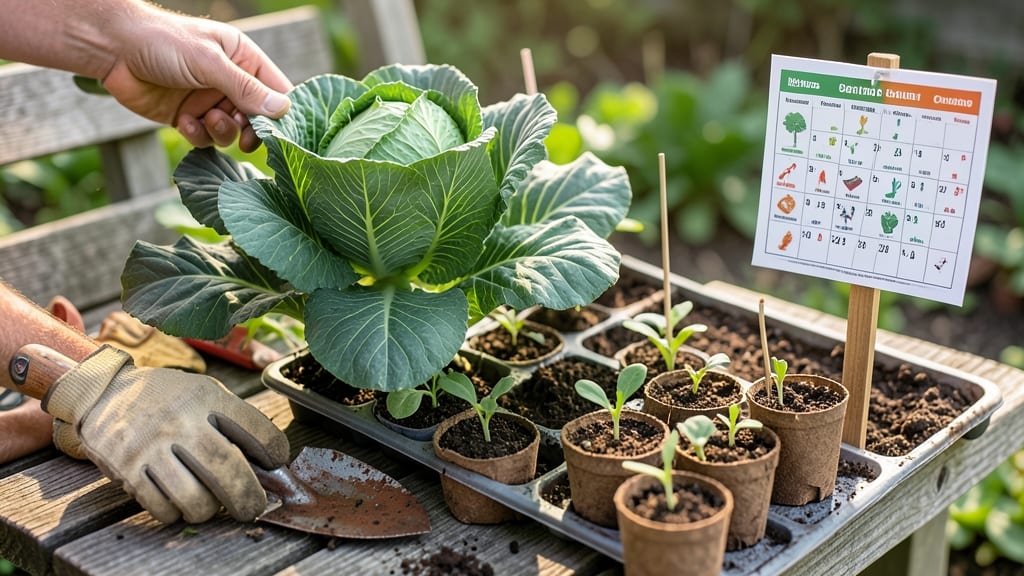
Timing your 🥬 cabbage planting in Maryland can make or break your harvest—get it wrong, and you'll end up with bitter, bolted plants before summer even arrives.
Maryland's 7a-7b climate gives you two prime windows, but knowing exactly when to plant (and when to avoid it) is the key to success.
Most gardeners in Maryland focus on spring planting, but fall crops often produce sweeter heads with less pest pressure. The secret lies in working with frost dates—planting 4-6 weeks before your last frost (around April 15) ensures strong seedlings before summer heat hits.
But here's the catch: if you plant too early, cold soil can stunt growth, while late planting risks bolting before harvest.
I'll break down the exact planting calendar for Maryland's microclimates, including when to start seeds indoors versus transplanting seedlings. You'll learn how to adjust for unpredictable spring weather and which cabbage varieties handle Maryland's heat best. Let's get your garden set up for a bumper crop without the guesswork.
Whether you're a first-time gardener or a seasoned pro, these frost-date strategies will help you avoid common mistakes. By the end, you'll know exactly when to plant for June-July spring harvests and October-November fall crops—plus how to extend your growing season with simple tricks.
Ready to grow cabbage like a Maryland pro?
Maryland cabbage planting zones by frost dates (avoid bolting)
Maryland’s USDA zones 7a-7b create unique challenges for growing cabbage. The key to avoiding bolting (when cabbage flowers prematurely) is planting at the right time—4-6 weeks before your last frost date for spring or 100-120 days before the first frost for fall.
But Maryland’s microclimates mean frost dates vary by region, so let’s break it down.
In Western Maryland (like Frederick or Hagerstown), the average last frost date is around April 15, but cooler valleys can delay it by a week. On the Eastern Shore (like Salisbury), frost lingers longer—sometimes until April 25.
Meanwhile, Baltimore’s urban heat island can push last frost dates to April 10 in some areas.
Here’s the critical frost-date calendar for Maryland cabbage planting:
Cabbage is a cool-season crop, so soil temperatures matter just as much as air temperatures. Aim to plant when soil is at least 45°F—any warmer, and you risk bolting. Use a soil thermometer to check before planting, especially in Western Maryland’s warmer microclimates.
For spring planting, focus on early-maturing varieties (like ‘Early Jersey Wakefield’) to harvest before summer heat sets in. In fall, opt for mid-season varieties (such as ‘Golden Acre’) to ensure heads form before frost.
Late varieties (like ‘Savoy King’) may struggle in Maryland’s short growing season unless planted early enough.
Pro tip: If you’re in Zone 7b (like parts of Baltimore County), consider succession planting every 2 weeks in spring to stagger harvests. This spreads out your risk and ensures a steady supply of fresh cabbage.
One common mistake Maryland gardeners make is planting too late in spring. By May, soil temperatures often exceed 70°F, triggering bolting within weeks. If you miss the spring window, don’t despair—fall planting is just as productive, provided you start seeds indoors in July for transplanting in August.
Remember, Maryland’s humidity can also stress cabbage plants. To combat this, choose disease-resistant varieties and space plants 18-24 inches apart for airflow. This simple step reduces the risk of black rot and other fungal issues common in our climate.
🌱
How to adjust planting for Maryland’s unpredictable spring weather
Maryland’s spring weather can be as fickle as a whimsical breeze—one day warm enough for shorts, the next bringing a surprise frost that threatens your 🥬 cabbage seedlings.
The key to success lies in adapting your planting timeline to protect young plants from late frosts while avoiding the heat that triggers bolting. I’ve learned the hard way that rigid planting dates don’t work here; flexibility is your best tool.
Start by monitoring local frost forecasts from sources like the Maryland Department of Agriculture. While the average last frost date hovers around April 15, Western Maryland (like Frederick County) can experience frost as late as May 1, while the Eastern Shore often warms up earlier.
Adjust your planting window accordingly—planting too early risks stunted growth from cold soil, while late planting may leave you scrambling before summer heat arrives.
Here’s my foolproof strategy: stagger your plantings in two-week intervals from late March through mid-April. This ensures a steady supply of mature plants ready for transplanting as soon as the soil warms to 50°F (10°C).
For extra protection, use row covers or cold frames to shield seedlings from unexpected cold snaps. I’ve seen gardeners in Baltimore extend their spring season by weeks this way.
⚠️ Watch for These Bolting Warning Signs
Premature bolting is your worst enemy in Maryland’s heat. If you notice yellowing leaves, stretched stems, or flower stalks forming, your cabbage is bolting—usually due to:
- Heat stress (temperatures above 75°F (24°C))
- Daylength changes (longer summer days trigger flowering)
- Stress from transplant shock or poor soil
Prevention tip: Choose heat-tolerant varieties (like ‘Golden Acre’) and mulch heavily to keep roots cool. If bolting starts, harvest the leaves first—they’re still edible!
For gardeners in colder microclimates like Cumberland, consider using black plastic mulch to warm the soil faster. This can shave off 2-3 weeks from your planting timeline by raising soil temperatures by 5-10°F (3-6°C).
I’ve seen it work miracles for late-starting gardens. Pair this with succession planting—sow a new batch every 2 weeks until early May—to ensure a continuous harvest.
Don’t overlook the power of shade cloth during Maryland’s sweltering June heat. Once your cabbage reaches 4-6 inches tall, drape 30-50% shade cloth over seedlings to block excessive sunlight. This simple trick can buy you 2-3 extra weeks of growing time before bolting becomes inevitable.
I’ve used it with great success in my Annapolis garden to push harvests into early July.
Finally, keep an eye on your soil moisture levels. Maryland’s spring showers can be deceptive—what looks like plenty of rain might actually be too much, leading to root rot.
Aim for 1-2 inches of water per week, delivered in the morning to reduce fungal risks. A drip irrigation system is my go-to for consistent moisture without overwatering.