
Plants
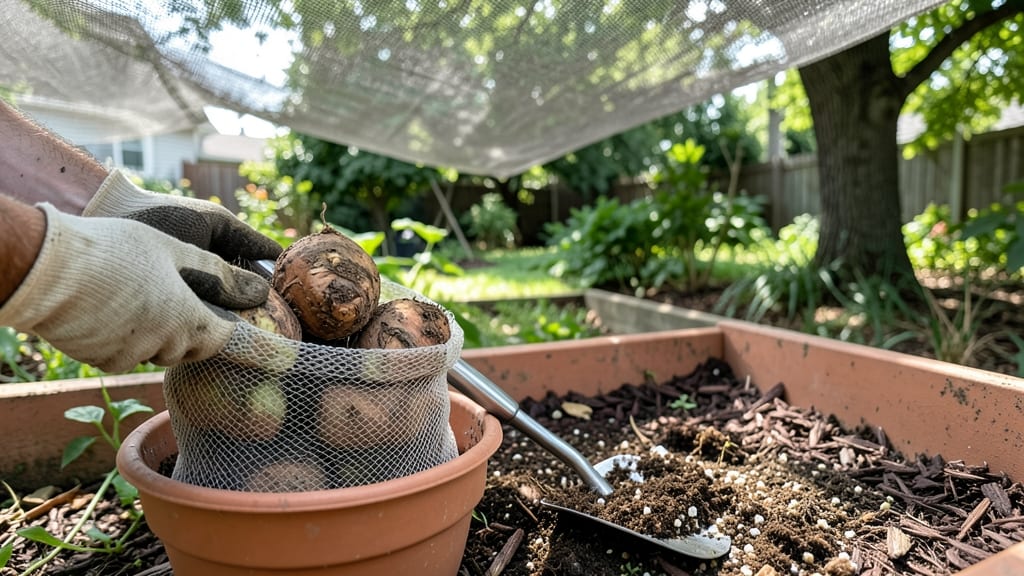
If you're dreaming of bold, tropical foliage that thrives in North Texas' scorching summers, timing your caladium bulb planting just right is the secret weapon.
These stunning plants—with their heart-shaped leaves in vibrant pinks, reds, and whites—need warmth to truly shine, and planting them too soon can leave you with sad, wilted 🌿 instead of show-stopping displays.
Most gardeners in USDA Zone 8a wait until after the last frost, usually in April or May, when soil temperatures consistently hit 65°F. But here's the catch: rushing them into cold ground can stunt growth, while delaying too long might mean missing peak foliage season.
The key is balancing patience with the right conditions—moist, well-draining soil and gentle afternoon shade to protect their delicate leaves.
What sets caladiums apart is their love for heat, making them perfect for North Texas' long summers. Whether you're planting in containers for patios or directly in garden beds, the timing matters just as much as the care afterward.
I'll walk you through the exact steps to get your caladiums off to a vibrant start—so you can enjoy their dramatic beauty from early summer until the first frost.
Ready to transform your garden into a lush, colorful oasis? Let's dive into the heat-loving schedule that'll have your caladiums thriving all season long—no guesswork required.
North Texas caladium planting timeline: month-by-month heat zone guide
Timing your caladium bulbs for North Texas means working with the region's USDA Zone 8a climate, where last frost typically occurs around March 15 and summer heat arrives aggressively by May.
The key window for planting is when soil temperatures consistently hit 65°F—usually mid-April through May—to ensure robust growth before the brutal Texas summer.
Caladiums are heat-loving tubers, not true bulbs, and they need warmth to break dormancy. Planting too early in cool soils can cause rot, while waiting too long might delay their stunning foliage until late summer.
For best results, aim to have your tubers in the ground 4-6 weeks before peak summer heat—typically by early May in most of North Texas.
Here’s the breakdown of your month-by-month planting schedule, including soil prep, transplant timing, and care adjustments for container vs. in-ground planting:
| Month | Soil Temp | Action | Notes |
|---|---|---|---|
| March | 50-60°F | Prep soil, test moisture | Amend clay soil with compost; avoid planting. |
| April | 60-65°F | Start tubers indoors (if early) | Use grow lights; transplant out after last frost. |
| May | 65-75°F | Plant outdoors (ideal) | 4-6" deep, mulch heavily for moisture. |
| June | 75-90°F | Monitor watering, fertilize | Deep water weekly; avoid overhead watering. |
| July-Aug | 85-100°F | Protect from intense sun | Use shade cloth; prune leggy growth. |
For container gardening, you can plant tubers slightly earlier (late March) in pots kept indoors under grow lights, then move them outside after Memorial Day. Containers dry out faster, so use well-draining mixes with added perlite to prevent rot.
In-ground plantings benefit from a thick mulch layer (3-4 inches) to retain moisture and regulate soil temperature.
North Texas’ summer humidity is a double-edged sword—it helps keep soil moist but also encourages fungal diseases. Space tubers 12-18 inches apart for airflow, and avoid planting in low-lying areas where water pools.
If your garden gets intense afternoon sun, opt for east-facing beds or provide afternoon shade with lattice screens.
Pro tip: Mark your calendar for early November, when caladiums begin dormancy. Before the first frost (usually mid-November), carefully dig up tubers, dry them in a cool, dark place, and store them in paper bags with minimal moisture until next spring.
This preserves their vigor for next year’s bold foliage.
By following this timeline, your caladiums will burst into color just as North Texas’ summer heat settles in—giving you months of tropical beauty with minimal fuss. The secret? Patience, proper soil prep, and a little shade love during peak heat.
Signs your North Texas soil is ready for caladium bulbs (and what to do if it’s not)
Before you rush out to plant your caladium bulbs, North Texas' unpredictable soil can throw a wrench in your plans. The key is waiting for soil temperatures to reach at least 65°F—any cooler, and your bulbs will rot before they even sprout.
I’ve learned the hard way that testing soil temp with a simple soil thermometer (available for under $10) is non-negotiable in our region.
Another critical sign? The ground should feel warm to the touch about 2-3 inches deep. If it’s still chilly, even after daytime heat, your bulbs will struggle. Clay-heavy Texas soils also need attention—amending with organic compost or peat moss improves drainage, which caladiums crave to prevent root rot.
🌱 Pro Tip: Press your finger into the soil—if it crumbles easily and feels moist (but not soggy), it’s ready. If it’s rock-hard or dry, hold off until after a good rain or thorough watering.
⚠️ Warning: Don’t Plant in Cold Soil!
Caladium bulbs hate cold. Planting in soil below 60°F triggers rot. In North Texas, this usually means waiting until mid-April or later, depending on your microclimate.
🔍 Test First: Bury a thermometer for 24 hours to get an accurate reading.
If your soil is too alkaline (common in Texas), aim for a pH between 6.0 and 6.5. You can lower pH with sulfur or pine needles, but test first—over-acidifying can harm other plants.
For containers, use a well-draining potting mix with added perlite to mimic the airy conditions caladiums love.
One mistake I see often? Skipping the mulch layer. After planting, cover the soil with 2-3 inches of mulch (like shredded bark) to retain moisture and regulate temperature. This is especially crucial in North Texas’ swinging summer temps, where afternoon heat can dry out soil quickly.
Finally, watch for puddling or standing water after rain—caladiums despise soggy roots. If your yard drains poorly, consider raised beds or containers. With the right prep, your bulbs will shoot up in 2-3 weeks, rewarding your patience with showstopping foliage all season.