
Plants
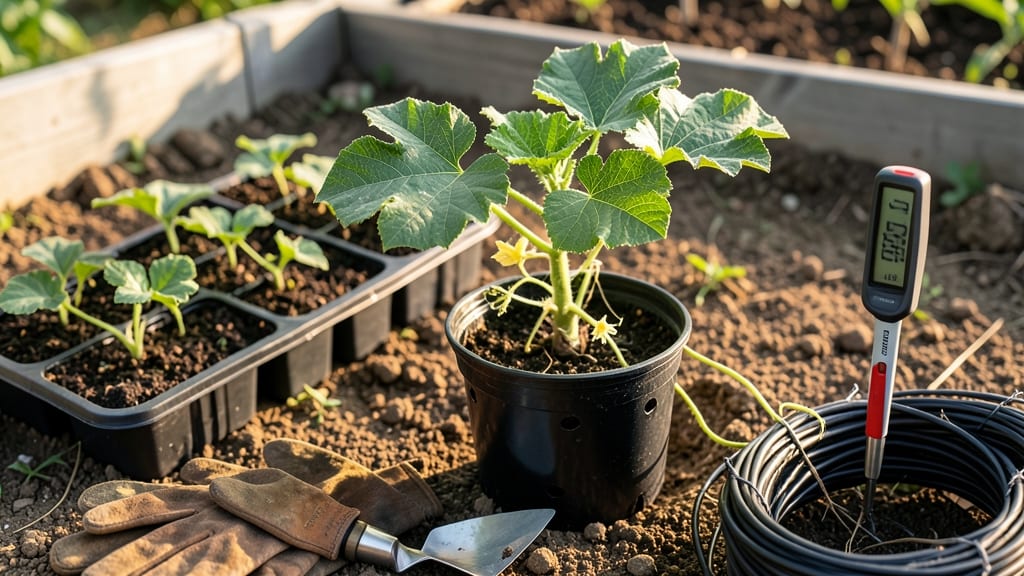
Planting cantaloupe in Oklahoma isn’t just about throwing seeds in the dirt—it’s about timing them perfectly to beat the unpredictable spring frost while giving your 🍈 vines enough heat to thrive.
One wrong move, and you could end up with wilted seedlings or bitter fruit instead of the sweet, juicy harvest you crave.
If you’ve ever wondered why your cantaloupe plants struggle to take off, the answer likely lies in soil temperature and frost-free deadlines. Oklahoma’s 6b-7b zones demand patience—waiting until mid-April to early May ensures your seeds germinate properly and your plants mature before summer’s peak heat arrives.
But here’s the kicker: even with the right window, microclimates across the state mean your neighbor’s success might not match yours. I’ll break down exactly when to start seeds indoors, when to transplant outdoors, and how to adjust for early or late plantings so you don’t miss a single opportunity.
Ready to grow cantaloupes that rival the ones at the farmers’ market? Let’s dive into the heat-tolerant varieties and foolproof strategies that’ll turn your Oklahoma garden into a cantaloupe powerhouse—no guesswork required.
Oklahoma’s frost-free deadlines: when to start cantaloupe seeds indoors vs. outdoors
Oklahoma’s USDA Zones 6b-7b mean cantaloupe thrives in our long, hot summers—but only if you time planting perfectly. The key is balancing frost risk in spring with soil warmth requirements (seeds need 70°F+ to germinate).
In northern Oklahoma, last frost typically hits mid-April, while southern regions see frost-free conditions by early April. This creates a 3-phase planting window that maximizes your harvest before summer heat peaks.
For northern Oklahoma (e.g., Oklahoma City, Tulsa), start seeds indoors 3-4 weeks before your last frost (around March 15-20). Transplant seedlings outdoors after May 1, once soil temps consistently stay above 65°F.
Southern Oklahoma growers (e.g., Lawton, Altus) can push this timeline 2 weeks earlier, starting seeds indoors by March 1 and transplanting by April 15.
Direct sowing outdoors is riskier but works if you’re patient and prepared. Wait until mid-May in northern regions and early May in the south, when soil temps reliably hit 70°F+. Use black plastic mulch to warm the soil faster and protect young plants from late frosts.
🌱 Oklahoma Cantaloupe Planting Timeline
| Stage | Action | Northern OK | Southern OK |
|---|---|---|---|
| Indoor Start | Sow seeds | March 15-20 | March 1-5 |
| Transplant Ready | Hardened seedlings | April 25-May 1 | April 10-15 |
| Outdoor Planting | Transplant or direct sow | After May 1 | After April 15 |
| Harvest Window | Peak ripeness | July-August | June-July |
💡 Pro Tip: Use a soil thermometer to confirm 70°F+ before planting—cantaloupe seeds won’t germinate in cooler soil!
If you’re pushing the envelope for an earlier harvest, consider using row covers or a low tunnel to protect seedlings until late April. Remove covers once plants are established (4-6 inches tall) to avoid heat stress.
For late varieties, you can also direct-sow in early June—these will mature just as summer heat peaks, yielding sweeter fruit.
Microclimates matter in Oklahoma. If you’re in a warmer microclimate (e.g., near a lake or urban heat island), you may safely plant 1-2 weeks earlier. Conversely, high-elevation areas (e.g., Oklahoma’s Wichita Mountains) should delay planting by 10-14 days to avoid frost.
Once planted, cantaloupe vines spread aggressively, so give them 3-4 feet of space in all directions. Use trellises or cages if space is limited, but be aware that cantaloupes grow best on the ground for optimal flavor and ripening.
Mulch heavily with straw or grass clippings to retain moisture and regulate soil temperature—critical in Oklahoma’s swinging summer temps.
Don’t forget to monitor your plants daily after flowering. Cantaloupes have a 60-90 day maturity window, so if you plant too late (after June 1), you’ll likely miss the sweetest fruit before fall frosts arrive.
Aim for a July-August harvest in northern Oklahoma and June-July in the south for peak sweetness.
For extended harvests, stagger plantings by 2 weeks. Start your first batch in early May, then follow with 2-3 more plantings every 10-14 days. This ensures a continuous supply of ripe cantaloupes throughout the summer—just in time for picnics and farmers' markets!
Best heat-tolerant cantaloupe varieties for Oklahoma’s climate & how to choose them
Oklahoma’s intense summer heat and drought-prone conditions demand cantaloupe varieties that thrive under pressure. The right variety can mean the difference between a bountiful harvest and wilted vines—especially when daytime temps soar past 90°F.
I’ve grown cantaloupes here for years, and these top 5 heat-tolerant varieties consistently deliver sweet, ripe fruit despite our unpredictable springs and scorching summers.
When selecting a variety, prioritize disease resistance, drought tolerance, and early maturity to beat Oklahoma’s short growing season. For example, ‘Athena’ matures in just 70 days, giving you an edge if you plant late.
Meanwhile, ‘Hale’s Best’ handles our clay-heavy soils better than most, making it a favorite among local gardeners.
Here’s how to match the right variety to your Oklahoma microclimate—whether you’re in dry western regions or humid southeastern zones. Each option balances sweetness, yield, and survival skills in extreme heat.
| Variety | Days to Maturity | Heat Tolerance | Drought Resistance | Best For |
|---|---|---|---|---|
| Athena | 70 | Excellent | Moderate | Late starts, short seasons |
| Hale’s Best | 80 | Very High | High | Clay soils, high heat |
| Minnesota Midget | 75 | Good | Moderate | Small gardens, containers |
| Ambrosia | 85 | High | Good | Humid southeast OK |
| Crimson Sweet | 90 | Moderate | Low | Well-drained soils |
For western Oklahoma’s dry heat, I recommend ‘Hale’s Best’—it thrives in sandy or clay soils and resists cracking, a common issue in our erratic summer rains. In contrast, southeastern Oklahoma’s humidity favors ‘Ambrosia’, which handles fungal pressure better than most varieties.
Pro tip: If you’re in USDA Zone 7b (like Oklahoma City), start with ‘Athena’ or ‘Minnesota Midget’ for a guaranteed harvest before summer’s peak. These varieties also work well in container gardens, perfect for urban gardeners with limited space.
Just ensure your pots have drainage holes and use lightweight potting mix to prevent root rot in the heat.
Finally, avoid ‘Muskmelon’ types unless you’re willing to babysit them—Oklahoma’s heat stresses them quickly. Stick to the varieties above, and you’ll enjoy homegrown cantaloupes from July through September, even in our most brutal summers. 🌱