
Plants
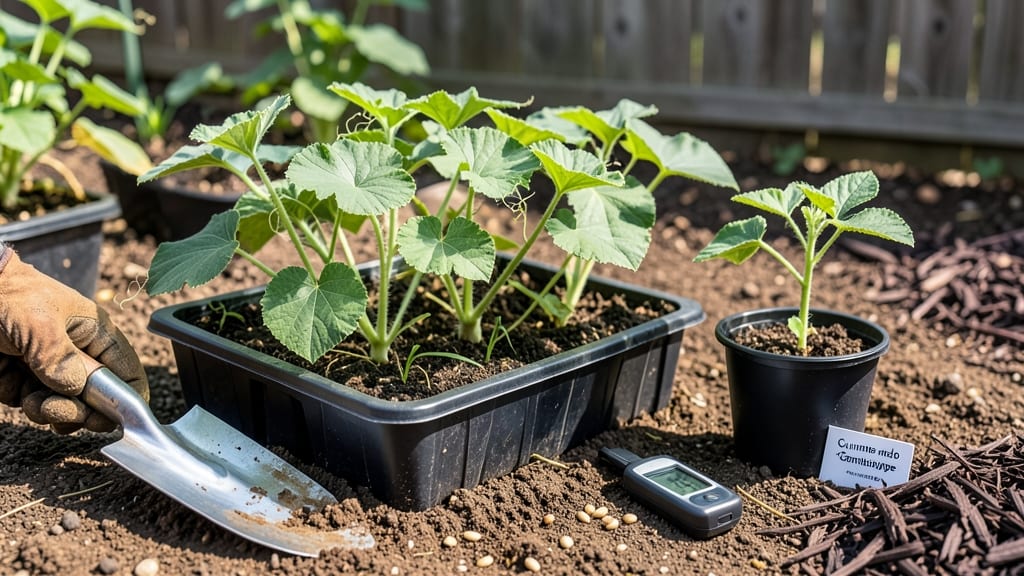
Timing your cantaloupe planting in Zone 6 isn't just about waiting for spring—it's about catching that sweet spot between frost and scorching heat. Plant too early, and your seeds will rot in cold soil; too late, and you might miss the fast harvest window before fall sets in.
The key? Soil that's warmed to at least 70°F, usually 2-4 weeks after your last frost date.
I've learned the hard way that rushing 🍈 cantaloupe into the ground too soon leads to slow, uneven germination—or worse, seeds that never sprout.
But with the right tricks—like black plastic mulch or row covers—you can trick the soil into warming up weeks faster, giving your vines a head start.
Whether you're a first-time gardener or a seasoned pro, getting this timing right means the difference between a handful of bitter melons and a bounty of sweet, ripe fruit.
Most gardeners in Zone 6 aim to plant cantaloupe between late May and early June, but your exact window depends on local microclimates. Some swear by starting seeds indoors 4-6 weeks before transplanting, while others prefer direct sowing once the soil is toasty.
I'll break down both methods so you can pick what works best for your garden—and your schedule.
Beyond timing, spacing and companion plants play a huge role in maximizing your harvest. Cantaloupe vines need room to sprawl, and the right neighbors (like radishes or beans) can boost growth while deterring pests.
Let's dive into the game-changer tips that'll help your cantaloupe thrive from seed to sweet, vine-ripened perfection.

Optimal planting dates for cantaloupe in Zone 6 based on soil temperature
In Zone 6, cantaloupe seeds need soil temperatures above 60°F to germinate, but ideal growth starts at 70°F+. Since spring frosts linger until mid-April to early May, timing is everything. Planting too soon risks rot or slow germination, while waiting too long may shorten your harvest window.
Most Zone 6 gardeners aim for late May to early June for direct sowing, aligning with the last frost date. However, soil temperature—not calendar dates—should dictate your schedule. A soil thermometer is your best friend here, as air temperature can mislead you.
For transplants, start seeds indoors 4-6 weeks before your last frost date (around mid-April). Harden off seedlings and transplant them after soil warms to 70°F, typically late May. This gives vines time to establish before summer heat peaks.
If you're chasing a fall harvest, consider early June planting for varieties with shorter maturity (like 'Ambrosia'). These may ripen by late August or September before the first frost. Just be prepared for smaller yields compared to summer plantings.
| Stage | Action | Soil Temp Requirement | Zone 6 Window |
|---|---|---|---|
| Seed Starting (Indoors) | Sow seeds 4-6 weeks before last frost | N/A (indoor) | Mid-April |
| Transplant Outdoors | Move seedlings after soil hits 70°F | 70°F+ | Late May |
| Direct Sowing | Plant seeds after last frost | 60°F+ (70°F+ ideal) | Late May - Early June |
| Fall Harvest Attempt | Plant early June for short-season varieties | 70°F+ | Early June |
| Harvest Window | 75-90 days after planting | N/A | Mid-August - Late September |
Pro tip: Use black plastic mulch to raise soil temperature by 5-10°F faster. Lay it down 2-3 weeks before planting to create a warmer microclimate. This trick lets you plant 2-3 weeks earlier than usual without risking cold soil.
For Zone 6b (colder microclimates), err on the side of late planting. The 100-day growing season for cantaloupe leaves little room for error. Prioritize fast-maturing varieties like 'Athena' (70 days) over traditional types that need 90+ days.
Always check your local frost dates—they can vary by 1-2 weeks even within Zone 6. Websites like the National Weather Service or Almanac provide hyper-local data. Pair this with your soil thermometer for foolproof timing.
Remember: Cantaloupes hate cold feet. If your soil stays below 60°F for more than a week after planting, germination slows dramatically. Patience and preparation now mean sweet, ripe melons later—not moldy seeds or bitter fruit.
Optimal planting dates for cantaloupe in Zone 6 based on soil temperature
Zone 6’s unpredictable spring frosts make timing critical for cantaloupe success. Unlike heat-loving tomatoes, cantaloupes demand soil temperatures of 70°F+ to germinate—otherwise, seeds rot in cold, damp earth.
My rule? Wait until mid-May at the earliest, after your last frost date, but always verify with a soil thermometer (not air temperature!).
Direct sowing is best in Zone 6, but if you’re transplanting starts, harden them off first. Seedlings struggle when moved to cool soil, so wait until nighttime temps stay above 55°F. Pro tip: Use biodegradable pots for transplants to avoid root shock when planting.
🌱 Cantaloupe Planting Timeline for Zone 6
| Stage | Action | Soil Temp |
|---|---|---|
| Prep Beds | Add compost; remove weeds | N/A |
| Direct Sow | Plant 1" deep, 3-4 seeds per hill | 70°F+ |
| Germination | Keep soil moist; expect sprouts in 5-10 days | 70°F+ |
| Thin Seedlings | Leave 1-2 strongest plants per hill | 65°F+ |
| Harvest | Pick when stem slips easily | N/A |
For a fall harvest, try planting a second crop in early July—just ensure vines mature before first frost (typically mid-October in Zone 6). Late plantings risk small, underripe fruit, but varieties like ‘Ambrosia’ handle cooler nights better than standard types.
If your spring is extra chilly, extend the season with row covers or cold frames until soil warms. I’ve seen cantaloupe seeds sprout in 60°F soil with a little help, but growth slows dramatically below 65°F. Patience pays off—rushing leads to blossom-end rot or stunted vines.
Pro move: Mark your calendar for June 15th as the last safe direct-sowing date in most of Zone 6. By then, soil temps reliably hit 70°F, and vines have 100+ days to fruit before frost. Track your local microclimate—urban areas warm faster than rural spots!