
Plants
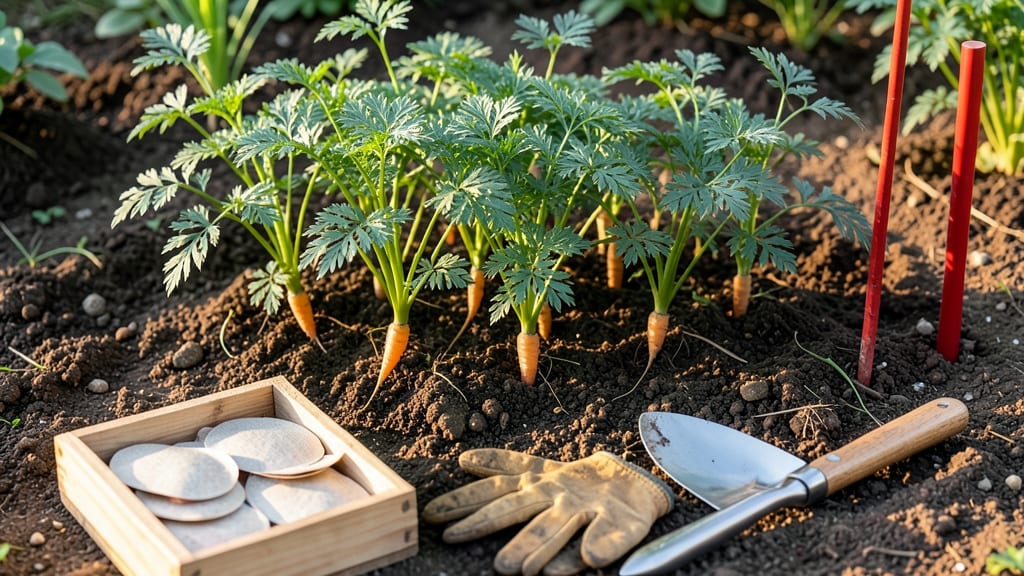
When to plant carrots in East Texas matters more than you think—get it wrong, and you’ll battle heat stress or stunted growth. The key isn’t just planting in February or July; it’s understanding how your local microclimate plays a role, from the cooler hills of North Texas to the flatter, hotter South.
If you’ve ever planted carrots only to watch them bolt in the summer heat or rot in soggy spring soil, you’re not alone. The secret lies in choosing the right heat-tolerant varieties and adjusting your schedule based on frost dates that can shift by weeks between regions.
Let’s break down exactly when to plant for a steady harvest—no guesswork involved.
Most gardeners in USDA Zone 8a focus on two main windows: early spring and late summer. But what if you want to extend your harvest? I’ll show you how succession planting and simple soil tricks can give you fresh carrots from April through November, even in this challenging climate.
Ready to stop playing the planting lottery? By the end of this guide, you’ll know exactly when to drop those seeds for flavorful, straight roots—plus the varieties that thrive where others fail. Let’s get those carrots growing the right way.
Best planting windows for carrots in East Texas by season
East Texas gardeners face unique challenges with its hot summers and mild winters, but timing your carrot planting right can mean the difference between crisp, sweet roots and bitter, stunted failures.
The key is to plant when soil temperatures stay below 85°F and avoid the peak summer heat that stresses carrots.
Carrots thrive in cool weather and prefer soil temperatures between 55°F and 75°F. In East Texas, this means focusing on early spring and late summer/fall plantings. Let’s break down the best windows for each season to maximize your harvest.
🌱 Did You Know? East Texas' USDA Zone 8a allows for two main planting windows: February-March for spring harvests and July-August for fall harvests. Timing these correctly avoids the brutal summer heat that can cause carrots to bolt or develop woody textures.
| Season | Planting Window | Soil Temp Requirement | Harvest Window | Key Considerations |
|---|---|---|---|---|
| Spring | February - March | 55°F - 75°F | April - June | Avoid planting after March 15 (last frost date). Use row covers for early plantings. |
| Summer (Fall Prep) | July - August | 60°F - 70°F (after heat subsides) | October - November | Plant in shaded areas or use shade cloth to protect from late summer heat. |
| Fall | September (for late fall harvest) | 65°F - 75°F | November | Use mulch to maintain soil moisture and protect from early frosts. |
| Winter (Cold-Hardy Varieties) | October - November (for overwintering) | 50°F - 60°F | January - February | Choose cold-resistant varieties like 'Danvers' and use row covers for protection. |
For spring plantings, start seeds indoors in late January to get a head start, then transplant outdoors after the last frost (March 15). This gives your carrots a 60-80 day growing season before summer heat sets in.
If you miss this window, don’t despair—succession planting every 2-3 weeks ensures a steady harvest.
In East Texas' North vs. South microclimates, timing can vary slightly. Northern areas (closer to USDA Zone 7b) may have cooler springs and earlier frosts, while southern regions (near Zone 9a) can push spring plantings into early April.
Always check your local frost dates and adjust accordingly.
To prepare your soil for planting, focus on loose, well-draining conditions. East Texas soils are often clay-heavy, which can cause carrots to fork or split.
Amend with compost or sand to improve texture. A soil test will help you determine if you need to adjust pH levels (ideal range: 6.0-7.0).
Watering is critical during the first 2 weeks after planting to ensure seeds germinate properly. Keep soil consistently moist but avoid waterlogging, which can lead to rot.
Once established, carrots are drought-tolerant but will produce sweeter roots with regular watering. In summer plantings, water deeply in the early morning to reduce evaporation.
If you’re aiming for a year-round supply of carrots, plan for succession planting. Start with spring plantings in February, then follow up with July-August seeds for fall harvests.
For a winter harvest, try September plantings of cold-hardy varieties. With these strategies, you can enjoy fresh carrots from April through February!
Top 5 heat-tolerant carrot varieties for East Texas gardens
East Texas summers can push 75°F+ soil temperatures, making traditional carrot varieties bolt or split. But these 5 heat-tolerant varieties thrive in our climate while delivering sweet, crisp roots. I’ve tested them in Tyler and Longview—here’s what worked best.
First, Danvers Half Long earns top marks for its bold flavor and disease resistance. This heirloom handles 90°F+ heat better than most, though it prefers loose soil to prevent forking. Perfect for fall harvests when temps dip.
Nantes carrots are my go-to for urban gardens with rocky soil. Their rounder shape resists splitting, and they mature in just 55-60 days—ideal for succession planting in late summer. Try 'Paris Market' for a mini version.
The Chantenay variety, like 'Red-Cored Chantenay', thrives in heavy clay soils common in East Texas. Its taproot shape holds up better in heat, and the red centers add visual appeal to salads.
For summer planting, 'Solar Yellow' is a game-changer. This yellow heirloom tolerates 95°F+ heat and stores well for winter harvests. Its sweet, nutty flavor rivals spring-grown carrots.
Lastly, 'Rainbow Mix' offers colorful options (purple, yellow, orange) that all handle heat. The shorter varieties in this blend work well in raised beds, where soil stays cooler.
🥕 Heat-Tolerant Carrot Variety Comparison
| Variety | Days to Maturity | Heat Tolerance | Best For | Soil Preference |
|---|---|---|---|---|
| Danvers Half Long | 70-80 days | High (90°F+) | Fall harvests | Loose, well-drained |
| Nantes (Paris Market) | 55-60 days | Moderate (85°F) | Succession planting | Rocky/urban |
| Chantenay (Red-Cored) | 65-70 days | High (90°F+) | Heavy clay | Compacted soil |
| Solar Yellow | 60-70 days | Very High (95°F+) | Summer storage | Well-drained |
| Rainbow Mix | 60-75 days | Moderate (85°F) | Raised beds | Loose soil |
🌱 Pro Tip: Always soak seeds for 24 hours before planting to improve germination in hot soil.
When selecting seeds, prioritize open-pollinated varieties for next year’s harvest. I’ve found local seed companies like Wildseed Farms offer region-specific blends that outperform big-box store options.
For maximum success, pair these varieties with shade cloth (30-50%) during peak summer heat. Even 1-2 hours of afternoon shade can prevent bolting in July-August plantings.