
Plants
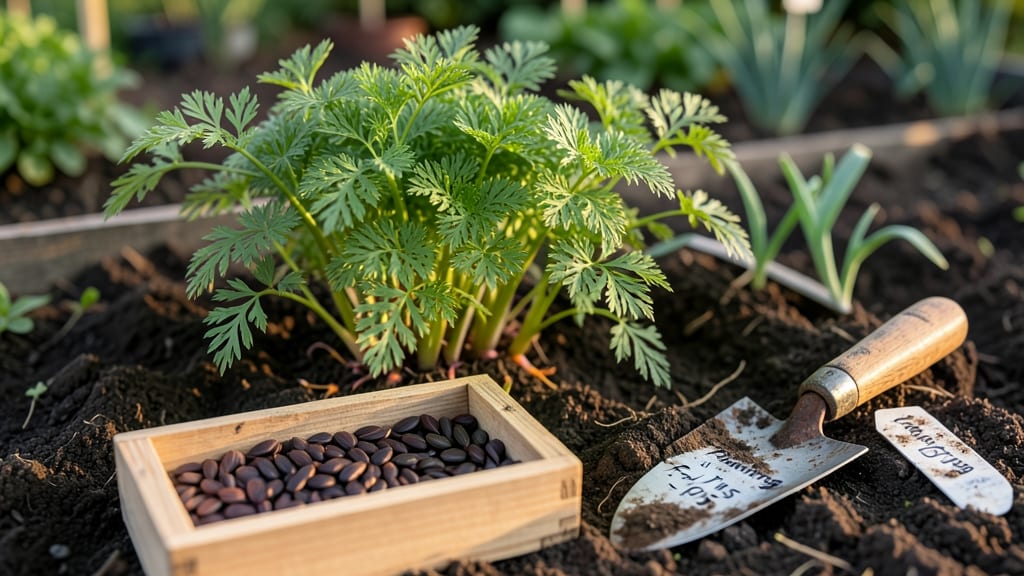
Timing your fall carrot planting just right can mean the difference between sweet, tender 🥕 roots and tough, bitter disappointment. Planting them too early risks bolting, while waiting too long may leave you with stunted growth before winter sets in.
If you're in USDA Zone 6a, like many gardeners in the Midwest and Northeast, your window to plant carrots for a fall harvest is narrow but critical.
Aim for 4-6 weeks before your first frost, typically between mid-September and early October, to give those roots enough time to mature before the ground freezes.
Why does this matter? Fall carrots develop deeper flavors and sweeter crunch when grown in cooler temperatures. But getting the timing wrong can leave you frustrated—and your garden empty.
I’ll walk you through exactly how to nail your planting schedule, adjust for your local climate, and avoid common mistakes that ruin harvests.
Whether you're a beginner or a seasoned gardener, these insights will help you grow carrots that are perfectly sweet, crisp, and ready to harvest before winter takes over. Let’s get started.
Ideal fall planting windows for carrots by US climate Zones
Timing your fall carrot planting correctly ensures sweet, tender roots before winter sets in. The key is planting 4-6 weeks before your first expected frost date. This window gives carrots enough time to mature while avoiding the bitter taste that develops when exposed to light frosts.
For example, in Zone 5, where first frost typically hits around October 15, aim to plant by September 10-20.
Your local climate zone determines the exact planting window. Northern regions (Zones 3-5) have shorter growing seasons, so focus on early-maturing varieties like 'Early Nantes' or 'Paris Market'. Meanwhile, Southern gardeners (Zones 7-10) can extend planting until November 1st with varieties like 'Danvers' or 'Chantenay'.
Always check your average first frost date using the USDA Plant Hardiness Zone Map for precision.
Here’s how to calculate your perfect planting window: Subtract 60 days (minimum maturity time) from your first frost date. For instance, if frost arrives November 15th, plant by September 15th.
In warmer zones, you can push this to November 1st with cold-hardy varieties. Pro tip: Use a soil thermometer to confirm soil temps are 60-75°F—carrots struggle in cooler soils.
Regional variations matter too. In Pacific Northwest (Zones 7-9), plant from late August to early October for a staggered harvest. Meanwhile, Midwest gardeners (Zones 4-6) should focus on September planting to avoid early frosts.
Always account for daylight hours: shorter fall days can slow growth, so prioritize fast-maturing varieties in late-season plantings.
Don’t overlook succession planting—sow seeds every 2-3 weeks in early fall to extend your harvest. For example, plant a batch in late August, another in early September, and a final one by mid-September.
This ensures a steady supply of carrots from October through December, just before hard frosts arrive. Use row covers to protect late plantings from light frosts.
🌱 Fall Carrot Planting by USDA Zone
| Zone | Planting Window | First Frost Date | Recommended Varieties | Days to Maturity |
|---|---|---|---|---|
| 3-4 | Late July - Early August | October 1-15 | 'Early Nantes', 'Paris Market' | 50-60 days |
| 5-6 | Mid-August - Mid-September | October 15 - November 1 | 'Danvers', 'Chantenay' | 60-70 days |
| 7-8 | Late August - Early October | November 15 - December 1 | 'Nantes', 'Rainbow' | 70-80 days |
| 9-10 | September - November 1 | December 15+ (light frost) | 'Imperator', 'Golden Ball' | 80-90 days |
✅ Pro Tip: Use row covers to extend harvests in Zones 3-6 by 2-3 weeks.
For Southern Hemisphere gardeners, reverse the timeline. Plant in March-April (autumn) for harvests before winter. For example, in Australia (Zone 8-10), sow seeds by late March to harvest before June-July frosts. Choose cold-hardy varieties like 'Purple Haze' or 'Solar Yellow' to withstand mild winter chill.
Always monitor soil moisture during fall planting—consistent watering prevents forked or stunted roots. Mulch with straw or leaves to retain warmth and moisture, especially in dry climates.
In humid regions, avoid over-mulching to prevent rot. Test soil pH (6.0-6.8) before planting; acidic soil leads to brittle, woody roots.
Finally, harvest before hard frosts—even cold-hardy carrots lose quality when frozen. Use a garden fork to loosen soil and lift roots gently. Store harvested carrots in moist sand at 32-40°F for up to 3 months.
With perfect timing, you’ll enjoy homegrown carrots from October through December—far sweeter than store-bought! 🥕
How to adjust planting time for soil temperature and variety
Choosing the right fall planting time for carrots depends on two key factors: soil temperature and the variety you’re growing. Carrots thrive in cool soil (60-75°F), but planting too early in warm soil can cause them to bolt prematurely, while late planting risks stunted growth before frost.
Matching your carrot variety to your local climate also makes all the difference.
Most fall carrots fall into two categories: short-day varieties (like 'Danvers' or 'Nantes') and long-day varieties (like 'Imperator'). Short-day types mature faster in cooler weather, making them ideal for northern climates, while long-day varieties tolerate slightly warmer soil and are better for southern regions.
Always check seed packets for days-to-maturity to align with your frost dates.
Soil thermometers are your best friend here. Test soil temperature at planting depth (about 1 inch down) in the early morning. If it’s above 75°F, wait 1-2 weeks—carrots planted in hot soil may sprout unevenly or bolt. For succession planting, aim for 2-3 week intervals until 4-6 weeks before your first frost date.
🌱 Pro Tip: Use black plastic mulch or straw mulch to cool soil and retain moisture, especially in Zone 7-10 where fall temperatures linger. This extends your planting window by 2-3 weeks and helps prevent bolting.
| Factor | Ideal Specification | Actionable Tip |
|---|---|---|
| Soil Temperature | 60-75°F (15-24°C) | Use a soil thermometer; wait if above 75°F. |
| Variety Type | Short-day (north) / Long-day (south) | Check seed packets; 'Danvers' for cool climates. |
| Planting Interval | 2-3 weeks apart | Stagger plantings for continuous harvests. |
| Mulch Use | Black plastic or straw | Cools soil and extends planting window by weeks. |
For extended harvests, try succession planting every 10-14 days until 6 weeks before frost. This ensures a steady supply of sweet, crisp carrots throughout fall.
In Zone 3-5 where frosts arrive early, opt for fast-maturing varieties like 'Paris Market' (50 days) or 'Little Finger' (55 days) to beat the cold.
If your fall season feels too short, consider cold frames or row covers to protect young plants. These can push your harvest window 2-4 weeks later without risking frost damage. Just remove covers during the day to prevent overheating.
Finally, avoid planting when nighttime temperatures dip below 50°F (10°C). Carrots grow slowly in cold soil, leading to small, woody roots. Instead, time your last planting to finish 8-10 weeks before your average first frost—this gives roots enough time to sweeten without bolting.