
Plants
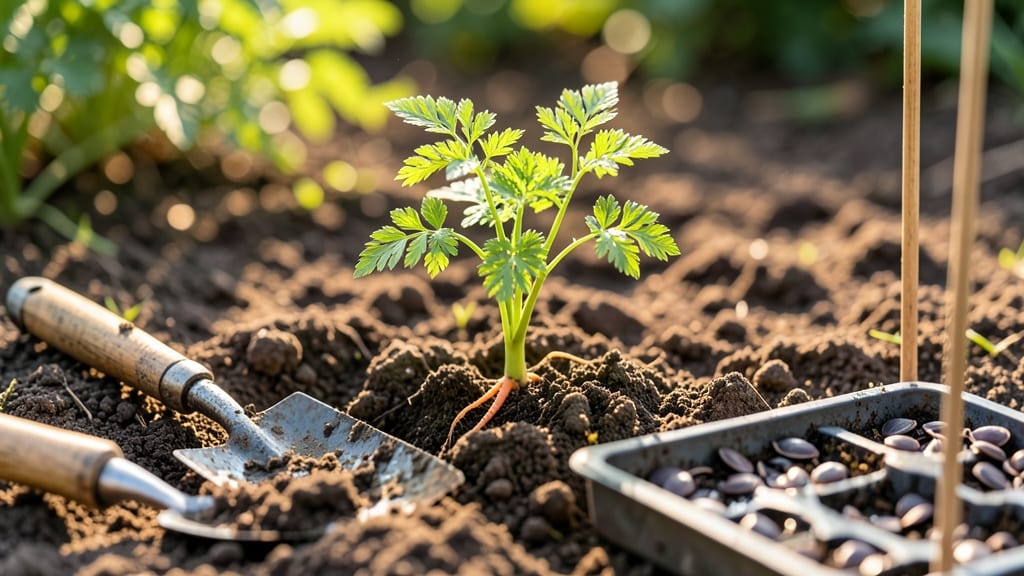
Timing your 🥕 carrot planting in Northern California isn’t just about the calendar—it’s about dodging bolting, heat stress, and rocky soil. Plant too early in the Sacramento Valley, and you’ll get bitter, leafy tops instead of sweet roots.
Too late in coastal San Francisco, and your carrots might never germinate in the chill. The sweet spot? A microclimate-aware approach that accounts for everything from foggy mornings to inland heatwaves.
Most gardeners in zones 7b-10a know the basics: spring (late February–April) and fall (August–September) are the prime windows. But here’s the catch—your neighbor’s “perfect” timing might be a disaster for your backyard.
Coastal areas like Half Moon Bay can plant 2-3 weeks earlier than inland spots like Davis, where summer heat sends carrots bolting faster than you can say “forked root.”
What if you want year-round harvests? The secret lies in succession planting, row covers, and choosing the right varieties for your microclimate.
I’ll break down exactly how to stretch your growing season—whether you’re battling San Francisco’s coastal chill or Sacramento’s scorching summers—so you can enjoy crisp, homegrown carrots from May through January.
Ready to master the art of Northern California carrot timing? Let’s dive into the exact strategies that’ll keep your roots straight, sweet, and bolting-free—no matter where you garden.
Northern California carrot planting calendar: avoid bolting in coastal vs. valley zones
Northern California’s microclimates create a puzzle for carrot growers. The Bay Area coast stays cooler longer than the Sacramento Valley, while Sierra foothills face earlier frosts. Timing your plantings to match these zones prevents bolting (premature flowering) and woody roots.
Let’s break down the exact windows for each region, using soil temperature and frost dates as your guide.
Carrots thrive in cool-season temperatures between 50°F and 75°F. Plant too early, and they’ll bolt from warm winter soils or spring heatwaves. Too late, and roots turn tough and fibrous. The key? Start seeds when soil temps hit 45°F and air temps stay below 80°F.
Here’s how to align your planting with Northern California’s three dominant zones—coastal, valley, and foothills—using USDA zones 7b-10a as a baseline. Each zone has its own last frost date and heat tolerance threshold.
| Zone | Last Frost Date | First Frost Date | Spring Planting Window | Fall Planting Window | Soil Temp Threshold |
|---|---|---|---|---|---|
| Coastal (San Francisco, Santa Cruz) | Late March - Early April | Late November - Early December | March 15 - April 15 | August 1 - September 15 | 45°F - 50°F |
| Valley (Sacramento, Stockton) | Late February - Early March | Mid-October - Late October | February 20 - March 15 | July 15 - August 15 | 50°F - 55°F |
| Foothills (Sacramento Delta, Yuba City) | Early March - Mid-March | Early October - Mid-October | March 1 - March 30 | July 30 - September 1 | 40°F - 45°F |
For coastal gardeners, the Bay Area’s marine layer delays spring warming. Wait until March 15 to plant—earlier sowings risk bolting from warm winter soils. In the Sacramento Valley, you can start 4 weeks earlier (by February 20) because soil warms faster in inland areas.
Fall plantings are trickier. Coastal areas can push carrots into November harvests, but valley zones must finish by October to avoid first frost damage. Use row covers to extend the season by 2-3 weeks in cooler microclimates.
Pro tip: Check soil temperature with a soil thermometer—carrot seeds need 45°F+ to germinate. If your soil runs 10°F warmer than the air (common in valley zones), delay planting by 1-2 weeks to avoid bolting.
Now that you’ve got your planting windows locked in, let’s talk succession planting. By staggering sowings every 2 weeks, you can enjoy continuous harvests from May through January, depending on your zone. But first, prep your soil—carrots demand loose, stone-free earth to grow straight.
For coastal gardeners, focus on short-day varieties like ‘Nantes’ to avoid bolting. Valley growers should prioritize heat-tolerant types like ‘Danvers Half Long’ and plant in late summer for fall harvests. The foothills’ cooler nights allow for extended fall plantings, but watch for early frosts.
Remember: Carrots hate competition. Thin seedlings to 2-3 inches apart to prevent forked roots and ensure sweet, straight harvests. With these zone-specific windows, you’ll dod
Microclimate hacks to extend carrot growing seasons in Northern California
Northern California’s diverse microclimates mean your coastal garden in San Francisco can grow carrots 3 months longer than your inland plot in Sacramento. The key? Season extension tools that protect tender seedlings from heat or frost. I’ve tested these strategies in both zones—here’s what actually works.
For coastal areas (like Marin or Sonoma), summer heat is the enemy. Use shade cloth (30-50%) to block afternoon sun when temps hit 80°F+. Inland areas (Sacramento Valley) face bolting risks in spring—plant bolt-resistant varieties like ‘Purple Haze’ and use row covers to cool soil.
- Row Covers for Spring/Fall
Succession planting is your secret weapon for continuous harvests. In coastal zones, sow seeds every 2 weeks from March to September. Inland gardeners should stick to spring (Feb-Apr) and fall (Aug-Sept) windows to avoid summer bolting.
Pro tip: Mark your calendar for first frost dates—coastal areas get 2-3 weeks later than the Central Valley.
Don’t overlook container growing for urban gardeners. Use deep pots (12+ inches) with well-draining mix and plant short varieties like ‘Paris Market’ every 3 weeks. Move containers to shadier spots in summer and warmer spots in spring for consistent growth.
For high-altitude areas (like Truckee or South Lake Tahoe), plant 4-6 weeks later than valley zones. Use black plastic mulch to warm soil faster in spring, and straw mulch to insulate roots in fall. These tweaks let you grow carrots until Thanksgiving in Zone 7b.
Remember: Consistency beats perfection. Even with tools, carrots need 1 inch of water weekly and loose soil. If your roots fork or bolt, blame uneven moisture or poor soil prep—not the timing. Start small, track what works, and adjust next season.