Plants
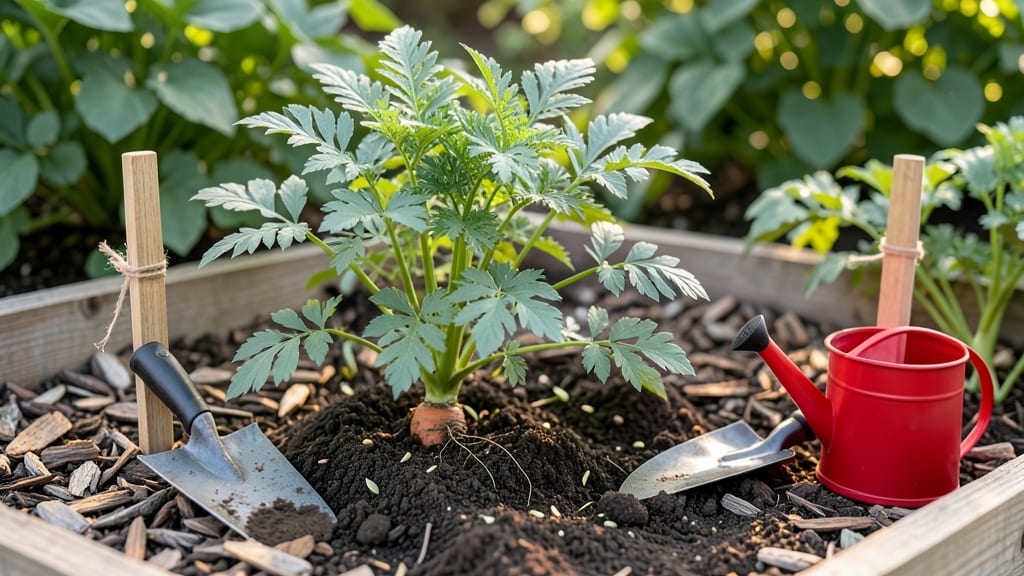
Timing your fall carrot planting just right can mean the difference between a sweet harvest and a bitter disappointment. These crunchy roots thrive in cooler weather, but plant them too late, and frost will steal your crop before it matures.
The key? Starting 8-12 weeks before your first frost—a window that varies wildly depending on where you live.
In USDA Zone 6a, where many gardeners call home, that means getting seeds in the ground by early September.
But whether you're in a northern climate with an early frost or a southern region with milder winters, the principle stays the same: balance your planting date with your local frost calendar.
Get it wrong, and you might end up with bolting carrots or stunted roots that never reach their full potential.
Don’t let the shorter daylight hours of fall fool you—carrots still need time to grow. The good news? Cold-hardy varieties like 'Danvers' or 'Nantes' are built to handle the chill, and with the right soil prep and a little protection, you can extend your growing season well into winter.
I’ll show you exactly how to pick the perfect planting window, choose the best varieties, and avoid the most common mistakes that sabotage fall harvests.
Ready to grow carrots that are sweeter, crunchier, and more flavorful than any you’ve had from spring? Let’s dive into the secrets of fall carrot success—so you can enjoy a homegrown harvest even as the leaves change color.
Best fall planting timeline for carrots by US Hardiness Zone
Timing your fall carrot planting is crucial—get it wrong, and you risk bolting before harvest or stunted roots from early frost. The key is planting 8-12 weeks before your first frost date, giving carrots enough time to mature while avoiding winter's chill.
For example, in Zone 5 (first frost around October 15), your last planting window is mid-August to early September.
But what if you're in Zone 10, where frost is rare? Here, you can push planting into November—just ensure soil temps stay above 45°F for germination. The rule of thumb: soil should be workable (not frozen or waterlogged) and air temps should average 60°F+ during the day.
To simplify, I’ve created a zone-specific planting calendar below. Use your local USDA Hardiness Zone (find yours here) and match it to the ideal last planting date for your region. Pro tip: Bookmark your local cooperative extension service for frost date updates—they’re your best resource for real-time adjustments.
| USDA Zone | Last Planting Date | Ideal Soil Temp (°F) | Days to Harvest | Notes |
|---|---|---|---|---|
| Zones 3-4 | Mid-July to early August | 50-60°F | 70-80 days | Use row covers after frost |
| Zones 5-6 | Late July to mid-August | 55-65°F | 65-75 days | Prioritize cold-hardy varieties |
| Zones 7-8 | Early August to early September | 60-70°F | 60-70 days | Extend season with mulch |
| Zones 9-10 | Late August to November | 65-75°F | 55-65 days | Plant until soil stays warm |
If you’re unsure about your zone, don’t guess—check your local frost dates. For instance, Denver (Zone 5) has a first frost around October 15, so I plant my last batch by September 1.
Meanwhile, in Miami (Zone 11), I can plant until December if I use black plastic mulch to retain heat.
For succession planting, stagger seeds every 2-3 weeks until 6 weeks before frost. This ensures a steady harvest. For example, in Zone 6, I’d plant on July 15, August 1, and August 15 for a fall spread.
Just avoid planting after Labor Day in cooler zones—roots won’t mature before winter.
One common mistake? Planting too deep. Carrot seeds need light to germinate, so cover them with just ¼ inch of soil. Use a seed starter mix or blend compost into the topsoil to improve drainage—rocky or compacted soil causes forking, and nobody wants gnarled carrots!
Finally, test your soil’s pH (ideal range: 6.0-7.0). Acidic soil (below 6.0) can stunt growth, while alkaline soil (above 7.5) may cause bitterness. Amend with lime (to raise pH) or sulfur (to lower pH) 2-3 weeks before planting.
My go-to? A soil test kit from my local garden center—it’s cheap and saves headaches.
With your zone and soil prepped, you’re ready to plant. Next, we’ll dive into the top 5 cold-hardy carrot varieties that thrive in fall’s cooler temps—including bolting-resistant picks that won’t bolt when nights dip below 50°F. 🥕
Top 5 cold-hardy carrot varieties for fall planting
Fall carrots thrive when you choose the right cold-hardy varieties—especially if you're planting late in the season. The best varieties for fall resist bolting (premature flowering) and develop sweeter roots in cooler weather. Here are my top 5 picks for a successful harvest before winter sets in.
For fall planting, prioritize varieties with short maturity times (60-80 days) and bolt resistance. These traits ensure you can harvest before the first frost while avoiding the bitter flavors that come with long exposure to cold.
Let’s dive into the specifics of each variety to help you pick the perfect fit for your garden.
🥕 Variety | Cold Tolerance | Flavor Profile | Best For ---|---|---|--- Danvers Half Long | ❄️❄️❄️❄️ | Sweet, earthy | Storage, long roots Nantes | ❄️❄️❄️ | Crisp, mild | Fresh eating, containers Purple Haze | ❄️❄️❄️❄️ | Nutty, vibrant | Colorful harvests Yaya | ❄️❄️❄️❄️ | Sweet, uniform | Late-season success Paris Market | ❄️❄️ | Mild, tender | Small gardens, quick harvests
If you're in a cooler climate (Zones 3-5), Danvers Half Long and Purple Haze are my top recommendations. Their thick skins and deep roots handle frost better than other varieties, making them ideal for late fall harvests.
For warmer climates (Zones 6-10), Nantes and Yaya mature quickly and resist bolting, even when planted as late as October.
For small gardens or containers, Paris Market is a game-changer. These short, round carrots grow in just 50-60 days, making them perfect for succession planting or late-season harvests. Plus, their mild flavor makes them a crowd-pleaser at the dinner table.
Pro tip: If you're planting in early fall (August-September), opt for varieties with longer maturity times like Danvers. For late fall (October), choose fast-maturing types like Yaya or Paris Market to ensure a harvest before the ground freezes. Always check your last frost date and adjust accordingly!