Plants
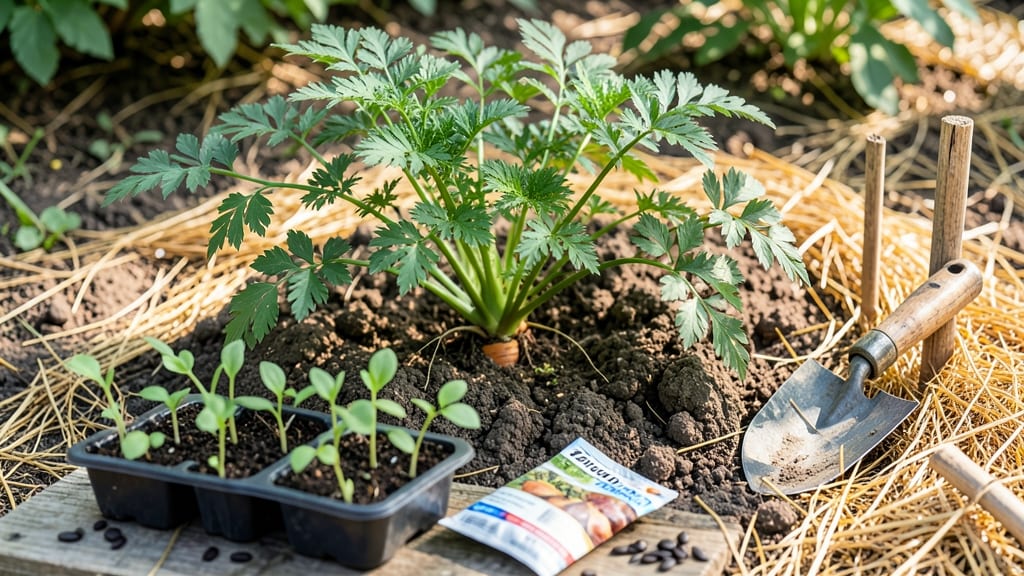
Timing your carrot 🥕 planting in Zone 6a could mean the difference between a bumper crop and bolting disappointment—so let’s get this right. Most gardeners rush planting too early, only to watch their seeds rot in cold soil or their plants bolt before harvest.
The key? Waiting until the soil hits a steady 50°F and understanding your last frost date.
In Zone 6a, your best bets are early spring (March-April) or late summer (July-August), when temperatures cooperate and the risk of frost fades. I’ve learned the hard way that planting too soon—before soil warms—leads to stunted growth or forked roots, while waiting too long cuts your harvest short.
The solution? A simple soil thermometer trick to lock in the perfect window.
Here’s what you’ll discover: why succession planting works in Zone 6a, how to prep soil for straight roots, and which carrot varieties resist bolting like champs. No more guessing—just a foolproof plan for two harvests this year.
Let’s dive into the exact steps to time your planting, avoid common mistakes, and keep your 🥕 crop thriving from seed to table.

Optimal carrot planting windows in Zone 6A: avoid bolting with soil temperature hacks
Carrots in Zone 6A demand precision timing to avoid bolting—a common issue when planted too early or late. The key lies in soil temperature thresholds (50°F+) and frost dates. In my experience, mastering these windows means the difference between a bountiful harvest and bitter disappointment.
Zone 6A's last frost date typically falls around April 15, but don't let that fool you. Carrot seeds need consistent warmth to germinate. Planting too soon in cold soil can trigger bolting—when carrots flower prematurely and become woody.
The solution? Wait until the soil reaches 50°F at least 1 inch deep.
For spring planting, aim for late March to mid-April—just as the soil warms. This gives you enough time for a 70-day harvest window before the first frost hits around October 15. If you miss this window, don't despair—fall planting is your backup plan.
Here’s the golden rule: Plant your first batch 4-6 weeks before your last frost (around March 15-April 1) and your second batch 8-10 weeks before your first frost (around July 15-August 1). This succession planting strategy ensures two harvests—one in late summer and another in fall.
| Planting Window | Soil Temp | Frost Context | Harvest Time |
|---|---|---|---|
| Late March - Mid-April | 50°F+ | 4-6 weeks before last frost | Late summer (August-October) |
| July - Early August | 55°F+ | 8-10 weeks before first frost | Fall (October-November) |
| Early September (succession) | 60°F+ | For late fall harvests | Late fall (November) |
Pro tip: Use a soil thermometer to check temperatures—don’t guess! I’ve seen gardeners plant too early because they assumed the air temperature was warm enough. The soil stays cooler longer, especially in Zone 6A’s clay-heavy soils. If your soil is still below 50°F, wait another week.
Another trick I swear by? Shade cloth for early plantings. If you’re planting in late March and nights are still chilly, throw a lightweight shade cloth over seedlings during the day to protect them from temperature swings. This buys you extra time to reach that 50°F threshold without bolting.
For fall plantings, focus on July-August when soil temperatures start cooling. Carrots planted in hot summer soil (above 75°F) can also bolt, so aim for 55-65°F soil. This second planting gives you a fall harvest just before the first frost, often producing sweeter roots.
One mistake I see often? Overcrowding seeds in the rush to plant early. Thin seedlings to 2-3 inches apart once they’re 2 inches tall. Crowded carrots compete for nutrients and fork or split, ruining your harvest. Patience here pays off—thinning ensures straight, sweet roots.
Finally, succession planting is your secret weapon for continuous harvests. After your first planting, sow a second batch 2-3 weeks later, and a third 4-6 weeks after that. This staggered approach ensures you’re always pulling fresh carrots from the garden instead of a one-time glut.
With these soil temperature hacks and precise timing, you’ll avoid bolting and enjoy crisp, homegrown carrots all season long. Happy planting! 🥕
Optimal carrot planting windows in Zone 6A: avoid bolting with soil temperature hacks
Zone 6A gardeners face a unique challenge: carrots bolt when soil temperatures rise above 65°F. The key to success lies in planting when soil temps hover between 50°F and 60°F—this prevents premature flowering and ensures sweet, straight roots.
Timing matters because Zone 6A's last frost date (around April 15) and first frost (around October 15) create two ideal windows for planting.
For most Zone 6A growers, the primary planting window opens in early March as soon as soil temps stabilize above 50°F. This gives carrots 70-90 days to mature before summer heat triggers bolting.
If you miss this window, don't worry—late summer planting (mid-July) works too, but requires careful soil prep to avoid compacted ground from spring rains.
Pro tip: Use a soil thermometer to confirm temps before planting—cold soil slows germination, while warm soil speeds it up. For a continuous harvest, stagger plantings every 2-3 weeks in spring. This ensures you're always pulling fresh carrots from August through October.
Zone 6A's shorter growing season means fall planting is your secret weapon. Sow seeds in mid-July for a late fall harvest before the first frost. Choose bolt-resistant varieties like 'Danvers' or 'Nantes' for extra insurance against heat stress.
Just remember: never plant after August 1—the days are too short for successful maturation.
If you're new to carrots, start with succession planting in spring. Sow a small batch every 2 weeks until May 15. This spreads out your harvest and reduces the risk of overcrowding, which leads to forked roots.
For fall crops, focus on late July plantings and prioritize well-draining soil to prevent rot in cooler autumn temps.
Remember: carrots hate competition. Thin seedlings to 2-3 inches apart when they're 2 inches tall to prevent overcrowding. This might seem harsh, but it ensures your carrots grow straight and sweet instead of twisted and bitter.
With these timing tricks, you'll enjoy homegrown carrots from July through November—no grocery store needed!