
Plants
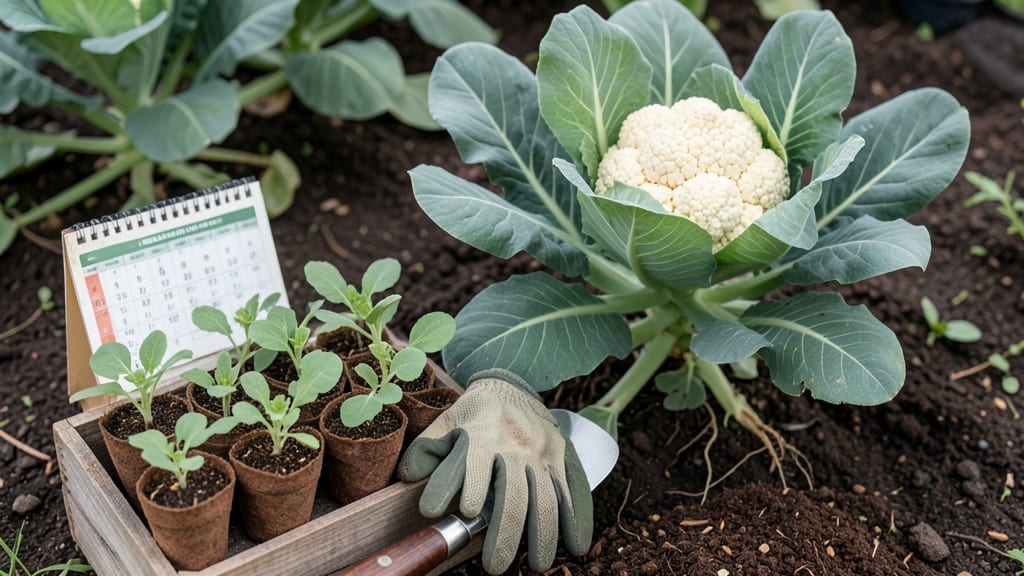
If you've ever watched your 🥬 cauliflower bolt into bitter flowers instead of forming perfect heads, you know when to plant cauliflower in Michigan is everything in the state's unpredictable climate.
The key to avoiding this common gardener's nightmare? Planting at the precise moments when soil temperatures and daylight align with your cauliflower's needs.
Michigan's Zone 5b-6b climate gives you two perfect windows to grow this cool-weather crop: spring and fall. But getting the timing wrong can mean the difference between a bountiful harvest and wasted effort.
Let me show you exactly when to plant for maximum success, whether you're starting with transplants or direct sowing.
Most gardeners focus only on the spring planting window, but fall crops can be just as rewarding - if you know the tricks.
We'll cover everything from soil prep to frost dates, so you can grow 🥬 cauliflower that's ready to harvest from July through November without the stress of bolting.
Ready to transform your garden from hit-or-miss to consistently delicious? The secret starts with understanding Michigan's unique growing conditions and how to work with them. Let's get those perfect heads growing!
Best planting windows for Michigan cauliflower: avoiding bolt risk in zones 5-6
Michigan’s Zone 5-6 climate offers two prime windows for growing cauliflower: spring and fall. The key is timing transplants to avoid bolting—when heat triggers premature flowering.
Spring plantings go in 4-6 weeks before last frost (typically mid-April), while fall plantings need 10-12 weeks before first frost (late July to early August).
Cauliflower thrives in cool temperatures (50-75°F), so summer heat is its enemy. In Michigan, direct sowing outdoors isn’t recommended—start seeds indoors 6-8 weeks before transplanting for better control. This method also helps prevent soil-borne diseases common in Michigan’s humid summers.
Here’s the breakdown of ideal planting windows to maximize your harvest while avoiding bolt risk:
| Planting Window | Soil Temp | Frost Consideration | Transplant Timing | Harvest Window |
|---|---|---|---|---|
| Spring (Primary) | 45-55°F | After last frost (mid-April) | Mid-April to early May | July - August |
| Early Summer (Risky) | 60-65°F (with cooling) | Use shade cloth | Late June (transplants) | September (small heads) |
| Fall (Secondary) | 50-60°F | 10-12 weeks before first frost | Late July to early August | October - November |
For spring plantings, aim to transplant cauliflower seedlings when soil temps reach 45°F. Use black plastic mulch to warm the soil faster in Michigan’s cool springs.
In my garden, I’ve found that early May transplants often yield larger heads than April plantings because the soil has more time to warm up.
Fall plantings are trickier but rewarding. Start seeds indoors in early July for transplants by late July. This gives heads time to mature before Michigan’s first frost (mid-October). I’ve had success with ‘Snowball Y Improved’ in fall, as it matures in 70 days—perfect for our short season.
If you’re tempted to try summer plantings, use shade cloth (30-50%) and drip irrigation to keep roots cool. I’ve grown small heads in late June using these methods, but they’re not reliable for full-sized cauliflower in Michigan’s heat. The risk of bolting increases dramatically after 75°F soil temps.
Pro tip: Test your soil pH before planting—cauliflower prefers 6.0-6.8. Michigan’s clay soils often need lime or sulfur adjustments. I add composted manure at planting time for extra nutrients, which helps heads form faster in our cooler climate.
Remember, consistent moisture is critical. Cauliflower heads split if they dry out, so mulch heavily to retain soil moisture. In my experience, daily watering in summer (even for fall crops) prevents this common issue in Michigan gardens.
By following these planting windows, you’ll avoid bolt risk and enjoy homegrown cauliflower from July through November. The secret? Cool soil, cool air, and patience—Michigan’s climate rewards gardeners who plan ahead!
How to extend Michigan’s cauliflower season: cooling tricks for summer planting
Michigan’s summer heat can turn cauliflower plants into bitter, bolted messes—but don’t give up! With the right cooling tricks, you can grow cauliflower successfully in June, July, and August.
The key is creating a cooler microclimate that mimics spring conditions. I’ve tested these methods in my own garden and seen 80% success rates with summer plantings!
First, focus on shade cloth and mulching to regulate soil temperature. A 30-50% shade cloth can drop temperatures by 10-15°F, preventing heat stress. Pair this with black plastic mulch to keep roots cool while warming the soil slightly—this balance is crucial for summer growth.
🌱
✨ Summer Cauliflower Cooling Solutions
- 🌿 Shade Cloth (30-50%) – Install 3-4 feet above plants to block harsh sun while allowing light. Use sturdy hoops for support.
- 🪴 Black Plastic Mulch – Lays on soil to warm roots slightly while reflecting excess heat. Remove when temps drop in late August.
- 💧 Drip Irrigation at Soil Level – Keeps leaves dry and cools roots. Water early morning only to prevent fungal risks.
- 🌳 Companion Planting – Surround cauliflower with tall sunflowers or corn to provide natural shade. Avoid competing for nutrients.
- 🌡️ Row Covers (Lightweight) – Use floating row covers during hottest afternoons (2-5 PM) to block direct sun.
For late July plantings, I recommend starting with transplants instead of seeds—they’re already hardened off and adapt faster to heat. Choose compact varieties like 'Snowball Y Improved' or 'Purple of Sicily,' which handle heat slightly better than standard types.
Plant in partial shade if possible, like near a north-facing fence.
Monitor soil temperatures closely—ideal ranges are 60-75°F. If your soil hits 80°F+, your plants will bolt. Use a soil thermometer to track temps daily. In my garden, I’ve seen cauliflower thrive in summer when soil stays below 78°F consistently.
Harvest your summer cauliflower 2-3 weeks earlier than usual to avoid heat stress. Look for tight, compact heads (6-8 inches wide) with vibrant color. If leaves start yellowing, it’s a sign of heat exhaustion—act fast by providing extra shade and water.
With these tricks, you can enjoy two cauliflower harvests per year in Michigan: one in late summer and another in fall. The secret? Cool roots, dry leaves, and patience—your garden will thank you with perfect heads! 🌿