
Plants
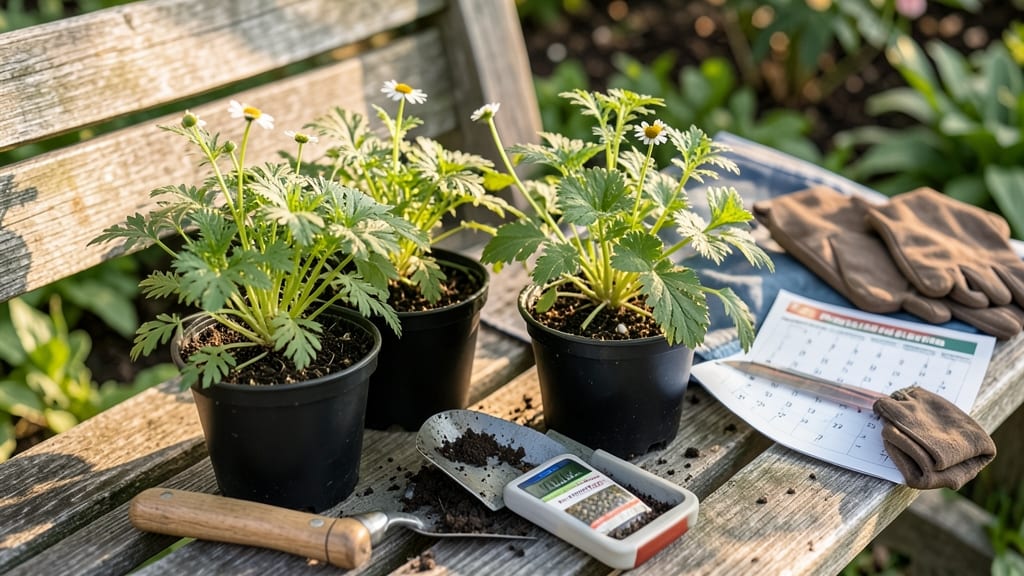
If you’ve ever watched your chamomile 🌼 plants wilt under Texas’s unforgiving sun, you know timing is everything when to plant chamomile in Texas.
Planting chamomile at the wrong time means struggling with heat stress or missing peak harvests—both mistakes that can leave your garden (and your tea stash) lacking.
Here’s the secret: Texas gardeners get the best results by planting chamomile in fall (September-October) or early spring (February-March), when temperatures are milder. This gives delicate seedlings time to establish roots before the brutal summer heat arrives, setting you up for healthier plants and longer blooming seasons.
But not all Texas regions are created equal. North Texas’s cooler winters mean slightly earlier planting, while South Texas’s extended growing season lets you push the window later. We’ll break down the exact months for your zone, plus heat-resistant varieties that thrive in Texas’s 8a-10b climate.
Ready to grow chamomile that survives (and even thrives) in Texas heat? Let’s dive into the perfect planting schedule and care tips to keep your garden flourishing year-round.
Best planting months for chamomile in Texas by region
Texas’ diverse climate means chamomile planting times vary wildly from North to South. In North Texas (USDA Zones 8a-8b), where winters dip below freezing, aim for late February to early March for spring planting.
For fall planting, September is ideal—before first frost hits in December. South Texas (Zones 9a-10b) enjoys milder winters, so August-September or January-February work best.
Central Texas (Zones 8b-9a) straddles both extremes. Spring planting should start in late February, while fall planting thrives in September-October. The key? Avoid peak summer heat (June-August), when temperatures often exceed 100°F, stressing young plants.
Chamomile is a cool-season herb, meaning it thrives in 60-75°F soil. Planting too early risks frost damage; too late, and you’ll miss the ideal bloom window of April-May or September-October.
Use local frost dates as your guide—North Texas gardeners should wait until after February 15, while South Texans can plant as early as January 1.
🌱
| Region | USDA Zone | Spring Planting Window | Fall Planting Window | Key Consideration |
|---|---|---|---|---|
| North Texas | 8a-8b | Late February–Early March | September | Wait until after last frost (avg. Feb 15) |
| Central Texas | 8b-9a | Late February–March | September–October | Balance heat tolerance with rainfall |
| South Texas | 9a-10b | January–February | August–September | Extend season with shade cloth in summer |
For container gardening, timing is slightly more flexible. You can start seeds indoors in January and transplant outdoors after soil temperatures hit 55°F. This gives you a 4-6 week head start on the growing season, crucial for Texas’ short cool periods.
Always check soil moisture before planting—Texas clay can bake hard in summer. Amend with compost or sand to improve drainage. Chamomile hates soggy roots, so well-draining soil is non-negotiable.
Pro tip: Direct-sow seeds in full sun (6+ hours daily) for fastest germination. Avoid transplant shock by hardening off seedlings for 7-10 days before moving them outdoors.
🌿
If you’re in Zone 10b (far South Texas), you can even try year-round chamomile with partial shade and consistent watering. However, blooms will be sparser in summer due to heat stress.
For most Texas gardeners, fall planting yields the best results—cooler temps mean lush growth and prolonged flowering.
Remember: Chamomile is a short-lived perennial in Texas, often acting as an annual due to summer heat. But with the right timing, you’ll enjoy fragrant blooms for multiple seasons.
Heat-resistant chamomile varieties perfect for Texas gardens
Texas heat can be brutal on delicate plants, but chamomile thrives when you choose the right variety. German chamomile (Matricaria chamomilla) handles heat better than Roman chamomile (Chamaemelum nobile), making it the top pick for Texas gardens.
German chamomile’s drought tolerance and fast growth let it bounce back from heatwaves, while Roman chamomile prefers milder climates and may struggle in USDA zones 9-10 without extra care.
Hybrid varieties, like those bred for heat resistance, offer the best of both worlds—German chamomile’s hardiness with Roman chamomile’s long bloom season. These hybrids often produce larger flowers and maintain vibrant blooms even when temperatures climb above 95°F.
Look for seeds labeled as "heat-tolerant" or "Texas-friendly" to skip the trial-and-error phase.
German chamomile also has a shorter maturity time (about 60-75 days), which means you can get blooms faster in Texas’ fall planting window. Roman chamomile, while slower to mature (90-100 days), rewards gardeners with a longer flowering period if given afternoon shade during peak summer months.
🌼 German Chamomile (Matricaria chamomilla)
✅ Pros
- Heat-tolerant up to 100°F
- Fast-growing (60-75 days)
- Drought-resistant once established
- Medicinal benefits (tea, tinctures)
❌ Cons
🌼 Roman Chamomile (Chamaemelum nobile)
✅ Pros
- Longer bloom season (spring-fall)
- Fragrant flowers (great for borders)
- Perennial in mild winters (zones 7-9)
- Milder flavor (ideal for culinary use)
❌ Cons
- Less heat-tolerant (struggles above 90°F)
- Slower to mature (90-100 days)
- Needs afternoon shade in Texas summers
- Not as drought-hardy as German chamomile
For container gardening in Texas, German chamomile is the clear winner. Its compact size (1-1.5 feet tall) makes it perfect for pots, and its shallow root system thrives in well-draining mixes.
If you’re planting in ground beds, mix German chamomile with drought-tolerant companions like lavender or Russian sage to create a low-maintenance, heat-resistant border.
Pro tip: If you love Roman chamomile’s flavor but hate its heat sensitivity, try planting it in partial shade under a 30% shade cloth during the hottest months (June-August). This simple trick can extend its growing season by 2-3 months in Texas’ Central and South regions.
Remember, chamomile’s bloom time is directly tied to its variety and planting schedule. German chamomile planted in September will bloom by November-December, while spring plantings (February-March) yield flowers by April-May. Plan ahead to enjoy fresh chamomile tea or bouquets year-round!