
Plants
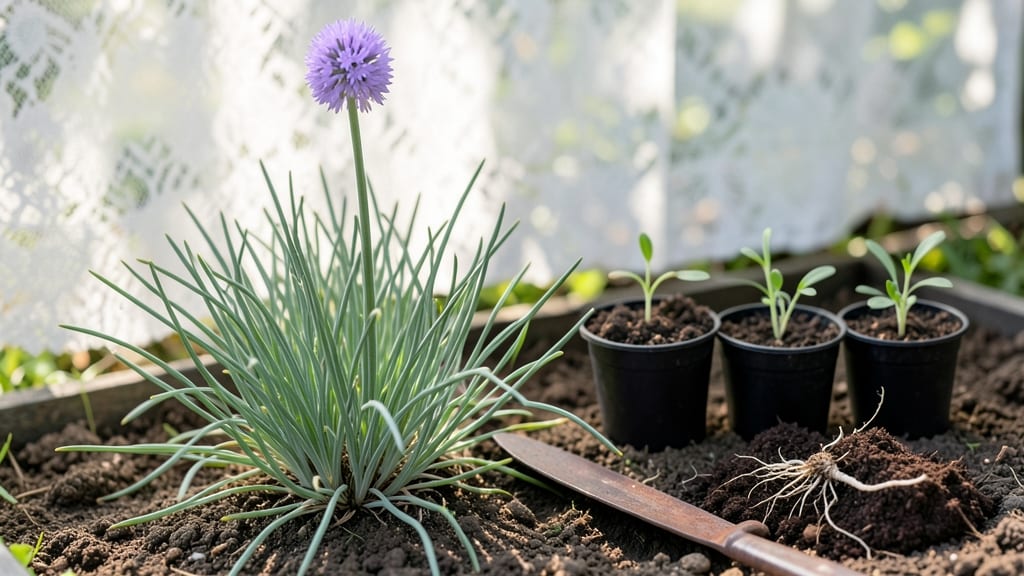
Knowing when to plant chives in Zone 7 can mean the difference between a thriving herb garden and one that struggles to take off. These hardy perennials are simple to grow, but timing is everything—especially in Zone 7's variable climate where frost dates shift year to year.
Chives 🧅 love cool weather, so planting too early in spring risks bolting (flowering prematurely), while waiting too late can stunt growth. The sweet spot? Early spring (just before your last frost date) or early fall (about 6-8 weeks before the first frost).
This ensures your chives establish strong roots before summer heat sets in.
What makes Zone 7 unique is its 165 frost-free days, giving you two prime opportunities to plant. Whether you're starting from seeds or transplants, I’ll walk you through the exact windows—plus how to adjust if your season runs early or late.
Ready to grow chives that keep coming back year after year?
Beyond timing, I’ll cover soil prep, sunlight needs, and how to avoid common mistakes like overcrowding or underwatering. With these tips, you’ll enjoy fresh chives from late spring through fall—no guesswork required.

Ideal planting windows for chives in Zone 7: spring vs fall breakdown
In Zone 7, chives thrive when planted during two 6-week windows: early spring (just before last frost) and early fall (6-8 weeks before first frost). These timings align with soil temperatures between 45°F–65°F, which prevent bolting—the bitter flowering stage that ruins flavor.
Miss the window, and you risk stunted growth or wasted effort.
Spring planting starts 2–3 weeks before your last frost date (typically mid-March in Zone 7). For fall, aim for 6–8 weeks before first frost (around mid-September). The key? Soil warmth triggers germination, but frost kills tender seedlings. Use a soil thermometer to confirm 50°F+ before planting.
Chives are perennial, meaning they return yearly—but only if planted correctly. In Zone 7, they’ll overwinter with minimal protection, but spring planting yields the earliest harvest (late May–June). Fall planting extends your harvest into early spring of the next year.
| Planting Window | Zone 7 Dates | Soil Temp | Frost Risk | Best Method |
|---|---|---|---|---|
| Spring | March 15–April 30 | 50°F–65°F | Low (after last frost) | Direct sow or transplants |
| Fall | September 15–October 31 | 55°F–60°F | Moderate (before first frost) | Transplants preferred |
For indoor starts, sow seeds 6–8 weeks before last frost (by mid-February). Use seed-starting trays with well-draining mix and keep under grow lights (12–14 hours/day). Transplant outdoors after soil warms to 50°F+ to avoid shock.
Zone 7’s mild winters (avg. lows of 25°F–30°F) mean chives rarely need winter protection. However, mulch with 2–3 inches of straw in late fall to insulate roots. This prevents heaving—a common issue when soil freezes and thaws.
Adjust timings if your Zone 7 has early/late frosts. Check your local frost dates (via Almanac’s Zone 7 calculator) and shift planting by 1–2 weeks if needed. For example, if frost hits November 1, plant fall chives by October 15.
Pro Tip: Mark your chive beds with stakes or flags after planting. Chives’ purple flower stalks (bolting) can hide among other herbs, but harvesting before flowering ensures sweet, tender leaves. Aim to cut back flower stalks immediately to redirect energy to leaf growth.
Chives in Zone 7 bolt less frequently than in hotter zones, but overcrowding or nutrient stress can trigger it. Space plants 6–8 inches apart and fertilize lightly (5-10-10) at planting and mid-season to prevent this. A balanced approach keeps your chives flavorful and productive year after year.
Ideal planting windows for chives in Zone 7: spring vs fall breakdown
In Zone 7, chives thrive when planted during two key windows: early spring and early fall. These timings align with soil temperatures and daylight cycles to prevent bolting (flowering) and ensure robust growth.
Spring planting gives you a head start, while fall planting extends your harvest into next year.
For spring planting, aim to sow seeds or transplants 2-3 weeks before your last frost date—typically mid-March in Zone 7. This gives chives enough time to establish roots before the soil warms.
In contrast, fall planting should occur 6-8 weeks before the first frost, usually around mid-September, to allow roots to strengthen before winter.
If you miss these windows, don’t panic! Chives are hardy perennials in Zone 7, so you can still plant in late spring (May) or early fall (October), though yields may be smaller.
For indoor starts, begin seeds 6 weeks before your target outdoor date—this ensures seedlings are sturdy enough to transplant without shock.
Zone 7’s mild winters (average lows of 20–30°F) mean chives often survive outdoors year-round. However, mulching with straw or leaves in late fall adds insulation, protecting roots from temperature swings. This simple step can mean the difference between winter dieback and year-round harvests.
Pro tip: Mark your calendar for Zone 7’s average frost dates (March 15 for last frost, November 15 for first frost) and adjust planting by 1–2 weeks if your microclimate runs warmer or cooler. For example, if you’re in Atlanta, plant slightly later than the averages—chives hate soggy soil!
Timing isn’t just about the calendar—it’s about soil readiness. Use a soil thermometer to confirm temperatures are in the ideal range before planting. Cold soil slows germination, while warm soil (above 60°F) can trigger bolting. Balance is key for flavorful, zero-bolt chives.