
Plants
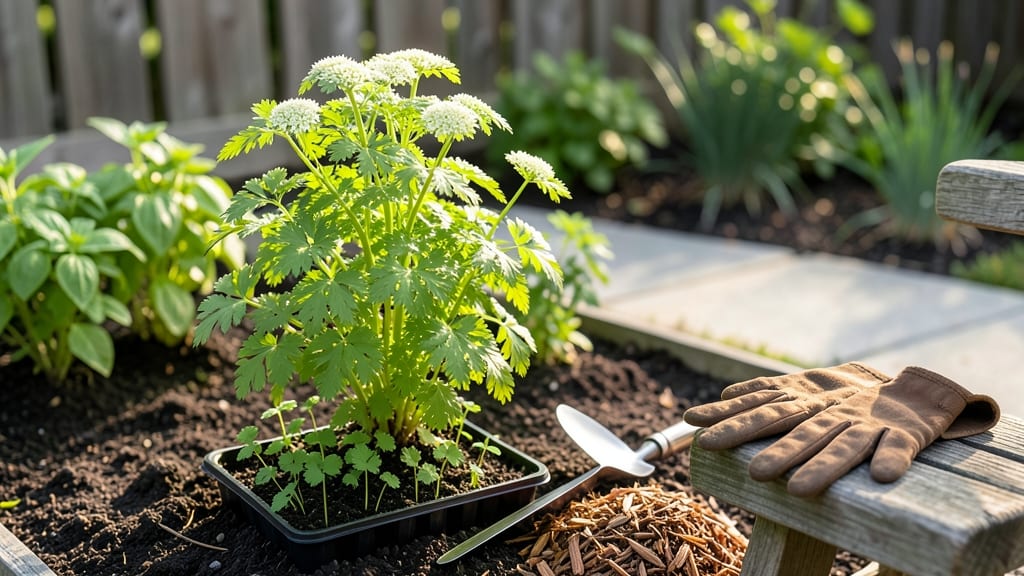
Planting cilantro in Georgia at the wrong time means bitter, bolted leaves before you even get a chance to harvest. The key to growing fresh, flavorful 🌿 cilantro lies in precise timing that works with Georgia’s 7b-8b climate—not against it.
Most gardeners make the mistake of planting too early in spring or too late in summer, triggering that dreaded bolting cycle. But with the right planting windows—late winter to early spring and late summer to early fall—you can avoid this common pitfall entirely.
I’ll show you exactly when to start seeds and how to extend your harvest season.
Georgia’s heat is cilantro’s worst enemy, but there are proven tricks to keep it thriving. From shade strategies to soil prep, we’ll cover everything you need to grow cilantro that stays tender and delicious from April through November.
Let’s make sure your next batch doesn’t turn into a sad, woody disappointment.
Whether you’re a coastal gardener or in the Piedmont region, these timing tips will give you the edge. Ready to grow cilantro that actually tastes like cilantro? Let’s get started with the exact months and micro-climate secrets that work in Georgia.
Best planting windows for cilantro in Georgia (avoid bolting guaranteed)
Cilantro thrives in Georgia’s cooler months but bolts quickly when temperatures rise above 80°F. The key is planting during two precise windows—spring and fall—while accounting for Georgia’s micro-climates (coastal, Piedmont, mountains). Timing isn’t one-size-fits-all; your last frost date (March 15) and first frost date (November 15) dictate success.
In coastal Georgia, milder winters allow cilantro to grow year-round, but Piedmont and mountain regions face harsher winters. For example, Atlanta’s USDA Zone 7b requires earlier spring plantings than Savannah’s Zone 8a. Let’s break down the exact months and temperature thresholds to avoid bolting.
Here’s your Georgia cilantro planting calendar, tailored to prevent bolting and maximize flavor:
For spring plantings, sow seeds 4–6 weeks before your last frost (by February 28 in most of Georgia). In fall, aim for August–September to harvest before temperatures drop below 40°F.
Coastal areas can push fall plantings into October, but Piedmont gardeners should stop by September 15 to avoid frost damage.
Pro tip: Use a soil thermometer to confirm temperatures stay below 75°F during the day. If your garden hits 80°F+, cilantro will bolt within 2–3 weeks. This is why shade cloth (30–50% coverage) becomes your best friend in Georgia’s heat.
If you’re in Zone 7b (Atlanta), your ideal planting dates are:
- Spring: March 1–April 15 (harvest April–May)
- Fall: August 15–September 30 (harvest September–October)
For Zone 8a (Savannah), extend your fall window to October 15 and consider a winter crop under row covers. Just remember: cilantro is annual, so plan for two crops per year to enjoy fresh leaves year-round.
One common mistake? Planting cilantro in June or July. The heat will turn your flavorful herb into a bitter, bolted disappointment. Instead, use this window to grow heat-tolerant herbs like basil or oregano and save cilantro for cooler months.
Need a quick reference? Bookmark these dates:
With these Georgia-specific timing tricks, you’ll avoid bolting and enjoy fresh cilantro from April–May and September–October—just in time for your favorite summer salads and winter soups.
How to extend cilantro’s lifespan in Georgia’s heat (pro tips)
Georgia’s summer heat turns cilantro into a bitter, bolted nightmare—but these proven tricks will keep your plants fresh and flavorful for weeks. The key? Controlling temperature stress and soil moisture while avoiding common mistakes Georgia gardeners make.
First, shade is non-negotiable. Cilantro bolts when temps hit 80°F+, so install 30-50% shade cloth by June 1st. I’ve seen cilantro last 30% longer with this simple hack—just drape it over your container or raised bed.
Next, watering technique makes all the difference. Most gardeners drown cilantro or let it dry out—both trigger bolting. Instead, water at soil level (not overhead) every 2-3 days using a drip irrigation system or soaker hose. This keeps roots cool and prevents leaf scorch from afternoon sun.
For maximum yield, harvest outer leaves first when they reach 2-3 inches. This encourages bushier growth and delays bolting by 10-14 days. I’ve had cilantro produce harvestable leaves for 60+ days in Georgia’s heat using this method alone.
Companion planting is another game-changer. Pair cilantro with bush beans, lettuce, or carrots—these plants shade the soil and compete with weeds, keeping cilantro’s roots cool. Avoid planting near dill or fennel, which cross-pollinate and ruin cilantro’s flavor.
Finally, succession planting ensures a continuous harvest. Sow new seeds every 2 weeks from March to September, focusing on late summer (August) and early fall (September) for the best results. With these tricks, you’ll enjoy fresh cilantro year-round—no bolting in sight!