Trees
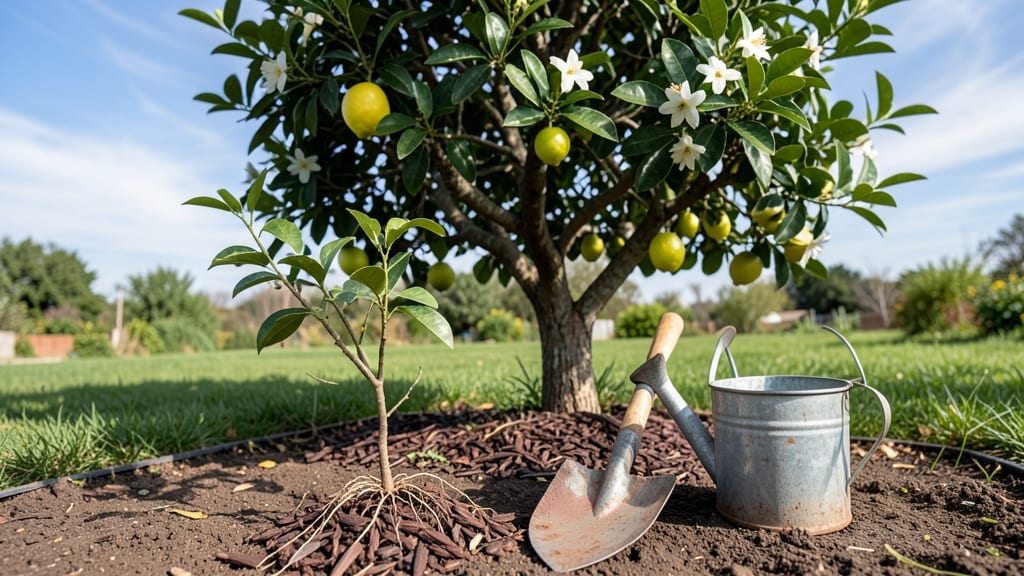
Planting a citrus tree in Arizona can transform your backyard into a year-round fruit oasis—but getting the timing wrong could spell disaster for your 🍊. The key to success lies in understanding Arizona’s unique climate, where frost-free winters and scorching summers demand precise planting windows.
If you’ve ever wondered why some citrus trees thrive while others struggle, the answer often comes down to when they’re planted.
In Arizona’s USDA Zone 9b, the ideal window stretches from November through March, when cooler temperatures and consistent moisture give young roots the best chance to establish before summer’s brutal heat arrives.
This guide will break down the exact months to plant, which heat-tolerant varieties perform best, and how to avoid common mistakes that turn citrus dreams into costly failures.
Whether you’re planting in-ground or in containers, these insights will help you grow a tree that not only survives but thrives in the desert.
Ready to turn your Arizona landscape into a citrus paradise? Let’s dive into the best practices for planting your tree at the perfect time—and keeping it healthy for years to come.
Best months to plant citrus trees in Arizona’s climate zones
Arizona’s diverse microclimates mean planting citrus isn’t one-size-fits-all. The Low Desert (Phoenix, Tucson) enjoys frost-free winters, while the High Desert (Flagstaff, Prescott) faces occasional chilly nights. Even the Transition Zones (like Yuma or Sierra Vista) require strategic timing to avoid heat stress or cold snaps.
Citrus trees thrive when planted during cooler months when soil temperatures stay below 85°F. This gives roots time to establish before Arizona’s brutal summer heat kicks in. The ideal window spans from late October through March, with November and February being the sweet spots for most regions.
For Low Desert zones (USDA 10b-11), you can push planting into early April, but avoid May—June’s 110°F+ temps will shock young roots. In High Desert areas (USDA 7b-9a), plant by late February to prevent late-spring frosts from damaging tender new growth.
🌱
Arizona Citrus Planting Guide by Climate Zone
| Zone | Best Planting Months | Soil Temp Threshold | Key Consideration |
|---|---|---|---|
| Low Desert (Phoenix, Tucson) | Nov–Mar (Apr for dwarf) | Below 85°F | Avoid summer heat shock |
| Transition (Yuma, Sierra Vista) | Oct–Feb | Below 75°F | Watch for late frosts |
| High Desert (Flagstaff, Prescott) | Sep–Nov (Feb for cold-hardy) | Above 50°F | Use windbreaks for protection |
🌡️ Pro Tip: Test soil temp with a thermometer—ideal is 60–75°F for root growth.
Why November–January? Cooler temps mean less water stress and faster root establishment. Planting in late winter (Feb–Mar) still works but requires daily watering as temps rise. Avoid summer planting—even container-grown citrus will suffer from transplant shock in 100°F+ heat.
For container citrus, you can plant year-round, but spring (April) is best for potted trees. Containers heat up faster, so use 5+ gallon pots with drainage holes and move them to shade during peak afternoon sun (1–4 PM).
Microclimates matter! A south-facing wall or paved area can raise temps by 10–15°F, making it too hot for citrus in summer. Choose shaded spots or use 50% shade cloth if planting in May–June.
🪴
After planting, mulch heavily (3–4 inches of wood chips) to keep roots cool and retain moisture. In High Desert zones, add a windbreak (bamboo fence or evergreen hedge) to protect young trees from chilly desert winds that can drop temps suddenly.
Finally, water deeply at planting (1–2 gallons for young trees) and maintain consistent moisture for the first 60 days. Drip irrigation is ideal—it delivers water slowly and directly to roots, reducing evaporation in Arizona’s dry air.
Best months to plant citrus trees in Arizona’s climate zones
Arizona’s frost-free winters and intense summer heat create a unique window for planting citrus trees. Unlike northern climates, you won’t face frost risks, but soil temperatures and humidity levels still dictate the best timing.
The ideal window spans from November through March, when cooler temps help roots establish before summer’s brutal heat arrives.
Citrus trees thrive when planted during cooler months because extreme heat can cause transplant shock. In Arizona’s Low Desert (e.g., Phoenix, Tucson), temperatures drop to 50-60°F at night during these months—perfect for root growth.
Meanwhile, the High Desert (e.g., Flagstaff) sees even cooler nights, extending the planting window slightly later into spring.
| Climate Zone | Best Planting Months | Soil Temp | Key Consideration |
|---|---|---|---|
| Low Desert (Phoenix, Tucson) | November–February | 60–75°F | Avoid April+ heat spikes |
| Transition Zones (Prescott, Sedona) | October–March | 55–70°F | Cooler nights extend window |
| High Desert (Flagstaff) | September–April | 50–65°F | Frost risk after April |
If you miss the ideal window, you can still plant in early April for the Low Desert, but expect slower root establishment. The key is to water deeply and mulch heavily to protect roots from drying out.
For container-grown citrus, timing is less critical—just avoid peak summer heat when soil in pots heats up rapidly.
Pro tip: Meyer lemons and Calamondin oranges (top AZ varieties) handle transplanting better than sour oranges or grapefruits. Choose container-grown trees over bare-root if planting outside the ideal window—they’ve already established some roots and recover faster.
Once planted, focus on consistent moisture for the first 6–8 weeks. Arizona’s alkaline soil drains quickly, so amend with compost or citrus-specific fertilizer to improve nutrient uptake. Avoid fertilizing until new growth appears in spring.
Remember: Citrus trees hate wind. Plant near a fence or wall to protect young leaves from desert gusts. With the right timing and care, your tree will reward you with fruit in 1–3 years—and shade for decades to come! 🌱🍊