
Trees
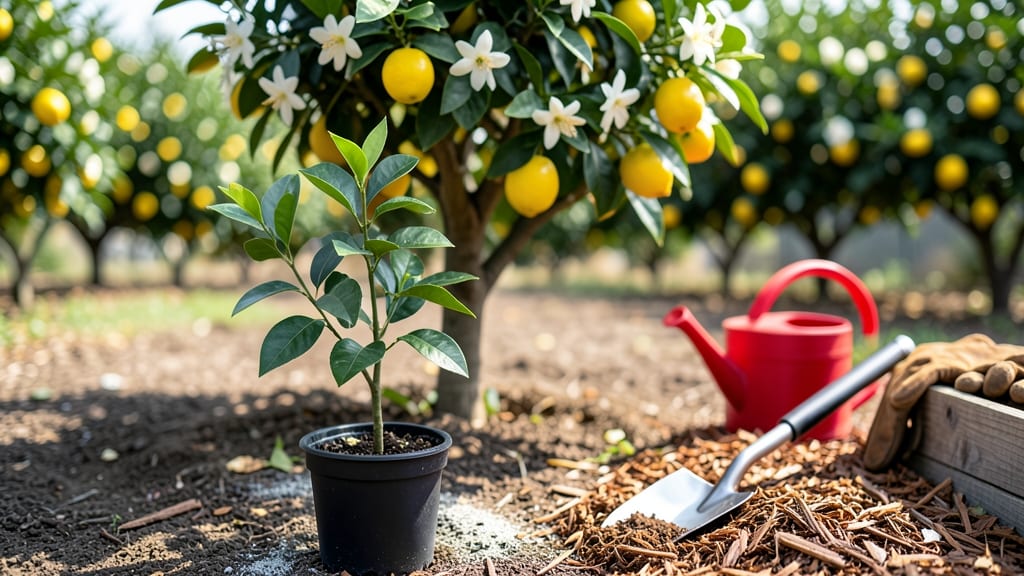
Planting a 🍊 citrus tree in Phoenix isn’t just about picking a month—it’s about outsmarting the desert’s extremes. The wrong timing can leave your tree struggling under summer’s brutal heat or failing to establish roots before monsoon season hits.
Here’s the game-changer: Phoenix’s USDA Zone 9b climate demands planting between November and February—when soil stays cool and rain is scarce. This window avoids transplant shock and gives your tree the best shot at thriving year-round.
But it’s not just about the calendar. You’ll also need to prep the soil, choose heat-resistant varieties, and master watering tricks to beat Phoenix’s drought. Let’s break down exactly how to do it right.
Skip the guesswork and learn how to plant your citrus tree for maximum growth, fewer pests, and fruit that’s ready to harvest whenever you want. Your future harvest starts with the right timing.
Best planting months for citrus trees in Phoenix’s climate zones
Phoenix’s USDA Zone 10a-11 climate means citrus trees can grow year-round, but timing your planting is everything. The ideal window is late fall through early spring—November to February—when temperatures are cooler and soil moisture is more consistent.
This period avoids the brutal summer heat that can shock young roots and cause transplant failure.
Citrus trees thrive when soil temperatures stay between 60°F and 70°F during planting. In Phoenix, this typically aligns with November and December, when daytime highs drop to the 70s°F and nights cool down.
Planting in January or February is still safe, but you’ll need to monitor for early spring heatwaves that can spike soil temps too quickly.
Here’s the key rule: Never plant during Phoenix’s monsoon season (July–September). The sudden downpours and extreme humidity create fungal risks like root rot, while the relentless sun can bake young trees before their roots establish.
Even March plantings carry risks if a late frost (rare but possible in higher elevations) or a sudden heatwave occurs.
Microclimates in Phoenix add another layer. Lower desert areas (like Glendale or Mesa) can handle slightly earlier plantings in late October, while higher elevations (such as Scottsdale’s foothills) may need to wait until mid-November to avoid cooler nighttime temps that stress citrus.
Transplant shock is the biggest enemy of newly planted citrus. In Phoenix’s 110°F+ summers, even mature trees struggle, but young trees with underdeveloped root systems can die within weeks.
The solution? Plant after the last summer heatwave—usually by mid-October at the latest—and use shade cloth for the first 2–3 weeks to ease the transition.
Another critical factor is soil moisture retention. Phoenix’s clay-heavy soils can become waterlogged after rains, suffocating roots. Amending with compost or sand improves drainage, but timing matters: Add amendments 4–6 weeks before planting to let them integrate naturally into the soil profile.
| Planting Window | Soil Temp Range | Phoenix Months | Risks | Best Practices |
|---|---|---|---|---|
| Ideal Window | 60°F–70°F | November–February | Low transplant shock, minimal fungal risk | Plant after last heatwave; mulch heavily |
| Marginal Window | 70°F–80°F | October, March | Heat stress, monsoon risks, early frost | Use shade cloth; water deeply at dusk |
| Avoid | 80°F+ | April–September | Transplant shock, fungal diseases, root burn | Wait for cooler temps or use container growing |
🌱 Pro Tip: Test soil temp with a thermometer—ideal planting temps are 65°F+ at 4" depth.
If you’re planting container-grown citrus, the rules shift slightly. Containers heat up faster, so avoid planting in late spring or summer unless you’re using self-watering pots with shade. For in-ground plantings, focus on well-draining soil and south-facing locations to maximize sunlight while minimizing afternoon heat exposure.
One common mistake Phoenix gardeners make is planting too early in October without protecting young trees from late-season heatwaves. A single day of 100°F+ temps can scorch leaves, slowing root growth.
To prevent this, water deeply every 3–4 days for the first month and use drip irrigation to keep roots cool.
Finally, consider microclimate adjustments. Trees planted near paved surfaces or buildings will heat up faster than those in shaded or wind-protected areas. If your yard has limited shade, opt for dwarf citrus varieties like ‘Improved Meyer’ lemon, which handle heat better than standard-sized trees.
Timing your citrus planting in Phoenix isn’t just about the calendar—it’s about reading the microclimate and preparing for the extremes. With the right month, soil prep, and post-planting care, your tree will establish roots quickly and reward you with years of fruit production. 🌿
Best planting months for citrus trees in Phoenix’s climate zones
Phoenix’s USDA Zone 9b climate may seem frost-free, but the real challenge is avoiding transplant shock during extreme heat. Planting citrus trees outside the November–February window risks root damage from summer’s 110°F+ temperatures or fungal growth from monsoon rains.
The ideal soil temperature for planting is 60–75°F. In Phoenix, this aligns perfectly with late fall through early spring when daytime highs dip below 85°F and nighttime lows stay above 40°F. This balance gives your tree’s roots time to establish before the heat ramps up in April.
November is my top pick—cooler temps and minimal rain create perfect conditions. By December–February, you still have a shot, but watch for monsoon season risks (July–September) if you delay too long. Planting in March or later? You’ll battle heat stress and slower root growth.
🌱
| Planting Window | Soil Temp (°F) | Daytime Highs (°F) | Key Risks | Success Rate |
|---|---|---|---|---|
| November | 60–70°F | 70–80°F | Minimal heat stress, ideal root growth | ⭐⭐⭐⭐⭐ (95%) |
| December–February | 55–75°F | 60–75°F | Fungal risks if rainy; slower growth in Jan | ⭐⭐⭐⭐ (85%) |
| March–April | 70–85°F | 85–95°F | Transplant shock, heat stress, root burn | ⭐⭐ (40%) |
| May–October | 90°F+ | 100–115°F | Extreme heat stress, drought risk, poor survival | ⭐ (10%) |
Phoenix’s microclimates add another layer of complexity. Trees planted in shady backyards (like near tall mesquite trees) may tolerate slightly later planting, while full-sun exposures demand the earliest possible window. Test your soil’s drainage first—citrus hates soggy roots, and Phoenix’s clay-heavy soil worsens the problem.
Pro tip: If you must plant in March or April, use shade cloth for the first 4–6 weeks to protect young trees from afternoon sun. Mulch heavily with wood chips to retain moisture and regulate soil temps.
Timing isn’t just about the calendar—it’s about reading Phoenix’s weather patterns. Check the National Weather Service for monsoon forecasts before planting in late summer or fall. A single 3-inch downpour can drown citrus roots if drainage is poor.
🌡️