
Plants
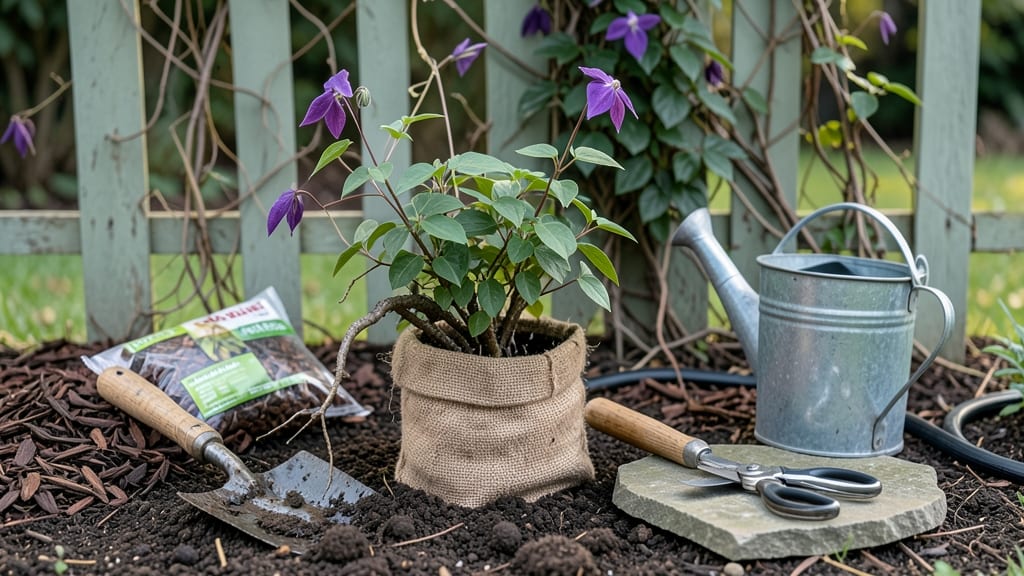
Timing your clematis planting in Colorado could mean the difference between a thriving 🌸 clematis vine that blooms for years and one that struggles to survive the first winter.
With frost dates that vary wildly from Denver’s urban heat islands to the high-altitude chill of the Rockies, knowing exactly when to plant is the key to success.
Most Colorado gardeners in zones 5-7 have two prime windows: early spring (March-April) when the soil warms enough to work, or early fall (September-October) when plants can establish roots before dormancy.
But here’s the catch—your elevation and microclimate play a bigger role than you might think, especially when last frost dates shift from mid-April in lower elevations to late May in mountain areas.
I’ll break down the exact months that work best for your specific zone, plus pro tips for preparing soil and protecting young vines from Colorado’s unpredictable weather. Whether you’re planting in the Front Range or the Western Slope, you’ll leave here with a clear timeline tailored to your garden’s conditions.
Ready to transform your yard into a clematis paradise? Let’s dive into the planting schedule that’ll have your vines climbing—and blooming—like never before.
Best planting months for clematis in Colorado’s climate zones
Colorado’s diverse USDA zones (3-8) create a complex puzzle for clematis planting. Unlike coastal regions, our high-altitude microclimates shift frost dates dramatically—even within the same city. For example, Denver’s zone 5b averages last frost on April 15, while Colorado Springs’ zone 5a can see frost until May 1.
These differences mean your planting window could vary by 3-4 weeks depending on elevation.
Most Colorado gardeners succeed by planting clematis in either early spring (March-April) or early fall (September-October). Spring planting gives vines 8-10 weeks to establish roots before winter, while fall planting allows roots to settle before dormancy.
The key? Avoid planting when soil temps exceed 70°F—this stresses young roots and invites disease.
Altitude adjustments are critical. At 5,000+ feet (common in Denver), aim for March 15-April 15 spring planting. In high-altitude zones (6-7) like Aspen or Breckenridge, push planting to late April-early May to avoid late frosts. For low desert areas (zone 7b), like Pueblo, February-March works best.
| USDA Zone | Best Planting Window | Key Consideration | Altitude Range |
|---|---|---|---|
| Zone 3-4 | Late April - Early May | Wait for soil thaw; use cold-hardy varieties | 6,000-8,000 ft |
| Zone 5a-5b | March 15 - April 15 | Avoid late frosts; mulch heavily | 5,000-6,500 ft |
| Zone 6-7 | February-March or September-October | Fall planting preferred; soil stays warm longer | 4,000-5,500 ft |
| Zone 7b+ (Low Desert) | February-March | Plant early to beat summer heat | Below 4,000 ft |
Fall planting in Colorado offers unique advantages. By planting in September-October, you allow roots to establish before winter dormancy. This is especially useful in zone 6-7 areas where summers are hot.
However, avoid planting after October 15—new roots won’t have time to harden off before frost. For high-altitude zones (5-4), stick to spring planting to prevent winter kill.
Microclimates within cities add another layer. A south-facing slope in Colorado Springs may warm up 2-3 weeks earlier than a north-facing yard. Use these microclimates to your advantage: plant heat-loving varieties like ‘Jackmanii’ on warm slopes, while cold-hardy ‘Niobe’ thrives in cooler spots.
Always monitor local Almanac frost dates—they’re your best guide.
Container gardening extends your planting window in Colorado. If you live in a zone 4-5 area, start clematis in pots in March, then transplant after last frost. This buys you 4-6 extra weeks of growing time.
Just ensure containers have drainage holes and use a lightweight potting mix to prevent root rot in our dry climate.
Watch for false springs—a common trap in Colorado. A warm February can fool you into planting early, only for a late frost to damage tender new growth.
Use frost cloth if planting in March, and avoid planting until soil temps consistently stay above 50°F for at least 5 days. A soil thermometer is your best friend here.
Colorado’s dry, low-humidity air means clematis planted in spring needs consistent moisture to establish. After planting, water deeply 2-3 times per week until roots spread. In fall, reduce watering 4 weeks before first frost to encourage dormancy.
Mulch with 3-4 inches of straw or wood chips to retain moisture and regulate soil temps.
Remember: clematis planted in fall often outperform spring-planted vines in Colorado. The 6-8 week head start on root growth means less stress during our short growing season. If you’re new to clematis, start with hardy varieties like ‘Jackmanii’ or ‘Montana’—they forgive timing mistakes better than tender types.
🌸
Best planting months for clematis in Colorado’s climate zones
Colorado’s USDA zones 5-7 create a complex planting puzzle for clematis. In zone 5 (high-altitude areas like Steamboat Springs), aim for late May to early June when soil temperatures stabilize above 50°F.
Meanwhile, zone 7 (Denver metro) gardeners can plant as early as March 15-April 15—just before the last frost date of April 15.
The key difference? Elevation shifts frost dates by weeks. Mountain regions (zones 3-4) should wait until late May, while Front Range areas (zones 6-7) can plant in early spring or fall. Fall planting works best in September-October, giving roots 4-6 weeks to establish before dormancy.
| Zone | Spring Window | Fall Window | Soil Temp |
|---|---|---|---|
| 3-4 (Mountains) | Late May–Early June | N/A (Too short growing season) | 55°F+ |
| 5 (Western Slope) | April 15–May 15 | September 15–October 1 | 50°F+ |
| 6-7 (Front Range) | March 15–April 15 | September 1–October 15 | 45°F+ |
For Denver-area gardeners (zone 6), early spring planting (March-April) gives clematis a 10-12 week head start before summer heat arrives. The last frost date of April 15 marks your cutoff—planting after this risks frost damage to tender new growth.
In Colorado Springs (zone 6), aim for April 1-15 when nighttime temps stay above 40°F consistently.
Fall planting in September-October works best for hardy varieties like ‘Jackmanii’ or ‘Niobe’. Choose this window if your soil stays workable until mid-October. The goal? Let roots establish before first frost, which hits October 15 in most areas.
In zone 7, you have until October 31—but avoid planting after November 1.
Pro tip: Use a soil thermometer to confirm temps are 45°F+ before planting. Cold soil slows root growth, making clematis vulnerable to winter dieback. In high-altitude zones (5000+ ft), wait until soil warms to 55°F—this can delay planting until late May.
Remember: Container-grown clematis can handle slightly earlier planting (2-3 weeks ahead) since their roots aren’t bound by frozen ground. Just ensure your pots have drainage holes and use well-draining soil mixes to prevent rot in Colorado’s dry climate.