
Plants
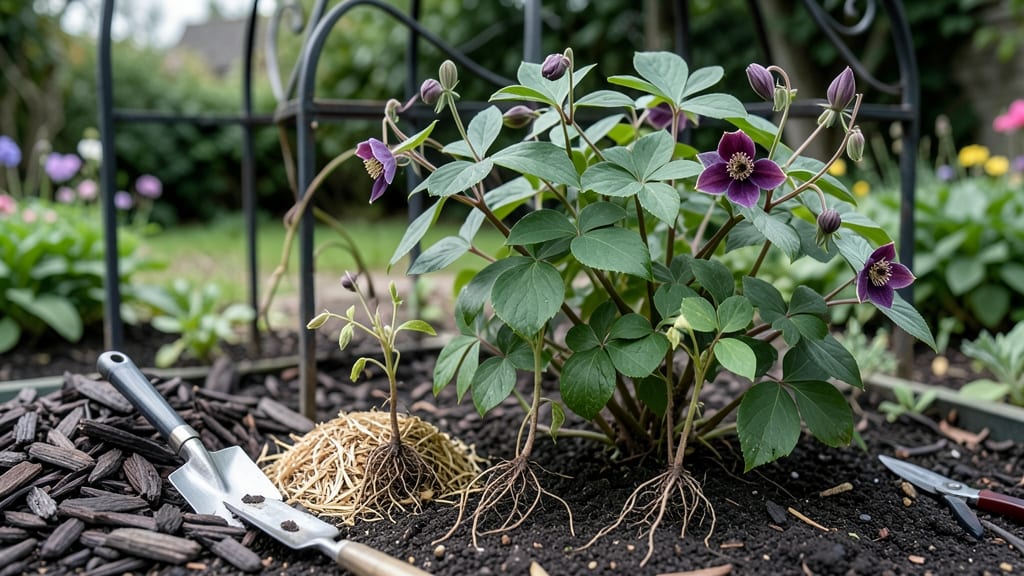
Planting clematis in Texas isn’t just about picking the right month—it’s about outsmarting the heat and avoiding the brutal summer sun that can fry young vines. The perfect window for Texas gardeners is either late fall (September–November) or early spring (February–March), when temperatures are mild and the soil stays workable.
Why does timing matter so much? Clematis 🌸 thrives in zones 8a-10b, but Texas’s extreme heat can stress plants if they’re planted too early. North Texas (like Dallas) has a narrower window than South Texas (like Houston), where winters are milder.
I’ll break down the exact timing for your region—plus the heat-resistant varieties that handle Texas summers like a champ.
You might think all clematis are the same, but some varieties are bred to withstand Texas’s scorching afternoons. From Jackmanii to Niobe, these tough climbers bloom beautifully without wilting.
Plus, I’ll share pro tips for soil prep, watering, and shade hacks to give your clematis the best shot at survival—and stunning growth.
Ready to transform your garden with vibrant, heat-proof clematis? Let’s dive into the exact steps to plant them at the ideal time, so you can enjoy those showstopping blooms year after year—no matter how hot it gets.
Best planting times for clematis in Texas by region (heat zones 7-10)
Texas’s diverse climate zones (7-10) mean your clematis planting window depends on where you live.
In North Texas (Zones 7-8), like Dallas or Fort Worth, aim for early fall (September-October) or late winter (February-March) to avoid summer’s brutal heat. Central Texas (Zone 8a), including Austin, has a slightly extended window—plant as late as mid-November or as early as January.
For South Texas (Zones 9-10), like Houston or San Antonio, the fall window stretches longer (September through November) because milder winters allow safer late planting. However, early spring (February) is riskier due to sudden heat spikes.
Always check your last frost date—North Texas averages February 15, while South Texas rarely sees frost.
Here’s the critical rule: Plant clematis when soil temps are 60-70°F and daytime highs stay below 85°F. Young vines can’t handle Texas’s 100°F+ summers, so avoid planting in April-May unless you’re in shaded microclimates.
🌱
| Region | USDA Zone | Best Fall Window | Best Spring Window | Key Risk |
|---|---|---|---|---|
| North Texas | 7-8 | September 15-October 15 | February 15-March 15 | Late frost (Feb) or summer heat (May) |
| Central Texas | 8a | September 1-October 31 | January 15-February 15 | Sudden heat spikes (March) |
| South Texas | 9-10 | September 1-November 15 | February 1-March 15 | Minimal frost risk; focus on shade |
Why fall planting works best in Texas? Cooler temps and consistent rainfall help roots establish before summer. In North Texas, aim to plant 6-8 weeks before first frost (usually by October 15).
For South Texas, where frost is rare, focus on soil moisture retention—mulch heavily to protect roots from drought stress.
If you miss fall, early spring (February) is your second chance—but rush it, and heat stress will stunt growth. In Zone 10 (South Texas), some gardeners plant as late as December, but young vines need shade cloth (30-50%) until March.
Pro tip: Use a soil thermometer to confirm temps are below 75°F before planting.
Container planting extends your window—pots warm up faster than soil, so plant containers in spring (March) and move them to partial shade by June. Just ensure pots have drainage holes to prevent root rot in Texas’s clay-heavy soil.
🌿
For microclimates, like urban Austin or coastal Houston, adjust by 1-2 weeks. Urban areas stay 5-10°F warmer than rural spots, so plant earlier in fall (late August) or later in spring (mid-March).
Coastal areas benefit from humidity, reducing watering needs but increasing fungal risks—choose disease-resistant varieties like 'Jackmanii'.
Finally, avoid planting during Texas’s monsoon season (May-September). Heavy rains can drown roots and wash away young plants. If you must plant in summer, use raised beds with sandy loam to improve drainage and water deeply every 3-4 days.
☀️
Best planting times for clematis in Texas by region (heat zones 7-10)
Texas’s diverse climate zones (7-10) create big differences in clematis planting success. In North Texas (Zones 7-8), like Dallas and Fort Worth, late winter to early spring (February-March) is ideal—after the last frost but before summer heat spikes.
Meanwhile, Central Texas (Zone 8a), including Austin, benefits from fall planting (September-November) to beat the brutal summer.
For South Texas (Zones 9-10), like Houston and San Antonio, fall is critical—plant between September and November to avoid the 100°F+ summers that can fry young vines. Even early spring (February) works here, but avoid planting after March 15 when temperatures rise sharply.
Microclimates matter: Urban areas like Austin often have 5-10°F cooler nights than rural spots, delaying frost. Check your last frost date (e.g., February 15 in North Texas, March 15 in Central Texas) and plant 4-6 weeks before to give roots time to establish.
⚠️ PRO TIP: Use a soil thermometer—clematis roots thrive in 60-70°F soil. If temps exceed 80°F, delay planting until cooler evenings arrive.
🌡️ Texas Clematis Planting Window by Region
| Region | USDA Zone | Best Planting Window | Avoid Planting After | Key Consideration |
|---|---|---|---|---|
| North Texas (Dallas, Fort Worth) | 7-8 | Feb 15 - Mar 15 | April 1 | Last frost: Feb 15 |
| Central Texas (Austin) | 8a | Sep 1 - Nov 15 | Feb 15 | Fall humidity helps roots |
| South Texas (Houston, San Antonio) | 9-10 | Sep 15 - Nov 30 | March 15 | Summer heat kills young vines |
If you miss the ideal window, container planting buys you flexibility—move pots to shade during 100°F+ heatwaves. For in-ground clematis, mulch heavily (3-4 inches) to retain moisture and water deeply (1-2 gallons) every 3-4 days until roots establish (6-8 weeks).
In Zone 10 (Deep South Texas), year-round planting is possible with shade cloth and daily watering, but fall remains best for 90% of gardeners. Test soil moisture—if it’s bone-dry 2 inches down, your clematis is thirsty.
Timing isn’t just about frost—it’s about heat stress. Clematis vines planted in May-July often wilts within weeks due to Texas’s intense sun. Prioritize fall or early spring for 95% success rates in most regions.