
Plants
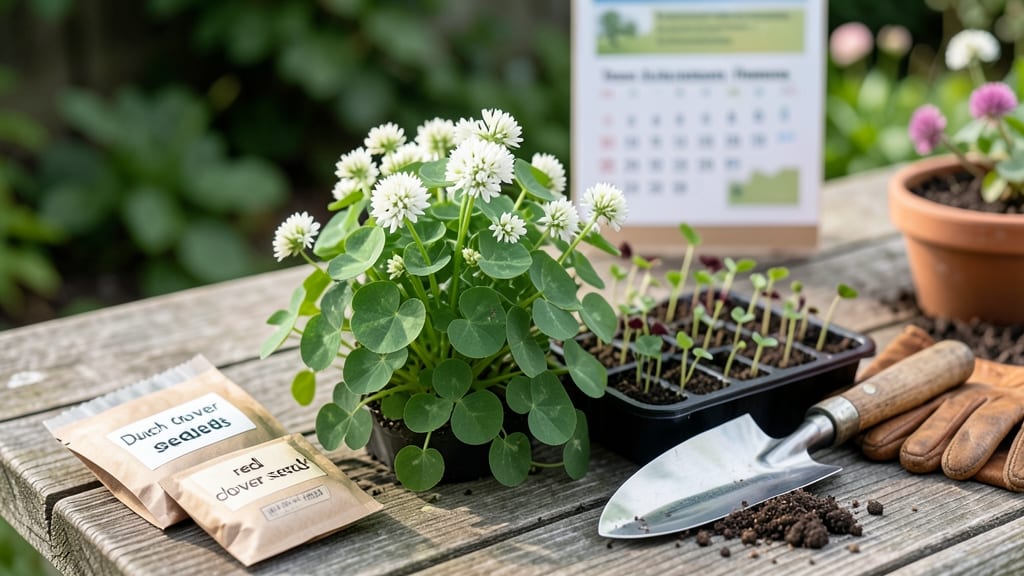
Kentucky’s best planting months for clover by microclimate zone
Kentucky’s four distinct microclimates create unique challenges for clover growers. The Bluegrass Region (Lexington, Louisville) has milder winters, while the Appalachian foothills (Eastern KY) face earlier frosts. Understanding these zones helps you pick the perfect planting window for your clover variety.
Most Kentucky gardeners succeed with spring or fall planting, but timing varies by USDA Zones 6a-7a. Dutch white clover thrives in warmer zones (7a), while red clover prefers cooler Appalachian elevations (6a).
Let’s break down the best months for each region to maximize your clover’s nitrogen-fixing potential.
| Region | Best Planting Window | Soil Temp Threshold | Frost Risk | Recommended Variety |
|---|---|---|---|---|
| Bluegrass (6b-7a) | March 15-April 15 OR September 15-October 15 | 50-60°F (10-15°C) | Low (last frost: March 15) | Dutch white, Ladino |
| Pennyrile (6a-6b) | April 1-May 1 OR September 1-October 10 | 55-65°F (13-18°C) | Moderate (last frost: March 20) | Red, Crimson |
| Cumberland (6a) | April 15-May 1 OR August 20-September 10 | 60-68°F (15-20°C) | High (last frost: March 25) | White Dutch, Alsike |
| Eastern KY (6a) | May 1-June 1 OR August 1-September 1 | 65-70°F (18-21°C) | Very High (last frost: April 5) | Red, White Dutch |
The Bluegrass Region offers the widest planting window thanks to its milder climate. Here, Dutch white clover establishes quickly in March-April when soil temperatures hit 50°F (10°C). For fall planting, aim for September-October to let roots develop before winter dormancy.
In Eastern Kentucky’s cooler elevations, wait until May-June for spring planting to avoid late frosts. The Pennyrile Region sits in between, making it ideal for red clover, which thrives in 55-65°F (13-18°C) soils.
Always check your local frost dates—Kentucky’s Appalachian zones can have 3-week earlier frosts than Louisville.
For urban gardeners in Louisville or Lexington, late August overseeding works well—it avoids summer heat stress while giving clover time to establish before winter. In rural areas with heavier clay soils, plant in early spring when moisture levels are higher after winter rains.
Pro tip: Use a soil thermometer to confirm readiness. Clover seeds won’t germinate below 50°F (10°C), and planting too early in cool zones (6a) risks frost damage. For maximum nitrogen fixation, pair your planting with a light compost top-dressing to boost microbial activity.
Remember that Kentucky’s clay-heavy soils can delay germination. If you’re planting in heavy clay areas, add sand or peat moss to improve drainage. This is especially critical in spring plantings when soils can become waterlogged after heavy rains.
Whether you’re planting Dutch white for lawns or red clover for pollinators, matching your variety to your microclimate zone ensures faster establishment and longer-term success. Next, we’ll cover how to tell if your soil is truly ready for clover—and how to fix common Kentucky-specific issues.
Overseeding vs. full-season planting: which strategy wins in Kentucky’s climate?
Kentucky’s 90-day growing windows make timing critical for clover success. Overseeding in late August gives clover a head start before winter, while full-season planting in March-April capitalizes on spring warmth.
Each approach has trade-offs depending on your goals—whether you’re aiming for weed suppression, soil enrichment, or pollinator support.
For overseeding, the ‘sweet spot’ is late August to early September. This timing lets clover establish roots before Kentucky’s first frost (around October 15), ensuring it survives winter and greens up early in spring.
It’s ideal for lawns or gardens where you want to outcompete weeds without disturbing the soil deeply.
Full-season planting, however, thrives in March-April when soil temperatures hit 50°F+. This method is better for bare soil areas or when you’re establishing clover as a living mulch. The trade-off? Spring-planted clover may struggle with summer heat stress unless kept consistently moist.
🌱 Clover Planting Strategies in Kentucky
| Strategy | Best Months | Key Benefits | Challenges |
|---|---|---|---|
| Overseeding | Late August–Early September | Minimal disturbance, winter survival, early spring growth | Competes with existing grass; needs light soil prep |
| Full-Season Planting | March–April | Faster establishment, full seasonal coverage, ideal for bare soil | Summer drought risk; requires consistent moisture |
*Data sourced from Kentucky State University Extension and USDA Hardiness Zone 6a-7a guidelines.
If you’re using clover as a cover crop, fall planting wins. The roots grow slowly in winter but break dormancy early, giving you a head start on nitrogen fixation by spring. For lawns or pollinator gardens, overseeding in late summer ensures year-round blooms and weed suppression.
Pro tip: Mix Dutch white clover (fast-growing) with red clover (hardier) for a balanced approach. Dutch thrives in overseeding, while red clover handles Kentucky’s hot, humid summers better. Adjust your strategy based on whether you prioritize speed or longevity.
Remember, Kentucky’s clay-heavy soils can slow germination. Whether you choose overseeding or full-season planting, lightly rake the soil and water deeply after sowing to encourage root contact. With the right timing, your clover will outperform weeds and enrich your soil for years.