
Plants
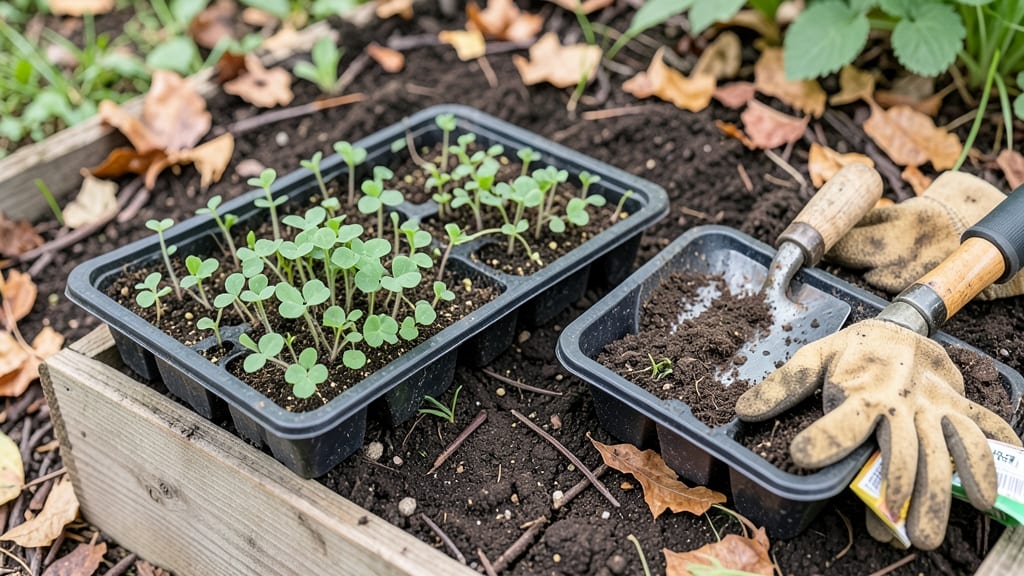
Planting clover in the fall is one of the smartest moves you can make for a lush, green lawn next spring—but timing it wrong could mean wasted seeds and missed opportunities.
The key lies in understanding your local frost dates and soil conditions, especially if you're in USDA Zone 6a or beyond.
Most gardeners overlook how fall planting gives clover a head start before winter dormancy, setting it up to thrive when warmer weather returns. I’ve seen firsthand how a 4-6 week window before frost can transform a patchy lawn into a vibrant carpet of green.
Let me show you exactly when to plant in your zone for the best results.
We’ll cover the ideal weeks before frost for your region, plus how to prep your soil and choose the right clover variety for cold climates. Avoiding common mistakes—like planting too late or in poor soil—could mean the difference between success and frustration.
Whether you’re aiming for erosion control, natural lawn improvement, or just a healthier garden, fall clover planting is a game-changer. Ready to learn how to do it right? Let’s get started.
Fall planting windows by USDA hardiness zones: exact weeks before frost
Planting clover in the fall gives it a head start before winter dormancy, but timing is everything. The ideal window is 4-6 weeks before your first frost date, allowing roots to establish while avoiding winter stress.
For USDA Zones 3-10, this translates to late August through mid-October, but your exact timing depends on your local climate.
In Northern zones (3-6), aim to plant by mid-September to give clover time to germinate before hard frosts. Southern zones (7-10) can push planting until early November, as milder winters allow later establishment. Always check your average first frost date—this is your planting deadline.
Soil temperature is just as critical as frost dates. Clover seeds need 60-70°F soil to germinate, so avoid planting when soils are still warm (above 75°F) or already cooling (below 55°F). Use a soil thermometer to confirm readiness.
🌱
Regional variations matter. In Pacific Northwest zones (6-8), plant by mid-September to avoid wet, cool soils that delay germination. Meanwhile, Southeastern zones (7-9) can plant until early November, thanks to longer frost-free periods.
For mountainous areas, adjust by 2-3 weeks earlier—cooler microclimates mean faster frost arrival. Always account for elevation changes, which can shift frost dates significantly even within the same zone.
Pro tip: Use a planting calendar or local cooperative extension service for hyper-local advice. They provide frost dates updated annually, accounting for climate shifts. This precision ensures your clover thrives.
Mulching after planting helps retain soil warmth and moisture. Apply 2-3 inches of straw (not wood chips) to protect seeds from temperature swings and drying winds. Remove mulch before winter dormancy begins.
🌿
Fall planting windows by USDA hardiness zones: exact weeks before frost
Planting clover in fall gives it time to establish roots before winter, but timing is everything. The key is planting 4-6 weeks before your first frost date—this ensures seeds germinate and seedlings develop a strong root system before dormancy.
In USDA Zones 3-7, aim for late August to mid-September, while Zones 8-10 can extend planting until early October.
Soil temperature is your best guide: clover seeds need 60-70°F soil to germinate. In cooler zones, wait until late summer when soil warms up. Southern zones (8-10) can plant earlier since frost arrives later. Always check your local average frost dates—they vary by 1-2 weeks per zone.
| Zone | Ideal Planting Window | Soil Temp Goal | Key Tip |
|---|---|---|---|
| 3-4 | Late August - Early September | 60-65°F | Use black plastic mulch to warm soil |
| 5-6 | Mid-August - Mid-September | 65-70°F | Test soil moisture weekly |
| 7-8 | Late August - Early October | 60-70°F | Extend window with row covers |
| 9-10 | September - Early October | 55-65°F | Plant microclover for late starts |
Northern climates (Zones 3-6) need to plant earlier because frost arrives sooner. In Zone 4, for example, aim for late August—any later and seedlings may not establish before winter. Southern zones (8-10) have more flexibility, but plant by mid-October at the latest to avoid winter stress.
Pro tip: Use a soil thermometer to confirm temperatures. If soil is below 60°F, wait 1-2 weeks. In dry climates, water deeply 2-3 days before planting to encourage germination. Mulch lightly after planting to retain moisture and protect young seedlings.
Remember, clover planted in fall will dormant over winter but emerge stronger in spring. The earlier you plant within your zone's window, the more time clover has to establish—leading to thicker coverage and faster spring growth. Don't wait too long, though—planting too close to frost risks weak seedlings.
For best results, combine fall planting with light soil prep: till in compost, rake smooth, and avoid heavy fertilization. Clover thrives in moderate fertility—too much nitrogen now can harm winter survival. 🌱