
Plants
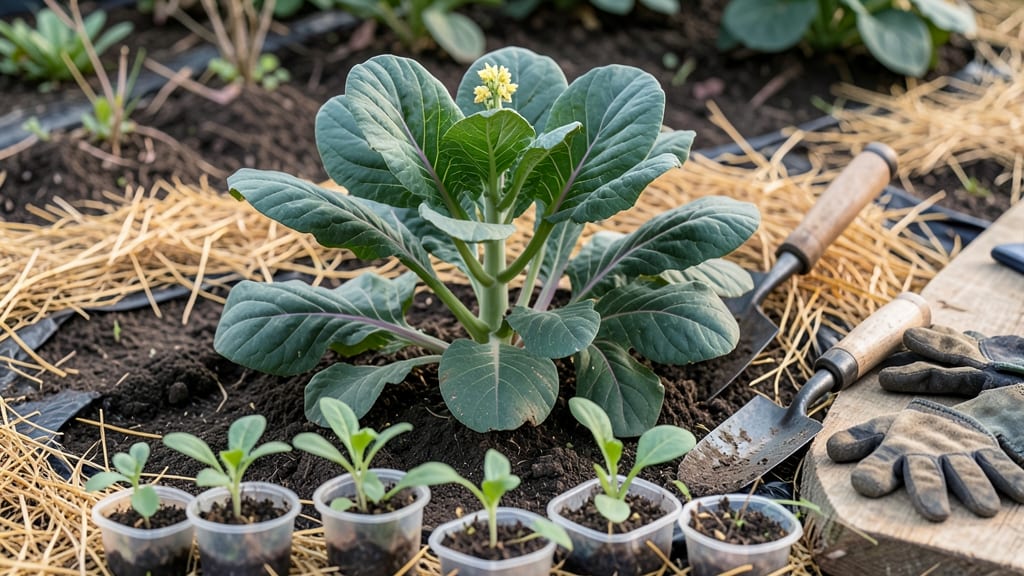
If you're dreaming of a garden packed with nutritious, heat-loving greens like 🥬 collards, timing your Mississippi planting is the key to success. Planting these leafy powerhouses at the wrong time can leave you with bitter, stunted plants instead of the tender, flavorful harvest you crave.
Mississippi's unique climate—with its long summers and early frosts—demands precision when it comes to collard planting. Whether you're a seasoned gardener or just starting out, knowing when to plant these resilient greens can mean the difference between a thriving garden and a disappointing one.
In this guide, I'll walk you through the perfect planting windows for Mississippi's 8a zone, including the best times to start seeds and transplant seedlings. You'll also discover heat-tolerant varieties that thrive in our Southern summers and learn how to avoid common mistakes that can sabotage your collard crop.
Ready to grow collards that taste as good as they look? Let’s get started with the timing and tips you need for a successful harvest from spring to fall.
Best planting windows for collards in Mississippi’s climate zones
Mississippi’s USDA Zone 8a climate creates two perfect windows for growing collards: spring and fall. The key is avoiding extreme summer heat, which causes bolting, and early frost, which stunts growth.
Let’s break down the ideal timing for your region, whether you’re in the Delta, Gulf Coast, or North Mississippi hills.
The average last frost date in Mississippi is around March 15, while the first frost typically hits November 15. These dates anchor your planting schedule—plant too early, and your collards may bolt; too late, and they’ll struggle with cold.
For a spring harvest, aim for late February to early March, while fall planting should occur between August and early September.
Mississippi’s microclimates add nuance. In the hotter Delta region, focus on fall planting to escape summer’s intensity. Meanwhile, cooler northern areas like Tupelo can handle an earlier spring start (as early as February) and a later fall harvest (into November).
The Gulf Coast, with its milder winters, can even extend fall planting into early October.
| Planting Window | Region | Soil Temp | Harvest Time |
|---|---|---|---|
| Late February - Early March | North Mississippi | 50-60°F | May - June |
| March - Early April | Central Mississippi | 55-65°F | June - July |
| August - Early September | Delta & Gulf Coast | 65-75°F | October - November |
| Early October (Gulf Coast only) | Coastal Areas | 70-75°F | December (light frost) |
For spring planting, start seeds indoors 4-6 weeks before your target date to give them a head start. Mississippi’s soil temperature should reach at least 50°F before direct sowing outdoors. Use black plastic mulch to warm the soil faster in cooler regions like Tunica or Oxford.
In the Delta, where soils stay warmer longer, you can plant outdoors as early as mid-February.
Fall planting is where Mississippi gardeners truly shine. The long growing season lets you extend harvests into winter. Plant 6-8 weeks before your first frost (typically early September) for a late fall harvest.
In southern Mississippi, you can even push planting to early October for a December harvest, though leaves may taste slightly sweeter after light frost.
Mississippi’s humidity and heat demand extra care. After planting, keep seedlings consistently moist (1-2 inches of water per week) and use shade cloth during summer’s peak (June-July) to prevent bolting.
In fall, focus on nutrient-rich soil—amend with compost or a balanced fertilizer (10-10-10) to support rapid growth before cold sets in.
Pro tip: Use row covers in early spring or late fall to protect young plants from unpredictable temperature swings. In northern Mississippi, a sudden March cold snap can delay growth, while southern regions may face hurricane-related flooding in late summer.
Always have a backup planting plan for your zone.
Mississippi’s climate variability means your exact planting dates may shift yearly. Check your local Mississippi State Extension Service for updated frost dates and weather forecasts. With the right timing, your collards will thrive, giving you tender, flavorful greens from spring through fall.
Remember, collards are heat-tolerant but not heat-loving—balance sun exposure with cool evenings for the best results. Whether you’re in Jackson’s urban gardens or rural Lafayette County, these windows will set you up for success.
Best planting windows for collards in Mississippi’s climate zones
Mississippi’s 8a climate zone offers two prime windows for planting 🥬 collards, but timing depends on whether you want a spring or fall harvest.
Spring plantings should begin 4-6 weeks before your last frost date—typically late February to early March—while fall plantings thrive when seeded 8-10 weeks before the first frost, usually mid-August to early September.
For northern Mississippi, where frosts arrive earlier, aim for March 1st as your spring deadline, while southern regions like the Gulf Coast can push plantings until April 15th. Fall plantings in the Delta region should start by July 31st to avoid heat stress before cooler weather sets in.
| Planting Window | Ideal Months | Soil Temp Threshold | Harvest Window |
|---|---|---|---|
| Spring | Late Feb - Early Mar | 50°F+ (10°C+) | May - June |
| Fall | Mid-Aug - Early Sep | 60°F+ (15°C+) | Oct - Nov |
Mississippi’s humidity and heat demand extra care during summer months. If you attempt a summer planting, choose heat-tolerant varieties and provide afternoon shade to prevent bolting. Transplant seedlings instead of direct-sowing in summer to avoid stressing young plants in 90°F+ (32°C+) temperatures.
For container gardening, start seeds indoors 6-8 weeks before transplanting to extend your growing season. Use biodegradable pots to minimize root disturbance when moving seedlings outdoors. This method works especially well for urban gardeners in Jackson or Biloxi with limited space.
Always check your local Mississippi State University Extension Service for updated frost dates, as microclimates can shift planting windows by 1-2 weeks. For example, areas near the Tennessee border may need earlier plantings than coastal regions like Pascagoula.
Pro tip: Mark your calendar for April 15th and September 15th as your last chances for spring and fall plantings, respectively. These dates align with Mississippi’s average last frost and give collards enough time to mature before winter chills arrive.