
Plants
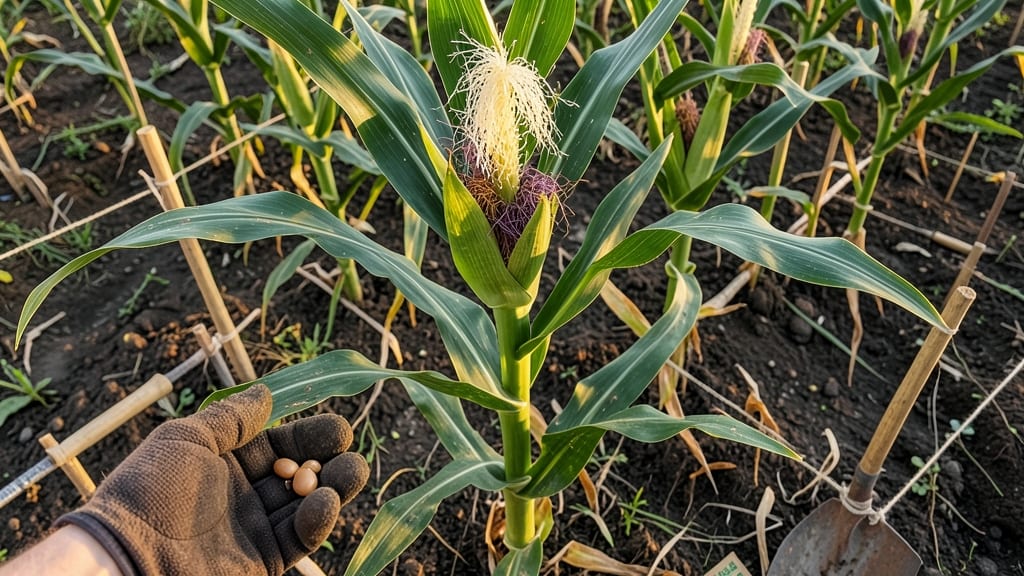
Timing your 🌽 corn planting in East Texas isn't just about the calendar—it's about catching that sweet spot between soil warmth and the last frost.
Plant too early, and your tender seedlings could get nipped by late freezes; too late, and the summer heat might stunt their growth before they even reach maturity.
East Texas gardeners know the mid-April to early May window is ideal, but there's more to it than just dates.
We're talking soil temperatures that need to hit at least 60°F—deep enough to encourage strong root development—while still giving your corn enough time to mature before the heat of July kicks in.
What if you've missed the traditional window? Don't worry—I'll show you how to adjust for your specific microclimate, whether you're in Tyler's cooler pockets or Beaumont's more humid stretches.
Plus, I'll share the best local varieties that thrive in our USDA Zone 8a conditions, so you can enjoy sweet, plump ears from late July right through October.
Ready to grow corn that rivals your favorite roadside stand? Let's dive into the exact strategies that'll give you a bumper crop, no matter where you are in East Texas.
Ideal soil temperature & frost-free window for corn planting in East Texas
In East Texas, getting your corn planting timing right means waiting for both soil warmth and the last frost date. Corn thrives when soil temperatures hit at least 50°F at 4-inch depth, but germination speeds up significantly at 60°F or warmer.
This usually aligns with mid-April to early May in most East Texas counties.
East Texas spans USDA hardiness zones 7b to 9a, which means frost dates vary slightly by location. For example, areas like Tyler and Longview typically see their last frost around March 15, while Beaumont and Orange may experience frost as late as March 30.
Always wait 2 weeks after the last frost before planting to ensure safety.
Corn is sensitive to late frosts, which can kill young plants. If you're in a cooler microclimate, consider starter plants or use row covers for early plantings.
The frost-free window in East Texas runs from about March 15 to November 15, giving you a long growing season—but corn needs 90-120 days to mature.
Here’s what you need to know about soil temperature and frost dates for East Texas corn planting:
| Factor | East Texas Specification | Key Notes |
|---|---|---|
| Soil Temperature | 60°F+ at 4-inch depth | Wait until soil warms consistently; use a soil thermometer. |
| Last Frost Date | March 15–March 30 | Add 2 weeks buffer for safety; varies by county. |
| USDA Hardiness Zones | 7b–9a | Cooler zones (7b) may need earlier varieties. |
| Frost-Free Window | March 15–November 15 | Long enough for 2–3 plantings per season. |
| Ideal Planting Window | Mid-April–Early May | Avoid summer heat stress; plant for fall harvests. |
If you’re planting early-season varieties, you can start as early as late March in warmer microclimates, but be prepared to protect seedlings with frost cloth if temperatures dip. For sweet corn varieties, aim for mid-April to ensure harvests before the summer heat peaks in July and August.
East Texas’ clay-heavy soils can retain cold longer, so test your soil temperature with a soil thermometer before planting. If your soil is still cool in April, consider black plastic mulch to warm it up faster.
This is especially helpful in higher elevations like Athens or Nacogdoches, where nights can still be chilly.
One common mistake is assuming all of East Texas has the same frost dates. For example, Beaumont’s coastal influence can delay frosts by a week or more compared to rural areas near Palestine. Check your local Texas A&M AgriLife Extension office for precise frost data tailored to your county.
Once your soil hits 60°F and you’ve passed the last frost date, it’s time to plant. But don’t rush—corn grown in too-cool soil will have poor root development and struggle to support those towering stalks. Patience here pays off with healthier, higher-yielding plants by harvest time.
For successive plantings, you can stagger corn every 2 weeks up until early June. This ensures a continuous harvest from late July through October, just in time for Texas’s fall festivals and fresh corn on the cob!
How to time corn planting for maximum yield in East Texas heat
Timing your corn planting in East Texas isn’t just about avoiding frost—it’s about beating the summer heat while ensuring your plants mature before temperatures soar past 95°F. The key is planting early to mid-spring, when soil warmth is ideal but summer’s brutal heat hasn’t yet arrived.
For most East Texas counties, this means starting seeds indoors by mid-March or direct-sowing outdoors by mid-April, depending on your variety.
East Texas gardeners often struggle with clay-heavy soils that retain too much moisture or bake hard under the sun. To combat this, I always amend my soil with compost or aged manure 2-3 weeks before planting.
This improves drainage and gives young corn roots a fighting chance in our USDA Zone 8a climate. Aim for a soil temperature of at least 60°F—cold soil delays germination, and you don’t want your corn playing catch-up when the heat hits.
One trick I’ve learned from local farmers is to plant corn in blocks rather than single rows. This creates a microclimate that retains moisture and can improve pollination—critical in East Texas’ humid summers, where corn silk drying out is a common issue.
If you’re planting multiple varieties, stagger them by 10-14 days to extend your harvest window from late July through October.
Don’t forget that East Texas’ afternoon thunderstorms can be both a blessing and a curse. While they provide much-needed rain, they can also lead to soil compaction or fungal issues if water isn’t draining properly.
To prepare, I always raise my beds slightly or plant on mounds if my garden has heavy clay. This gives roots room to breathe and reduces the risk of rot in our hot, humid climate.
Finally, keep an eye on your corn’s tasseling and silking stages—these are the most vulnerable periods in East Texas’ heat. If silks aren’t pollinating properly, hand-pollinate by transferring pollen from tassels to silks with a paintbrush.
With the right timing and care, you’ll be rewarded with sweet, juicy ears all season long. 🌽