
Plants
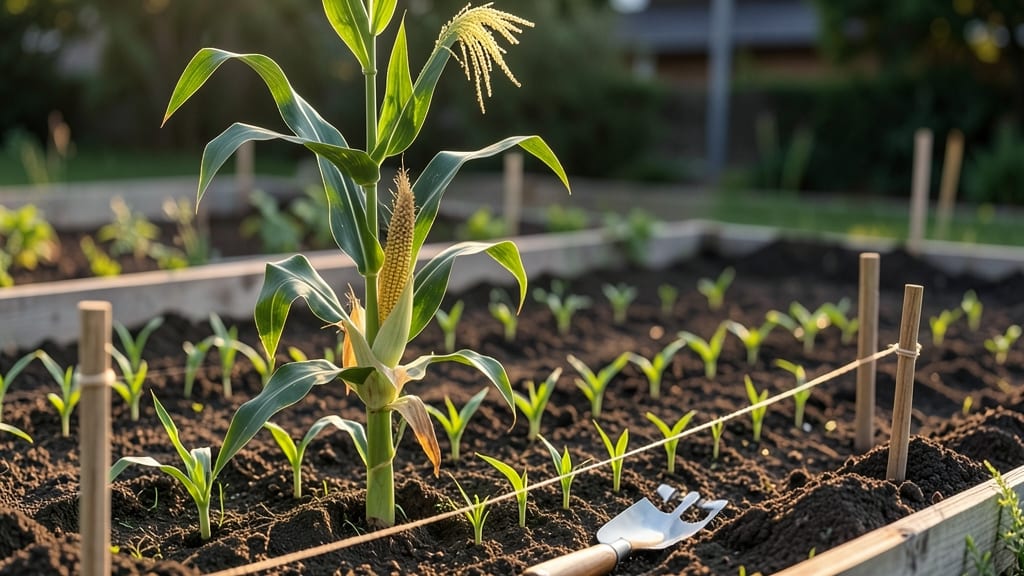
Timing your Corn 🌽 planting in New York isn't just about throwing seeds into the ground—it's the difference between a bumper crop and a disappointing harvest. With USDA Zones 5b-7a offering wildly different frost dates, planting too early risks frost damage, while waiting too long cuts your growing season short.
Most gardeners in New York wait until late April to mid-May when soil temperatures hit at least 60°F and the last frost has passed. But here's the catch: your exact window depends on whether you're in upstate New York with cooler springs or Long Island with milder conditions.
In this guide, I'll break down the precise frost-free windows for each zone, plus how to choose the right corn variety for your short growing season. You'll learn when to plant for maximum yield and how to stretch your harvest window with simple tricks.
Ready to grow sweet, plump ears of Corn 🌽 that rival your favorite farmers' market finds? Let's get started with the planting schedule that works for your corner of New York.
New York corn planting dates by USDA hardiness Zone: exact frost-free windows
New York spans USDA Zones 4-7, and each zone has a unique frost-free window for planting corn. In cooler zones like Zone 4b, corn must go in the ground by early May, while Zone 7a gardeners can plant as late as mid-June.
The key? Soil temperature must reach at least 60°F—corn seeds won’t sprout below this threshold.
For most of New York, the last frost date falls between mid-April (northern NY) and early May (southern NY). To avoid frost damage, wait 2-3 weeks after the last frost before planting.
This ensures young seedlings aren’t nipped by late spring freezes, which can stunt growth or kill tender sprouts.
Here’s how to calculate your heat unit requirements—corn needs 2,500-3,000 growing degree days (GDD) to mature. In Zone 5b, this means planting by mid-May for a 90-day variety. Use local Cornell Cooperative Extension frost data to refine your timing.
| USDA Zone | Last Frost Date | Ideal Planting Window | Soil Temp Requirement | Heat Units Needed |
|---|---|---|---|---|
| 4b (Northern NY) | Mid-May | Late May (after soil warms) | 60°F+ | 2,800+ GDD |
| 5b (Central NY) | Early May | Mid-May to early June | 60°F+ | 2,700+ GDD |
| 6a (Western NY) | Late April | Late April to mid-May | 60°F+ | 2,600+ GDD |
| 7a (Long Island) | Early May | Mid-May to early June | 60°F+ | 2,500+ GDD |
*GDD = Growing Degree Days. Use a heat unit calculator for precise timing.
In Zone 4b, where summers are short, opt for early-maturing varieties like ‘Early Sunglow’ (85 days). These can reach harvest before first frost in mid-October. Meanwhile, Zone 7a gardeners can experiment with longer-season varieties like ‘Golden Bantam’ (90 days), planting as late as early June.
Pro tip: Use black plastic mulch to warm soil faster in cooler zones. Lay it down 1-2 weeks before planting to raise soil temperatures by 5-10°F. This extends your planting window by 10-14 days in marginal zones.
For container growing, start seeds indoors 2 weeks early and transplant after the last frost. Use 5-gallon pots with well-draining soil to prevent root rot. Containers warm up faster than garden beds, giving you a slight edge in cooler climates.
Always check local frost dates from Cornell Cooperative Extension or NOAA for your specific county. A 5-day delay in planting can mean the difference between a full harvest and stunted ears.
Remember: Corn is heat-loving. If your summer cools abruptly, prioritize early varieties or use row covers to shield young plants from late-season chills.
How to adjust corn planting time for early vs. late varieties in NY
New York’s short growing season demands smart choices when selecting corn varieties. Early-season types (like ‘Early Sunglow’) mature in 80–90 days, while late varieties (such as ‘Golden Bantam’) need 100+ days.
Your zone and last frost date dictate which to pick—cool northern regions (Zone 5) favor quick-maturing varieties, while southern areas (Zone 7) can handle longer seasons.
For northern NY (Zones 4–5), plant short-season corn by late April to early May, ensuring harvest before September frost. In central/southern NY (Zones 6–7), you can stretch to mid-June for late varieties, but aim to finish by early October.
Always check your variety’s days-to-maturity label against your frost-free window.
If you’re in a transition zone (Zone 5b–6a), consider planting a mix of early and mid-season varieties staggered 10–14 days apart. This ensures a continuous harvest and reduces risk if weather turns chilly.
For example, sow ‘Ambrosia’ (90 days) on May 1 and ‘Silver Queen’ (110 days) on May 15—you’ll get ears from July through September.
For urban gardeners or small plots, bush corn varieties (like ‘Golden’) are ideal—they don’t need trellising and mature faster than traditional types. These work well in containers or raised beds and can be planted 2–3 weeks later than standard corn, thanks to their compact growth habit.
Pro tip: Use a planting calendar or local Cornell Cooperative Extension resources to track soil temperatures and heat unit accumulations. Corn needs soil at 60°F+ to germinate—waiting for this threshold (often late May in Zone 5) prevents slow starts.
If early planting is tempting, use biodegradable seed blankets to protect seedlings from late frosts.
Remember, corn thrives on warmth, so avoid planting too early—even if the ground looks dry. A cool, wet spring can delay germination for weeks. When in doubt, err on the side of planting later and choose a shorter-season variety for a guaranteed harvest.