
Plants
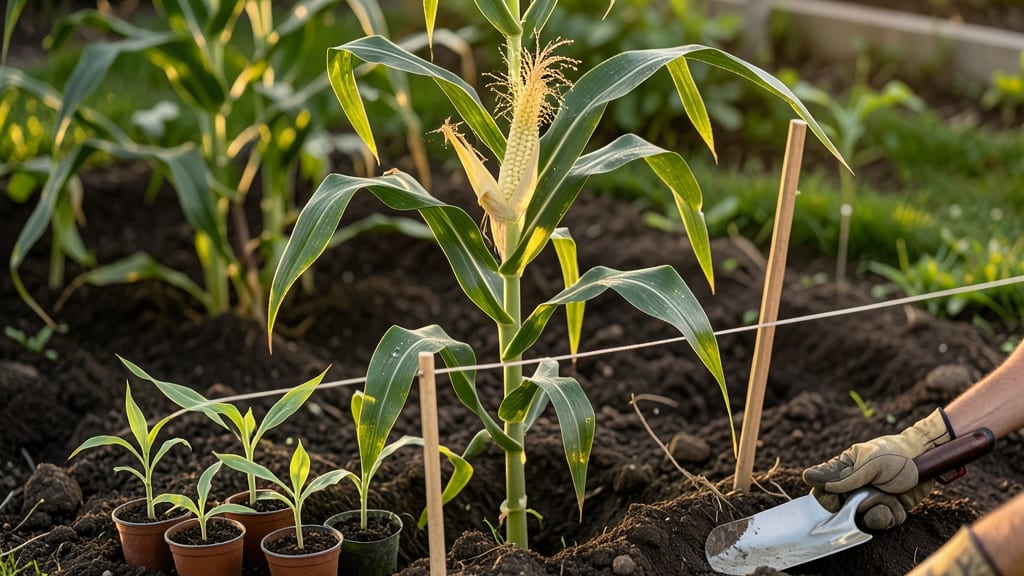
Timing your 🌽 corn planting in South Florida can mean the difference between a bountiful harvest and a frustrating loss—especially when bolting turns your plants into tall, skinny stalks before they even produce ears.
The key isn’t just picking a season; it’s mastering the microclimates that make Florida’s growing conditions uniquely tricky.
Unlike northern regions, South Florida’s 10a-11 climate zones let you plant 🌽 corn twice a year, but the real challenge is avoiding the brutal summer heat that triggers bolting.
I’ve tested the best windows—February-April for spring harvests and August-September for fall—and I’ll show you how to adjust for your specific zone to maximize success.
You’ll discover how to read soil temperatures, choose the right varieties for Florida’s humidity, and even salvage crops if the weather turns against you.
Whether you’re a first-time gardener or a seasoned grower, these insights will help you plant corn at the perfect moment—no more wasted seeds or empty stalks.
Let’s dive into the exact strategies that work in South Florida, so you can enjoy sweet, plump ears straight from your garden all year round.
Optimal corn planting windows in South Florida by microclimate zone
South Florida’s unique climate—defined by USDA Zones 10a-11 and year-round warmth—creates distinct microclimates where corn thrives in two primary windows. Unlike northern regions, we avoid frost entirely, but heat stress and humidity dictate our planting strategy.
The goal? Plant when soil temps hit 50°F+ but before summer’s brutal 90°F+ afternoons trigger bolting.
North Florida (near Orlando) has slightly cooler nights, while the Miami/Fort Lauderdale area faces relentless humidity. Even a 10°F soil temp difference can mean the difference between successful germination and seed rot. Let’s break down the three microclimate zones and their ideal planting schedules.
🌱 Visual Element: Comparison Table
For North Florida gardeners, aim for February–March or August–September plantings. The coolest months (Dec–Jan) offer the best chance for germination without bolting, while late summer avoids peak hurricane season. In Central Florida, shift slightly earlier (January–February) to beat the 90°F+ afternoons that trigger bolting.
In South Florida, the window narrows to December–January and June–July. June plantings risk hurricane damage, but shade cloth (30–50%) can protect young plants. Succession planting every 2–3 weeks within these windows ensures a continuous harvest—critical when earworms decimate crops in 3–4 weeks.
One common mistake? Planting too late in spring (after April 15) or too early in fall (before August 1). By May, soil temps often exceed 85°F, causing seeds to rot before sprouting.
Similarly, September plantings face typhoon season risks. Track NOAA forecasts and adjust dates if El Niño (cooler) or La Niña (warmer) patterns dominate.
For container growing, use 5-gallon pots with well-draining mix and plant 1–2 weeks earlier than ground plantings. Containers warm faster, so monitor soil temps closely. Black pots absorb heat—opt for white or silver to reflect sunlight and keep roots cooler.
Finally, test your soil pH (ideal: 6.0–6.8) before planting. Florida’s sandy soils often lack phosphorus, which stunts root growth. A bone meal application at planting can make all the difference in ear development. 🌾
How to adjust planting dates for South Florida’s unpredictable weather
South Florida’s weather is as unpredictable as it is humid, making corn planting timing a high-stakes game of chance. A sudden heatwave or torrential rain can derail your crop if you’re not prepared.
The key is flexibility—knowing how to adjust planting dates based on forecasts and microclimates can save your harvest. For example, if your soil temperature spikes above 85°F before your corn reaches 6 inches tall, bolting is almost guaranteed.
Start by monitoring local weather patterns like El Niño or La Niña, which can shift rainfall and temperatures dramatically. During an El Niño year, expect cooler, wetter springs, which might push your ideal February-April planting window slightly later.
Conversely, La Niña’s drier conditions could mean planting earlier in February to avoid summer stress. Always check the National Weather Service for Florida-specific alerts.
Here’s how to stay ahead of the game: use shade cloths (30-50% coverage) over young plants if temperatures exceed 90°F during the day. I’ve found that a simple lightweight row cover can lower soil temps by 5-10°F, buying you critical time to establish roots.
For extra protection, mulch with straw or grass clippings to retain moisture and insulate roots from temperature swings.
🌱 Visual Tip: If your corn’s leaves start curling upward and the stalks elongate rapidly, you’re seeing early bolting signs. This means it’s too late to adjust planting dates—focus on salvaging the crop by harvesting any developing ears immediately, even if they’re small.
Another smart move? Plan for succession planting in August-September. This second window avoids the worst of summer’s heat while still giving you a fall harvest before the holidays. Space out plantings every 2-3 weeks to stagger maturity and ensure a continuous supply of fresh ears.
Just be sure to use disease-resistant varieties like ‘Peaches and Cream’ to combat Florida’s fungal risks during the humid transition into fall.
Don’t overlook the power of soil preparation. Amend your beds with compost and aged manure before planting to improve drainage and nutrient retention. Poor soil can stress plants, making them more susceptible to bolting. I’ve seen well-prepped soil help corn withstand short heatwaves that would otherwise trigger premature flowering.
Finally, keep a planting journal to track what works in your specific microclimate. Note the exact dates you planted, any adjustments you made, and the outcomes. Over time, you’ll spot patterns—like how a coastal garden might handle heat better than an inland one due to sea breezes.
This personal data is more valuable than any generic guide.
💡 Pro Tip: If a heatwave is forecasted, delay watering until late evening (after 6 PM) to reduce evaporation and keep roots cool. Just avoid wetting the foliage to prevent fungal diseases like corn smut.
⚠️ Watch for Bolting Warning Signs
Rapid stalk elongation (growing taller than usual) and leaf curling upward are red flags. If you see these, your corn is bolting and won’t produce ears. Act fast by harvesting any developing ears immediately or pulling the plants to make room for a second planting.
By combining flexible planting dates, protective measures, and local observations, you can turn South Florida’s unpredictable weather into an advantage. The goal isn’t perfection—it’s resilience. Even in the face of a rogue heatwave, these strategies will help you maximize your corn harvest and enjoy homegrown sweetness year-round.