
Plants
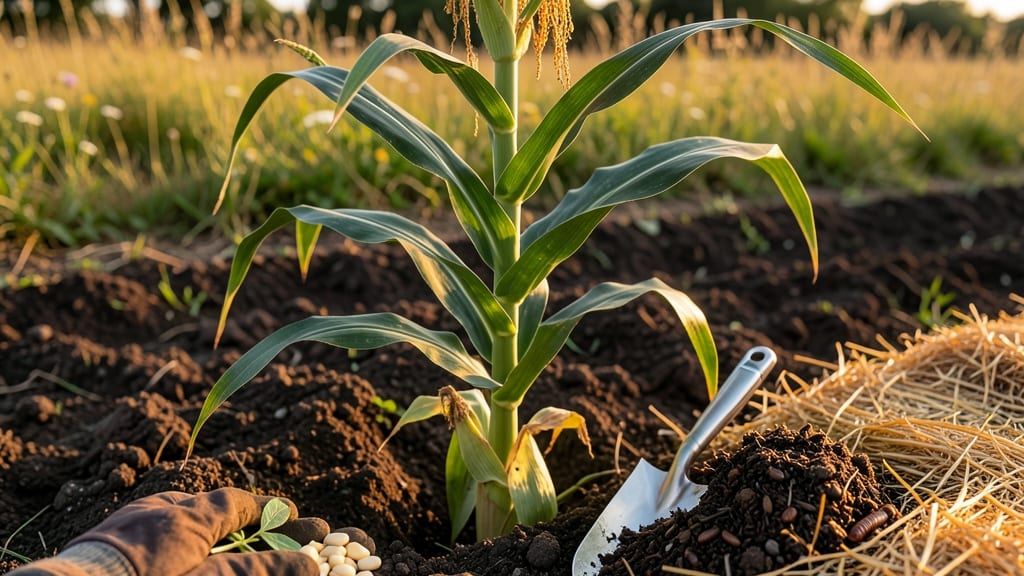
Timing your corn planting just right in Tennessee is the secret to avoiding bitter, tough kernels and getting sweet, juicy 🌽 ears instead. Plant too early, and you risk bolting—when corn shoots up tassels before developing proper ears.
But get it right, and you'll enjoy a bountiful harvest from late July through October.
Tennessee's USDA zones 6a-8a offer a mid-April to early June window for planting, but the exact timing depends on your local frost dates and soil temperatures. Most gardeners wait until soil warms to at least 60°F—a critical threshold for healthy germination.
In my experience, this usually aligns with late April in most of the state, but East Tennessee's cooler microclimates may need to wait until early May.
Here's what you need to know: early varieties like 'Silver Queen' can handle slightly cooler soils, while late-season types like 'Peaches and Cream' demand warmer temperatures. I'll show you how to match your corn variety to your zone and adjust planting dates for Tennessee's unpredictable spring weather patterns.
Ready to grow corn that's perfect for boiling, grilling, or canning? Let's dive into the best months to plant by zone, soil prep tips, and how to avoid common mistakes that lead to wasted crops. Your garden's about to get a whole lot more productive!
Best planting months for corn in Tennessee by hardiness zone (avoid bolting risks)
Tennessee’s USDA zones 6a-8a offer a short but sweet window for growing sweet corn. Planting too early risks frost damage, while late planting can trigger premature bolting—the plant’s desperate attempt to reproduce before maturity.
The key? Align your planting with soil temperatures and last frost dates to ensure tender, juicy ears.
Corn thrives when soil temperatures hit 60°F or warmer. In Tennessee, this typically happens between mid-April and early May, but exact timing varies by zone. For example, West Tennessee (Zone 7b-8a) can plant earlier than East Tennessee (Zone 6a-7a), which often waits until late April.
Use a soil thermometer to confirm readiness—this tool is your best defense against bolting.
Bolting occurs when corn senses cool nights or short days and shifts energy from ear development to seed production. In Tennessee, this risk peaks if planted after June 1st, especially for longer-maturing varieties.
To avoid tough, starchy kernels, stick to the ideal planting window of April 15–May 15 for most of the state.
Here’s how Tennessee’s zones break down for corn planting:
For West Tennessee (Zone 8a), you can push the envelope slightly—planting as early as late March for early-maturing varieties (60–75 days to harvest). However, even here, avoid planting after June 1st, as summer heat can stress plants and reduce ear quality.
If you’re in East Tennessee (Zone 6a), prioritize short-season varieties (55–70 days) to avoid bolting entirely.
Pro tip: Use black plastic mulch to warm soil faster in cooler zones. This method can shave 1–2 weeks off your planting timeline by raising soil temperatures by 5–10°F. Just lay the mulch 1–2 weeks before planting and cut slits for seeds to ensure even germination.
If you’re unsure about your exact last frost date, check the Tennessee State University Extension’s frost calendar or use the Almanac’s Frost/Freeze Tool. These resources provide hyper-localized data, which is critical for high-altitude areas like the Great Smoky Mountains region, where frost can linger until mid-April.
Remember, corn is a heavy feeder, so amend your soil with compost or aged manure before planting. Aim for a pH of 6.0–6.8—Tennessee’s clay-heavy soils often need lime to reach this ideal range. Test your soil in early spring to give yourself time to adjust.
Once planted, maintain 1 inch of water per week, especially during tasseling (when pollen forms) and ear development. Tennessee’s humid summers can lead to fungal diseases like gray leaf spot, so water at the base of plants in the morning to keep foliage dry.
With the right timing and care, you’ll go from tiny seeds to golden ears in just <
Best planting months for corn in Tennessee by hardiness zone (avoid bolting risks)
Tennessee’s USDA zones 6a-8a create a diverse planting landscape, but soil temperature and frost dates dictate the perfect window. Corn needs warm soil (60°F+) and frost-free conditions to thrive—plant too early, and you risk bolting (premature tasseling).
Too late, and your harvest shrinks. Let’s break it down by zone to nail your timing.
Most of Tennessee falls into zones 6b-7a, where mid-April to early May is ideal. West Tennessee (zone 8a) can start 2-3 weeks earlier, while East Tennessee’s higher elevations (zone 6a) may need to wait until late April or early May.
Always check your last frost date—planting 2 weeks after ensures safety.
🌱 Pro Tip: Use a soil thermometer to confirm 60°F+ at 4-inch depth before planting. Cold soil delays germination, wasting your seed investment.
For zone 6a gardeners in East Tennessee, late April is non-negotiable—planting earlier risks frost damage or bolting from sudden heat waves. In West Tennessee (zone 8a), you can squeeze in a second planting in early June for a fall harvest, but choose fast-maturing varieties (60–70 days).
🌡️ Watch for: Tennessee’s unpredictable spring weather. A late frost in May can devastate early plantings. Use row covers if frost threatens after germination. In urban gardens with microclimates (like heat islands), plant 1–2 weeks later than rural areas.
If you’re unsure about your zone, check the Tennessee State University Extension map or use the USDA Plant Hardiness Zone Map. For container growing, start seeds indoors 4–6 weeks before your last frost date—corn thrives in 5-gallon pots with full sun.
🌽 Key Takeaway: Soil temperature > frost dates. Always prioritize 60°F+ soil over calendar dates. Use a soil thermometer—it’s your best tool against bolting!