
Plants
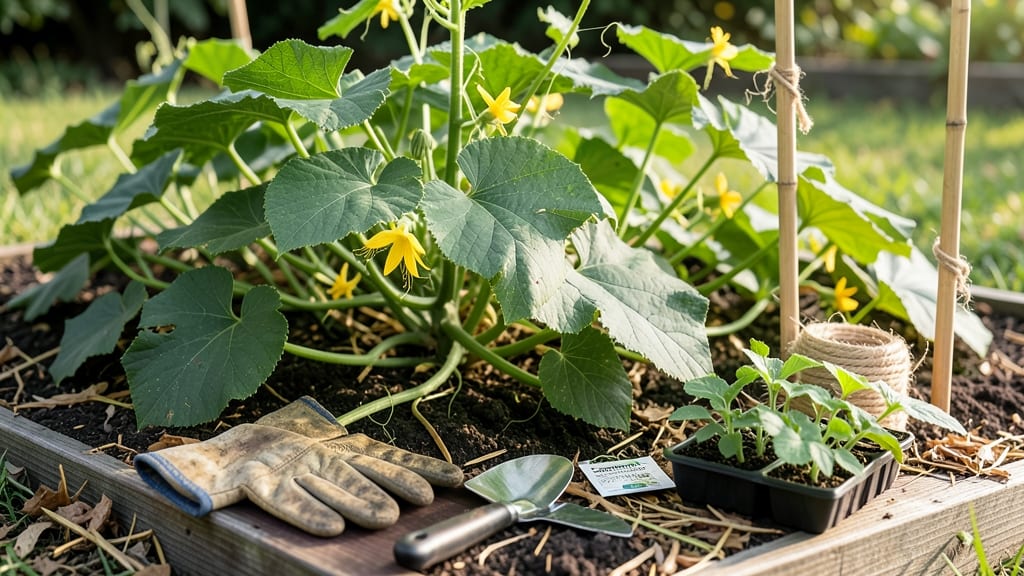
Timing your cucumber planting in New Hampshire could mean the difference between a thriving garden and a sad, frost-nipped failure. The late May to early June window is your golden opportunity to beat the last frost and give those 🥒 vines the warm soil they crave.
Here’s the kicker: NH’s microclimates vary wildly, so what works in Portsmouth might fail in Whitefield. I’ll break down exactly when to plant based on your specific zone—whether you’re in the chilly north or the slightly milder south—plus how to adjust for those unpredictable spring surprises.
You’ll also discover why soil temperature matters more than calendar dates and how to stretch your growing season with simple tricks. No more guessing—just a foolproof plan to get your cucumbers thriving from July through September.
Let’s cut to the chase: skipping these steps means risking stunted plants, bitter fruit, or worse. Ready to grow cucumbers that actually produce? Let’s get started.
New Hampshire’s frost-free dates by microclimate zone (2024 guide)
New Hampshire’s three distinct microclimates—Northern, Central, and Southern—create varying frost-free windows for cucumber planting. Understanding your zone’s historical averages helps you avoid late spring frosts that can devastate young seedlings. Let’s break down the exact planting windows for each region, including soil temperature requirements and heat-unit calculations.
Cucumbers thrive when soil temperatures reach at least 60°F, which typically aligns with late May to early June across most of NH. However, Northern NH (Zone 5a) often waits until mid-June, while Southern NH (Zone 6b) can start as early as late April in protected microclimates.
Always confirm with a local frost date calculator like the NH Agricultural Experiment Station for real-time updates.
Here’s how heat-unit accumulation impacts cucumber maturity. Most varieties need 1,000–1,200 growing degree days (GDD) to reach harvest. In NH, this translates to 90–110 days of warm weather, which is why early planting in cooler zones risks incomplete fruit development before the first frost.
Pro Tip: Use row covers to extend your planting window by 2–3 weeks in cooler zones. These lightweight fabrics trap heat and protect seedlings from unpredictable late frosts, which are common in NH’s variable spring weather.
| Zone | Last Frost (Avg.) | Direct Sow Window | Transplant Window | Soil Temp Requirement | Heat Units Needed |
|---|---|---|---|---|---|
| Northern (Zone 5a) | May 20–June 5 | June 1–15 | May 20–June 1 (under cover) | ≥60°F (late May) | 1,100–1,200 GDD |
| Central (Zone 5b) | May 10–20 | May 25–June 10 | May 1–15 (under cover) | ≥60°F (early May) | 1,000–1,100 GDD |
| Southern (Zone 6b) | April 25–May 10 | April 30–May 15 | April 15–May 1 (under cover) | ≥60°F (late April) | 900–1,000 GDD |
*GDD = Growing Degree Days (50°F baseline)
For Northern NH gardeners, consider starting seeds indoors 3–4 weeks before your last frost date. Transplant seedlings outdoors after May 20, using black plastic mulch to warm the soil faster.
This method adds 2–3 weeks to your growing season, ensuring cucumbers mature before the first frost in mid-October.
In Central and Southern NH, you can direct-sow seeds as early as late April in protected microclimates, like near south-facing walls or under cloches. However, wait until soil temperatures consistently reach 60°F—a soil thermometer is your best tool for accuracy.
Cold soils slow germination and invite damping-off disease, a common issue in NH’s damp springs.
Choose heat-tolerant varieties like ‘Marketmore 76’ or ‘Straight Eight’ for NH’s short growing season. These varieties mature in 55–60 days, giving you a better chance to harvest before the first frost.
Pair them with trellising to save space and improve air circulation, reducing the risk of powdery mildew, which thrives in NH’s humid summers.
Always monitor local weather forecasts and adjust your planting timeline accordingly. NH’s unpredictable spring weather can shift frost dates by weeks—stay flexible and be ready to extend your season with row covers or cold frames if needed.
How to adjust planting timing for NH’s unpredictable spring weather
New Hampshire’s spring weather can be as unpredictable as a cucumber vine in a windstorm—one day warm enough to plant, the next a surprise frost. But with the right strategies, you can extend your growing season and still enjoy a bountiful harvest of crisp, homegrown cucumbers.
The key is adapting to NH’s short summers and cool soils.
For starters, always check your soil temperature before planting. Cucumbers won’t germinate until the soil reaches at least 60°F. Use a soil thermometer—don’t guess! In NH, this often means waiting until late May or early June, depending on your microclimate.
If you’re in doubt, opt for heat-tolerant varieties like ‘Straight Eight’ or ‘Marketmore 76,’ which thrive even when temperatures dip slightly.
- Use Row Covers for Early Planting
- Start Seeds Indoors (4-6 Weeks Before Last Frost)
- Try Cold Frames or Mini Greenhouses
- Succession Planting for Continuous Harvests
- Choose Bush Varieties for Shorter Seasons
Don’t overlook the power of mulching. A thick layer of straw or black plastic warms the soil faster and retains moisture, which is crucial in NH’s dry summers.
Mulch also suppresses weeds, reducing competition for nutrients. Pair this with drip irrigation to keep roots consistently moist without wasting water.
If you’re in a cooler microclimate (like the White Mountains), consider using raised beds. They warm up faster in spring and drain better than in-ground soil, giving your cucumbers a better start.
Fill them with a mix of compost and aged manure to boost fertility—cucumbers are heavy feeders and need plenty of nutrients to thrive.
Finally, keep an eye on the weather forecast and be ready to protect your plants. A floating row cover can save your crop if a late frost threatens. And if all else fails, don’t hesitate to replant!
NH’s short season means you might need to adjust your expectations and focus on fast-maturing varieties for the best results.
With these strategies, you’ll turn NH’s unpredictable spring into a cucumber-growing advantage. Soon, you’ll be harvesting fresh, homegrown cucumbers right through the summer—no matter what Mother Nature throws your way. 🥒