
Plants
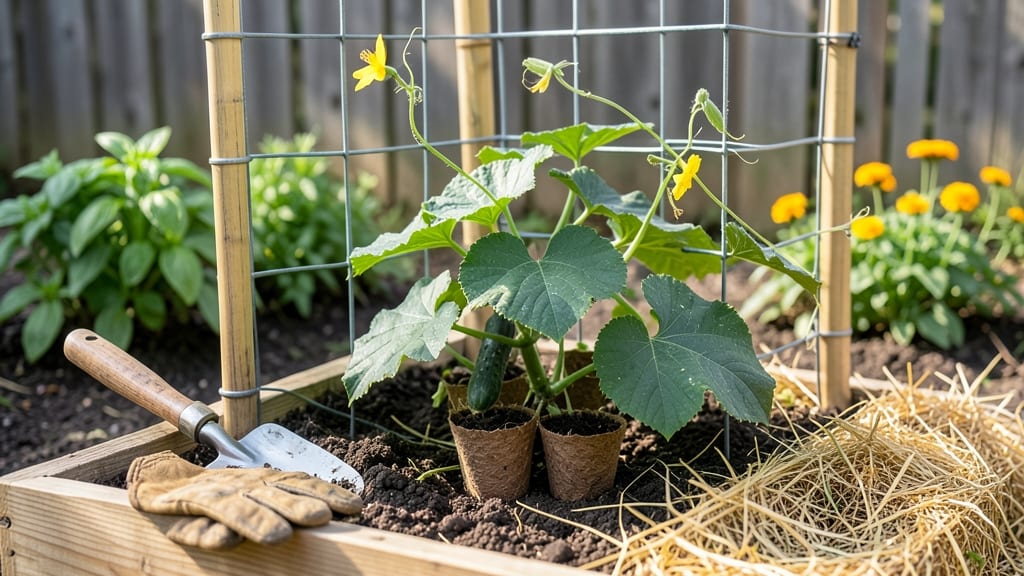
Timing your 🥒 cucumber planting in North Florida isn’t just about the calendar—it’s about beating the heat and avoiding bolting before your vines even get started.
With USDA zones 8a-9a and a climate that swings from chilly springs to scorching summers, getting the window right means the difference between a bountiful harvest and a sad, bitter crop.
Most gardeners here know the March-April window for spring plantings is critical, but what about fall? The August-September slot offers a second chance—if you play it smart.
I’ll break down exactly when to plant based on your microclimate, whether you’re in Jacksonville’s coastal breeze or Gainesville’s inland heat, so you can skip the guesswork and start harvesting by May or September.
Here’s the game-changer: soil temperature matters just as much as air temperature. Waiting until the ground hits 60°F ensures your cucumbers germinate fast and strong, but rushing it can trigger that dreaded bolting.
I’ll show you how to prep your soil, choose the right varieties, and even stretch your season with succession planting—so you’re not left scrambling when summer hits.
Ready to grow cucumbers that thrive, not just survive? Let’s dive into the exact deadlines and pro tips that’ll have your vines producing like crazy—no more wasted seeds or bolted plants. Your garden’s about to get a whole lot easier.
North Florida’s cucumber planting zones: microclimate deadlines by region
North Florida’s USDA zones 8a-9a create a patchwork of planting opportunities, but microclimates dictate success. Jacksonville’s coastal breezes delay frost, while Gainesville’s inland heat demands earlier starts. Understanding these regional deadlines ensures you avoid bolting (premature flowering) or heat stress that stunts growth.
Your first step? Check your last frost date. In Jacksonville, it’s typically mid-March, while Tallahassee and the Panhandle see frost until early March. Planting too soon risks frost damage; too late, and your cucumbers bolt before bearing fruit.
For spring plantings, aim for 2-4 weeks after your local last frost date. In Jacksonville, that’s mid-to-late March; in Gainesville, late March to early April. Use soil thermometers to confirm temperatures hit 60°F+—cucumbers won’t germinate below this threshold.
Fall plantings are trickier. Start 8-10 weeks before your first frost (mid-November in most areas). Jacksonville gardeners can plant until early September; Gainesville and Tallahassee should finish by mid-August. Late summer heat is intense, so prioritize heat-tolerant varieties like ‘Southern Sweet 100’.
🌱
Your soil preparation is just as critical as timing. North Florida’s sandy soils drain too quickly, while clay-heavy areas retain too much moisture. Test your soil’s pH (aim for 6.0–6.8) and amend with 2–4 inches of compost or aged manure before planting.
Raised beds work wonders in problem soils, offering better drainage and warmer roots.
For container growing, use pots at least 12 inches deep with drainage holes. Fill with a mix of potting soil and coconut coir to mimic North Florida’s moisture needs. Containers heat up faster, so move them to partial shade during 100°F+ days to prevent bolting.
Pro tip: Use black plastic mulch to warm soil faster in spring. Lay it down 2 weeks before planting to accelerate germination. In fall, switch to straw mulch to insulate roots from early chills.
💧
Finally, succession planting extends your harvest. In Jacksonville, start a second crop in early June for fall harvests. Inland areas like Gainesville can try late July plantings, but prioritize shade-tolerant varieties like ‘Arkansas Little Leaf’ to beat the heat.
By aligning your planting with these microclimate deadlines, you’ll sidestep bolting and heat stress, ensuring crisp, sweet cucumbers from spring through fall. Next, we’ll dive into heat-tolerant varieties and staggered planting to maximize your yield.
How to extend your cucumber season in North Florida: heat-tolerant varieties and successive planting
North Florida’s summer heat can turn cucumbers into a bitter disappointment if you’re not strategic. But with the right heat-tolerant varieties and succession planting techniques, you can harvest fresh cucumbers from May through October—no bolting required.
The key? Choosing varieties bred for Florida’s climate and spacing out plantings to keep vines productive all season.
I’ve grown Southern Sweet 100 and Straight Eight for years—they handle our 90°F+ afternoons like champs. These varieties resist bolting better than standard types, so you can push your planting window later than most gardeners dare.
Pair them with shade cloth during peak heat, and you’ll be harvesting through September when others are giving up.
Here’s my step-by-step guide to extending your season without the stress of bolting or heat stress:
- Southern Sweet 100 – 70-day slicing cucumber, thrives in heat, disease-resistant
- Straight Eight – 60-day pickling type, handles humidity, high yield
- Arkansas Little Leaf – 55-day bush type, compact for small spaces
- Sweet Success – 60-day hybrid, great for containers, bolt-resistant
- Marketmore 76 – 65-day all-purpose, heat-tolerant, productive
For continuous harvests, use a succession planting schedule. Plant your first batch in early March (after frost risk passes), then follow up with weekly plantings every 2-3 weeks until mid-June.
This keeps fresh vines producing while older ones slow down in the heat. In late summer, plant another round in August for a fall harvest before frost.
Mulch is your secret weapon against bolting. Use straw or black plastic mulch to keep soil temps stable and moisture consistent. I swear by black plastic—it warms the soil faster in spring and keeps roots cooler in summer.
Plus, it suppresses weeds, so you spend less time weeding and more time harvesting.
Watering deeply in the morning prevents bolting triggered by stress. Aim for 1-2 inches per week, but daily watering in containers is a must during heatwaves. If your cucumbers start tasting bitter, it’s a sign of drought stress—so don’t skimp on hydration.
A drip irrigation system keeps water right at the roots where it’s needed most.
With these heat-tolerant varieties and smart planting strategies, you’ll dodge bolting and enjoy cucumbers all season long—no more sad, wilted vines in July! 🌿