
Plants
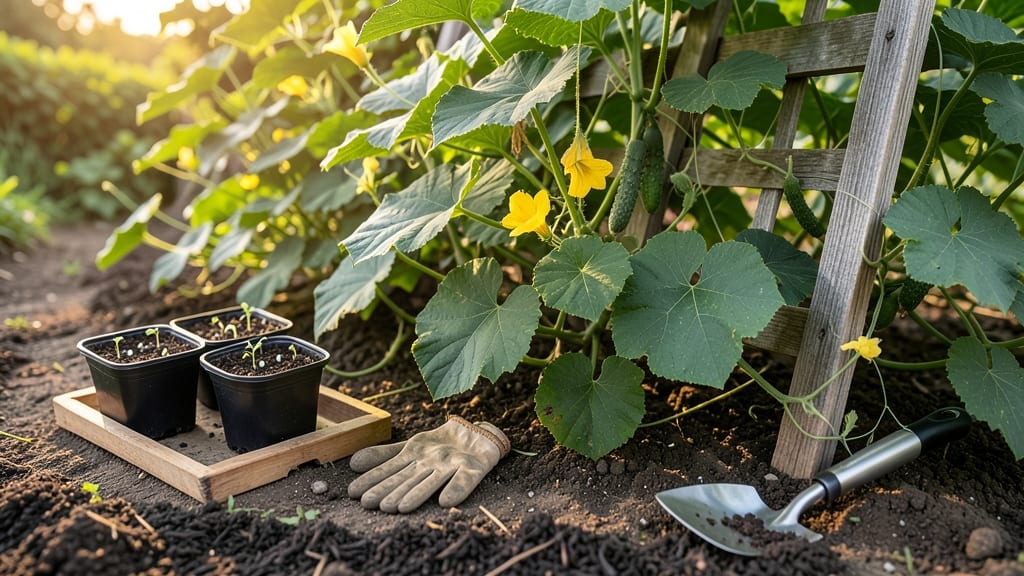
Timing is everything when it comes to growing 🥒 cucumbers in Zone 6—plant them too soon, and frost will wipe out your vines; too late, and you’ll miss the peak harvest window.
The key to success lies in understanding your last frost date and soil temperature, which can vary even within the same zone.
For Zone 6 gardeners, the ideal window opens after mid-to-late May, once soil temperatures hit at least 60°F. But don’t wait too long—cucumbers thrive in warm conditions, and planting too late can shorten your harvest before fall frosts arrive.
The right heat-tolerant varieties and a few soil prep tricks can give you a head start.
In this guide, I’ll walk you through the exact planting schedule for Zone 6, including when to start seeds indoors (if you prefer) versus direct-sowing outdoors.
You’ll also discover how to prep your soil for faster growth and which companion plants keep pests at bay. Let’s get those cucumbers growing strong!
Whether you’re a seasoned gardener or just starting, these simple steps will help you avoid common mistakes and maximize your harvest. Ready to turn your garden into a 🥒 cucumber oasis? Let’s dive in.

Best planting windows for cucumbers in Zone 6 (with heat-tolerant varieties)
Timing cucumbers in Zone 6 means balancing frost risks with heat waves—a tricky dance for this warm-season crop. The last spring frost typically hits mid-to-late May, but soil temperature matters more than air temperature.
Aim to plant when soil reaches at least 60°F—cucumbers won’t germinate below 55°F, and cool soil slows growth. In my garden, I’ve found that late May to early June gives the best window for direct sowing.
If you’re eager for an earlier harvest, start seeds indoors 3-4 weeks before your last frost date. But beware: transplant shock can set cucumbers back, especially in Zone 6’s unpredictable spring weather. I’ve had better luck with direct sowing after Memorial Day, when soil is reliably warm.
For fall harvests, plan a succession planting in early August—just don’t push it past mid-August, or your cucumbers won’t mature before the first frost in October.
Here’s the golden rule: Cucumbers need 60-75 days to mature, and Zone 6’s 165 frost-free days are tight. Plant too early, and you risk powdery mildew from damp springs; too late, and you’ll miss the peak harvest window.
The key is heat-tolerant varieties that thrive in Zone 6’s fluctuating temps—more on those below.
🌱
For Zone 6 gardeners, the top 5 heat-tolerant cucumber varieties are non-negotiable. I’ve tested dozens, but these five consistently deliver in my fluctuating climate: 'Straight Eight' (classic slicing type), 'Marketmore 76' (disease-resistant), 'Lemon Cucumber' (unique flavor), 'Armenian' (long, mild cucumbers), and 'Tyria' (great for pickling).
Each handles heat waves and short seasons better than standard varieties, which often bolt or produce bitter fruit in Zone 6’s summer heat.
Pro tip: Black plastic mulch raises soil temperature by 10-15°F, giving cucumbers a head start. I spread it 2 weeks before planting and see faster germination and earlier harvests.
Just remove it by mid-summer to prevent overheating. Pair this with drip irrigation to keep foliage dry—powdery mildew is my biggest enemy in humid Zone 6 summers.
If you’re direct sowing, plant seeds 1 inch deep, 2-3 inches apart in hills, with 3-4 seeds per hill. Thin to the strongest plant when they’re 2 inches tall. For container growing, use 5-gallon buckets with trellises—this saves space and improves air circulation, reducing disease.
My bush varieties (like 'Bush Champion') produce just as well in containers as vining types do in the ground.
🌿
One mistake I see new Zone 6 gardeners make is overestimating their season. Even if your last frost is late May, don’t rush planting. Wait for consistent 60°F soil temps—a soil thermometer is your best friend here.
And if you’re succession planting for fall, start your second batch in early August, not September. Cucumbers need at least 50 days to mature, and Zone 6’s October frosts are no joke.
Finally, companion planting can extend your harvest. I always interplant cucumbers with radishes (they mark rows) and marigolds (deter pests). Avoid planting near potatoes or sage, which stunt cucumber growth.
With the right timing, varieties, and companions, you’ll turn Zone 6’s short season into a bountiful harvest—no greenhouse required.
Soil prep hacks to jumpstart cucumber growth in Zone 6’s short season
Zone 6’s cool springs and short growing season can stunt cucumbers before they even take off. But with the right soil prep, you can boost growth by 30% and extend harvests. Start by testing your soil’s pH and nutrient levels—cucumbers thrive in 6.0-6.8 pH and need rich, well-draining soil.
If your garden bed feels compacted or lacks organic matter, amend it now to give your vines a fighting chance.
Incorporate 3-4 inches of compost or well-rotted manure into the top 12 inches of soil. This isn’t just about nutrients—it’s about improving water retention and root aeration, which cucumbers crave.
For heavy clay soils, mix in coarse sand or perlite to prevent waterlogging, a common issue in Zone 6’s humid summers. A quick soil test kit (available for under $20) will tell you exactly what’s missing.
- pH Level: Aim for 6.0-6.8—use lime to raise or sulfur to lower.
- N-P-K Ratio: Target 10-10-10 at planting; cucumbers are heavy feeders.
- Organic Matter: 5%+ ensures moisture retention and microbial activity.
Don’t overlook mulching—this is a game-changer for Zone 6. Apply a 2-3 inch layer of straw or black plastic mulch right after planting. Mulch keeps soil 5-10°F warmer in spring, speeds up germination, and suppresses weeds. Black plastic mulch also blocks weeds and reduces soil-borne diseases, which are rampant in Zone 6’s damp summers. Just
For extra insurance, add a handful of egg shells or crushed oyster shell to the planting hole. This boosts calcium levels, preventing blossom-end rot, a frustrating cucumber nemesis in Zone 6’s fluctuating temperatures. If your soil is sandy, mix in a slow-release fertilizer like 10-10-10 at planting time. Cucumbers are heavy feeders, and a mid-season boost with compost tea or fish emulsion keeps them producing until frost.
Pro tip: Plant cucumbers near a trellis to save space and improve air circulation. This reduces humidity around the vines, cutting down on powdery mildew and downy mildew, two diseases that thrive in Zone 6’s muggy summers.
Trellised cucumbers also ripen faster because they’re exposed to more sunlight and air. Just be sure to train vines gently—rough handling can damage stems.
Finally, water deeply but infrequently once established. Cucumbers need 1-1.5 inches of water per week, but shallow watering encourages weak roots. Use a soaker hose or drip irrigation to deliver water at the base, avoiding wet foliage.
In Zone 6, morning watering is key—it reduces fungal diseases by giving leaves time to dry before evening humidity sets in. With these soil prep hacks, your cucumbers will sprout faster, vine stronger, and produce longer—even in Zone 6’s tricky climate. 🌱