
Plants
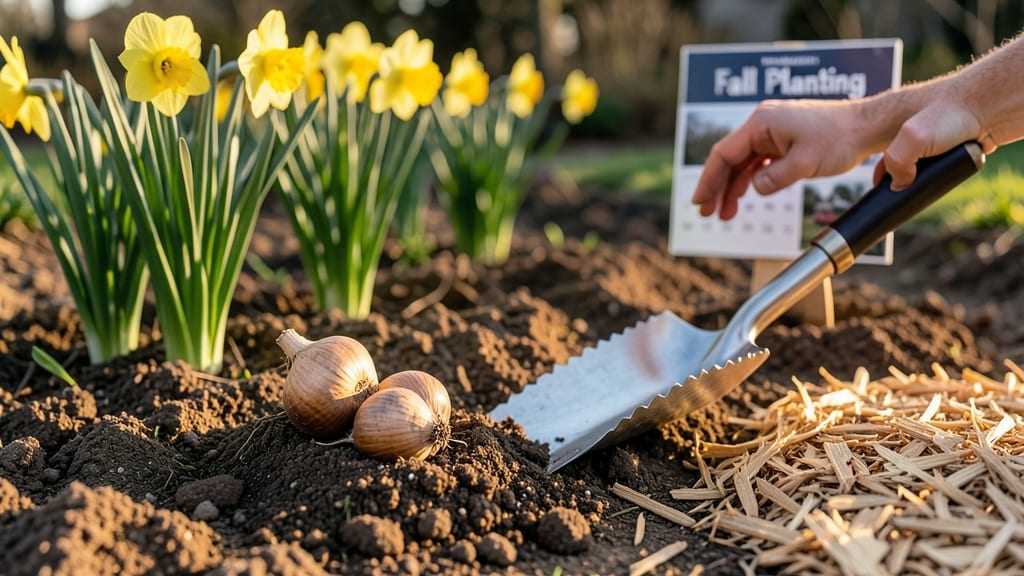
Planting daffodils in California at the wrong time could mean no blooms next spring—because timing is everything in the 9-10 USDA zones. Whether you're in coastal San Diego or the Central Valley, getting the schedule right ensures your 🌼 thrive through winter and burst into color by March.
Most gardeners assume "fall planting" means anytime between September and December, but California's microclimates demand precision. Too early, and your bulbs rot in warm soil; too late, and frost zaps their energy before they establish roots.
I'll show you the exact 6-week window that works for your specific region—plus how to adjust for unexpected weather.
You'll also discover why October is the sweet spot for most areas, how to prep soil for California's diverse conditions (from sandy coastal soil to heavy inland clay), and which daffodil varieties handle heat best. No more guessing—just a foolproof plan to grow bold, reliable blooms every year.
Ready to transform your yard into a springtime showcase? Let's dive into the regional planting calendar that actually works for California gardeners—no more missed opportunities or wasted bulbs.
California daffodil planting calendar by region: best months for success
Timing is everything when planting daffodils in California, where coastal, inland, and desert regions each have unique frost patterns. The key is planting 6-8 weeks before the first frost—or in fall for winter blooms.
Coastal areas like San Francisco rarely freeze, while inland valleys (e.g., Sacramento) may see frost by mid-December. Southern California’s desert regions (e.g., Palm Springs) can plant later due to milder winters.
For Northern California (USDA Zones 9-10), aim for October to November planting. This gives bulbs time to root before potential frost in December. In Central California (e.g., Los Angeles, San Diego), November to early December is ideal—cooler coastal areas can extend planting into January if soil stays workable.
Southern desert regions (e.g., Coachella Valley) can plant as late as December due to minimal frost risk.
Soil temperature is your best guide: plant when soil cools to 50-60°F (10-15°C). Use a soil thermometer or wait until daytime highs drop below 75°F. In coastal areas, this often aligns with October, while inland valleys may wait until November. Southern California’s desert regions can plant into December without frost concerns.
🌼
In Northern California, prioritize early blooming varieties like 'Tête-à-Tête' (dwarf) or 'Ice Follies' (white) to beat potential frost. These thrive in cooler microclimates and often bloom by February. For Central California, opt for mid-season bloomers like 'Paperwhite' or 'Carlton'—they handle mild winters and bloom in March-April.
Southern gardeners should choose heat-tolerant types such as 'Minnow' or 'Peach Sorbet' to avoid summer wilting.
Pro tip: Plant daffodils deeper in sandy soils (e.g., Southern California)—aim for 8-10 inches deep to protect bulbs from heat. In clay-heavy Northern soils, plant only 4-6 inches deep to prevent rot.
Always plant in well-draining soil; daffodils hate soggy roots. Mix in perlite or sand if your soil compacts easily.
After planting, water deeply once to settle soil, then reduce watering until spring rains return. In drought-prone Southern California, mulch with straw or wood chips to retain moisture. Avoid fertilizing until spring—daffodils need time to establish roots before feeding.
Coastal gardeners can plant year-round if soil stays workable, but fall is still best for stronger blooms.
For container gardening in California’s varied climates, use pots with drainage holes and plant bulbs 6 inches deep. Move containers to shaded areas in summer if temperatures exceed 85°F.
In coastal cities, containers can stay outdoors year-round, while inland valleys may need winter protection with burlap wraps.
Track your local frost dates using the USDA Plant Hardiness Zone Map or apps like Old Farmer’s Almanac. Adjust planting 2-3 weeks earlier if your area experiences unusually early frost.
With the right timing, your daffodils will bloom reliably for years—adding vibrant color to California’s mild winters and early springs. 🌱
California daffodil planting calendar by region: best months for success
California’s three distinct climate zones—Northern, Central, and Southern—each demand a tailored approach to daffodil planting. In cooler Northern regions like the Bay Area, you can plant as early as October, while Southern California’s warmer microclimates may require waiting until December to avoid heat stress.
The key is timing bulbs to establish roots before winter dormancy.
Use these regional frost dates as your guide: Northern areas typically see frost by December 15, while Southern zones rarely experience frost. Plant 6-8 weeks before your local first frost date for optimal bloom success. Coastal areas benefit from a longer planting window due to milder winters.
🌱 California Daffodil Planting Guide by Region
| Region | Best Planting Window | Soil Prep Tip | Key Consideration |
|---|---|---|---|
| Northern CA (e.g., San Francisco, Sacramento) | October 15 - November 15 | Add compost for moisture retention | Frost possible after December 15 |
| Central CA (e.g., Los Angeles, San Diego) | November 1 - December 15 | Use gravel for drainage | Mild winters, minimal frost risk |
| Southern CA (Desert Regions) | December 1 - January 15 | Plant in raised beds | Extreme heat in summer |
💡 Pro Tip: Coastal areas can plant up to 2 weeks later than inland zones due to cooler temperatures.
For coastal California, like Santa Barbara or Monterey, aim for November planting to avoid winter rains that can cause bulb rot. These areas benefit from well-draining soil mixed with sand or perlite to prevent waterlogging.
Inland valleys like the Central Valley should focus on October planting to take advantage of cooler nights.
Southern California’s desert regions (e.g., Palm Springs) require the latest planting window—December 1 to January 15—to prevent bulbs from overheating. Use mulch heavily to insulate against ground heat. Always plant daffodils in full sun locations (6+ hours daily) for the best bloom performance.
After planting, maintain consistent moisture for the first 4-6 weeks to encourage root establishment. Avoid fertilizing until spring growth begins. In Southern California, reduce watering in late winter to prevent fungal diseases common in warm, damp conditions.
🌼 Remember: Daffodils naturalize beautifully in California gardens, returning year after year with proper care. Mark your planting calendar now to enjoy spring blooms from March through May!