
Plants
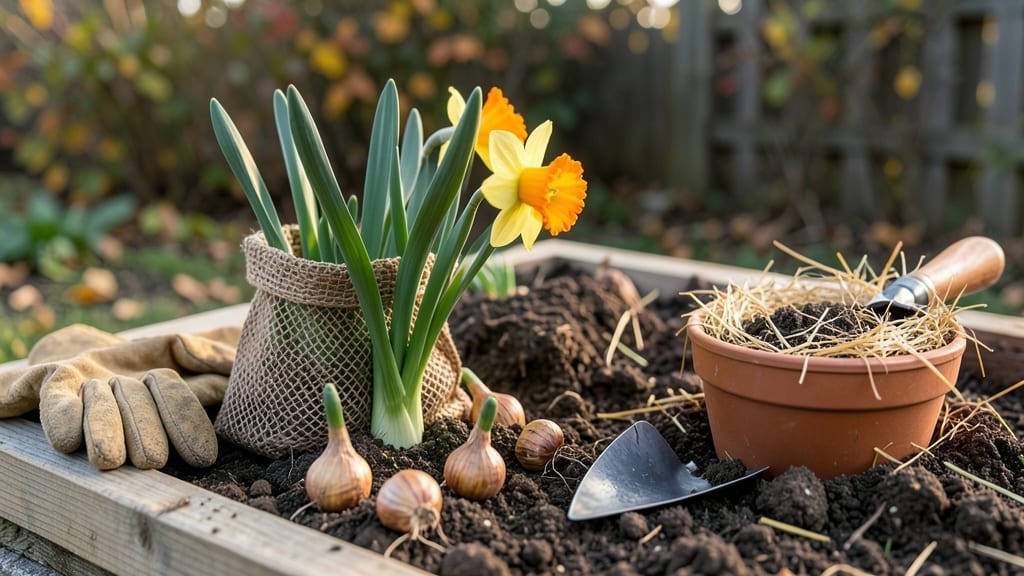
Planting your daffodils at the wrong time in Colorado could mean bulbs rotting in the ground before winter—leaving you with no spring blooms to show for it. The key to success? Timing your 🌼 daffodil planting by elevation, so bulbs root deep enough to survive our unpredictable frost cycles.
If you're in the 5-7 USDA zones of Colorado, fall is your window—but not just any fall. We're talking October to November, with adjustments for high-altitude areas where frost can sneak in earlier.
Get it wrong, and you might end up with sad, wilted bulbs instead of the vibrant spring display you're dreaming of.
I'll walk you through exactly when to plant based on your elevation, how to prep your soil for Colorado's alkaline conditions, and which daffodil varieties thrive best in our climate. No more guessing—just zero-frost success for your garden.
Let's dive into the perfect planting schedule so you can enjoy those cheerful yellow blooms next spring without the winter worries.
Colorado daffodil planting calendar by elevation: exact fall timing for zero-frost risk
Colorado’s diverse elevations—from Denver’s 5,280 feet to mountain regions above 10,000 feet—create wildly different frost timelines. Planting daffodils too early in high-altitude areas risks rot from lingering moisture, while waiting too late in lowlands means bulbs won’t root before first hard frosts.
The key? Align your planting with your local frost dates and elevation zone.
Use the Colorado State University frost forecast or the National Weather Service’s First Frost Map to pinpoint your area’s average first hard frost. Aim to plant daffodils 4–6 weeks before that date—this gives roots time to establish while avoiding winter’s freeze-thaw cycles.
For example, Denver (5,280 ft) typically sees its first frost around October 15, so ideal planting falls in early to mid-September.
Here’s how to adjust timing by elevation:
| Elevation Zone | Average First Frost | Ideal Planting Window | Local Examples |
|---|---|---|---|
| Lowland (3,000–5,000 ft) | Late October–Early November | Mid-September–Early October | Colorado Springs, Pueblo |
| Mid-Elevation (5,000–7,000 ft) | Mid-October–Late October | Early September–Mid-October | Denver, Boulder, Fort Collins |
| Mountain (7,000+ ft) | Early–Mid-October | Late August–Early September | Estes Park, Aspen, Leadville |
For high-altitude gardens, consider planting daffodils in containers or raised beds to control soil temperature. These areas often experience earlier frosts and colder soils, so starting bulbs in late August ensures they’re ready for winter.
In urban Denver or Colorado Springs, where heat islands delay frosts, you can push planting to early October—but monitor weather forecasts closely.
Pro tip: Use frost cloth or straw mulch (3–4 inches thick) to protect newly planted bulbs if an unexpected early frost hits. This adds 2–4 weeks of buffer time for root growth. Avoid plastic mulch, which can trap too much moisture and cause rot in Colorado’s alkaline soils.
If you miss the ideal window, don’t panic! Daffodils can tolerate light frosts once planted, but avoid working the soil when it’s frozen or soggy. In December, focus on watering deeply if snow cover is minimal—this keeps bulbs hydrated until spring.
By March, you’ll see those first bright yellow blooms pushing through snow, proving your timing paid off.
For container gardening in Colorado, plant daffodils in well-draining pots by mid-September at low elevations or early September at high elevations. Use a lightweight potting mix with perlite to prevent compaction, and place containers in protected microclimates (e.g., near south-facing walls) to extend the growing season.
Remember: Daffodils thrive in full sun (6+ hours daily), so choose a spot with unobstructed light. In shady mountain gardens, opt for early-blooming varieties like ‘February Gold’ to maximize sunlight exposure before deciduous trees leaf out.
Pair daffodils with crocuses or snowdrops for a low-maintenance early spring display.
🌼
How to prepare Colorado soil for daffodil bulbs: drainage, soil pH, and frost protection tips
Colorado’s alkaline soils and dry climates demand special prep before planting daffodils. The key? Well-draining soil with a slightly acidic pH (6.0–7.0)—far from the natural 7.5–8.5 pH found statewide. Without adjustments, bulbs rot or fail to thrive.
Start by testing your soil with a home pH kit ($10 at garden centers) or send a sample to your local Cooperative Extension office for free analysis.
For drainage improvement, mix compost (25%) and sand (25%) into your native soil before planting. Daffodils hate soggy roots—amend heavy clay soils with perlite or vermiculite to prevent waterlogging.
In high-altitude gardens (7,000+ ft), add extra compost to compensate for thinner, nutrient-poor soils. Work these amendments into the top 12 inches of soil, where bulb roots will establish.
- Planting too deep: Buried bulbs rot in Colorado’s wet springs. Aim for 6–8 inches deep (2x bulb height).
- Skipping drainage: Heavy clay soils without amendments = bulb suffocation. Test drainage by digging a hole, filling it with water, and timing how long it drains (should take <1 hour).
- Ignoring frost heaves: In mountain regions, mulch with straw (4–6 inches) after planting to prevent bulbs from being pushed out of soil by freeze-thaw cycles.
🌱 Pro Tip: Add a handful of bone meal (10-20-0) at planting for phosphorus—daffodils crave it for root growth.
Adjust your soil pH using elemental sulfur (to lower pH) or wood ash (to raise pH), but test again after 4–6 weeks. For frost protection, plant bulbs in well-drained beds and cover with mulch (straw or leaves) once temps drop below 40°F.
In Denver/Boulder (5,000–7,000 ft), a DIY frost shield (clear plastic dome over new plantings) buys critical weeks for root establishment.
Timing matters too—amend soil 4–6 weeks before planting (late September for lowlands, early October for mountains). This gives microbes time to break down compost and improve texture. Never plant daffodils in fresh manure or overly rich soil—it encourages soft rot and weak stems.
Stick to balanced organic matter and watch your bulbs thrive through Colorado’s freeze-thaw rollercoaster.
For container gardening, use a fast-draining mix (60% potting soil, 20% perlite, 20% compost). Add slow-release fertilizer (14-14-14) at planting, and water deeply every 5–7 days until dormancy. Containers warm faster in spring—plant early (September) to avoid overheating bulbs.
In-ground plantings? Water deeply after planting to settle soil around roots, then let nature take over until spring rains return.
Finally, mark your daffodil beds with stakes or flags—Colorado’s snow cover can obscure plantings. Come spring, you’ll thank yourself when those cheerful blooms push through 30 inches of snow (yes, it happens in the Rockies!).
Mulch removal in early March signals bulbs it’s time to wake up—just don’t rush it if frost is still lurking.